حقایق پارک ملی سرنگتی
صفحه اصلی » حقایق پارک ملی سرنگتی
بررسی اجمالی
مکانهایی روی زمین وجود دارند که فراتر از انتظار وجود دارند. سرنگتی یکی از آنهاست. این منطقه در امتداد ۱۴۷۶۳ کیلومتر مربع از شمال ... تانزانیا، این منطقه یکی از قدیمیترین، پیچیدهترین و غنیترین اکوسیستمهای حیات وحش روی کره زمین است. برای بسیاری از مسافران، رانندگی در دشتهای سرنگتی، قدرتمندترین تجربه حیات وحش زندگیشان است. این راهنما حقایق ضروری، تاریخ قابل توجه، حیات وحش و هر آنچه را که باید قبل از بازدید بدانید، پوشش میدهد.
سرنگتی به چه معناست؟
نام سرنگتی از کلمه ماسایی siringit گرفته شده است که تقریباً به معنای "دشتهای بیپایان" است. این یکی از مناسبترین نامهای مکان در هر کجای جهان است. اکوسیستم بزرگتر سرنگتی که فراتر از مرزهای رسمی پارک ملی امتداد دارد، بیش از 30،000 کیلومتر مربع از ساوانا، بیشهها و جنگلهای رودخانهای را پوشش میدهد که از دشتهای شمالی تانزانیا تا ذخیرهگاه ملی ماسایی مارا در کنیا امتداد دارد.
اکوسیستم بزرگتر سرنگتی شامل خود پارک ملی سرنگتی، منطقه حفاظتشده انگورونگورو، منطقه حفاظتشده شکار ماسوا، مناطق کنترلشده شکار لولیوندو، گرومتی و ایکورونگو و ماسایی مارا آن سوی مرز در کنیا.
سرنگتی چند ساله است؟
سرنگتی یکی از قدیمیترین و از نظر علمی مهمترین اکوسیستمهای روی زمین است. اعتقاد بر این است که الگوهای آب و هوایی، جانوران و گیاهان آن در طول یک میلیون سال گذشته تغییر بسیار کمی داشتهاند. قدم زدن، یا بهتر بگوییم رانندگی، در آن حس واقعی ورود به دنیایی را به همراه دارد که مدتها قبل از ورود انسان برای مشاهده آن وجود داشته است.
مردم ماسایی حدود ۲۰۰ سال قبل از رسیدن اولین کاشفان اروپایی به این منطقه، گاوهای خود را در دشتهای سرنگتی میچراندند. دکتر اسکار باومن، جغرافیدان آلمانی، اولین اروپایی بود که این منطقه را مستند کرد و در سال ۱۸۹۲ وارد آن شد. استوارت ادوارد وایت، کاوشگر بریتانیایی، در سال ۱۹۱۳ به دنبال او رفت و مشاهدات دقیقی از چشمانداز و حیات وحش آن ثبت کرد.
اولین منطقه حفاظتشده جزئی در سال ۱۹۲۱ تأسیس شد که تنها ۸۰۰ هکتار را پوشش میداد. در سال ۱۹۲۹، یک منطقه حفاظتشده کامل ایجاد شد. این مناطق حفاظتشده، پایه و اساس پارک ملی سرنگتی شدند که رسماً در سال ۱۹۵۱ به ثبت رسید. در سال ۱۹۸۱، این منطقه به عنوان میراث جهانی یونسکو تعیین شد که نشاندهنده ارزش جهانی برجسته آن برای علم و بشریت است.
مهاجرت بزرگ: بزرگترین جابجایی حیوانات جهان
هیچ رویداد طبیعی به اندازهی سرنگتی، آن را تعریف نمیکند. مهاجرت بزرگاین بزرگترین جابجایی زمینی حیوانات روی زمین و یکی از بزرگترین مناظر حیات وحش در هر کجای این سیاره است.
هر ساله بیش از ۱.۷ میلیون گاومیش وحشی، ۵۰۰۰۰۰ گورخر و ۲۰۰۰۰۰ بز کوهی در جستجوی چراگاه تازه و آب، مسیری دایرهای را در سراسر اکوسیستم سرنگتی طی میکنند. این سفر در مجموع تقریباً ۸۰۰ کیلومتر را پوشش میدهد که از جنوب سرنگتی در اطراف منطقه ندوتو آغاز میشود و قبل از عبور از رودخانه مارا به ماسایی مارا در کنیا، از طریق مرکز و غرب سرنگتی به سمت شمال حرکت میکند و سپس با تغییر بارندگیها دوباره به جنوب بازمیگردد.
این چرخه به طور جدی از حدود فوریه آغاز میشود، زمانی که تا نیم میلیون بچه گوزن یالدار در دشتهای چمن کوتاه ندوتو در عرض تنها چند هفته به دنیا میآیند. تا ماه مارس، گلههای بزرگ در حال حرکت به سمت شمال هستند. عبور از رودخانه مارا، که بین ژوئیه و اکتبر اتفاق میافتد، مسلماً دراماتیکترین لحظات کل مهاجرت است، زیرا هزاران گوزن یالدار با موجهای آشفته و بینظم به درون آبهای پر از تمساح شیرجه میزنند. تا ژانویه، گلهها به جنوب بازگشتهاند و چرخه دوباره آغاز میشود.
حدود ۲۵۰،۰۰۰ گوزن یالدار در طول هر مهاجرت سالانه جان خود را از دست میدهند، یا توسط شکارچیان گرفته میشوند، یا در رودخانهها غرق میشوند، یا از خستگی و تشنگی تسلیم میشوند. این یک یادآوری صادقانه و بیپرده از مقیاس طبیعت است.
در سال ۲۰۱۳، مهاجرت بزرگ به عنوان یکی از هفت عجایب طبیعی آفریقا شناخته شد و به دیگر جاذبههای گردشگری از جمله کوه کلیمانجارو، دهانه آتشفشانی انگورونگورو و رودخانه نیل پیوست. نکته قابل توجه این است که سه مورد از این هفت عجایب طبیعی در تانزانیا واقع شدهاند.
حیات وحش سرنگتی
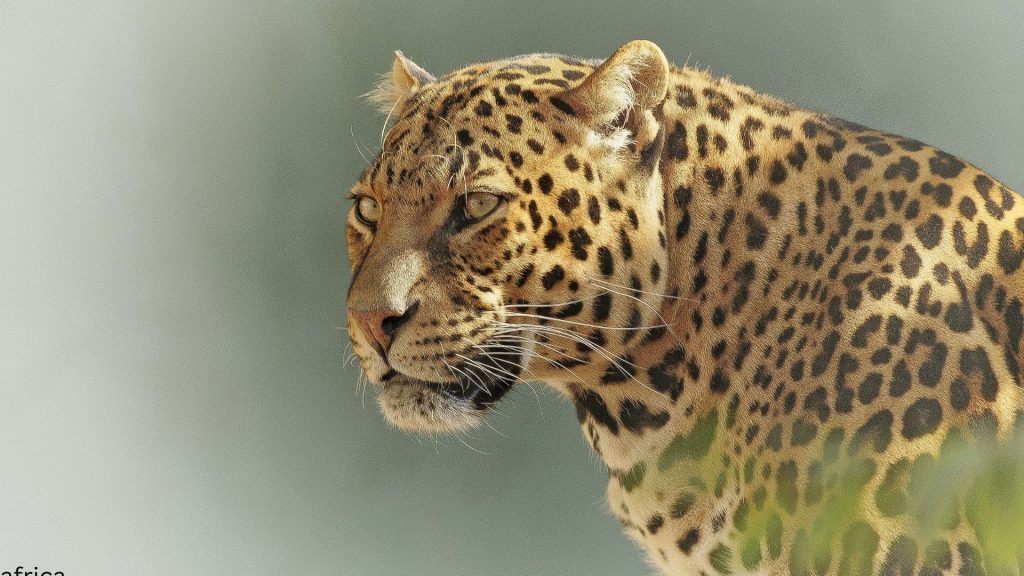
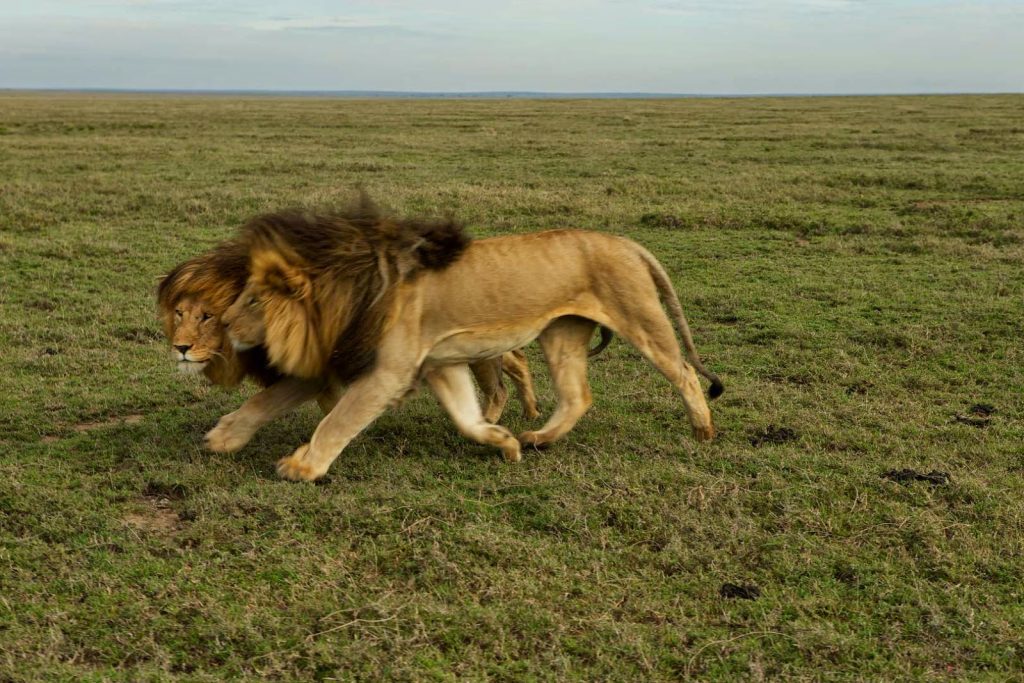
سرنگتی یکی از متنوعترین زیستگاههای پستانداران بزرگ در هر کجای زمین را در خود جای داده است. این پارک با بیش از ۴۰۰۰ شیر، تقریباً ۱۰۰۰ پلنگ و حدود ۵۵۰ یوزپلنگ، به طور گسترده بهترین مکان در شرق آفریقا برای مشاهده شکارچیان در طبیعت محسوب میشود. دشتهای چمنزار باز به این معنی است که دید بسیار عالی است و به ویژه گربهها اغلب در حال شکار، تغذیه یا استراحت در معرض دید کامل وسایل نقلیه شکاری دیده میشوند.
این پارک در مجموع بیش از ۲ میلیون سمدار را در خود جای داده است، از جمله گاومیشهای یالدار، گورخر و بز کوهی مهاجر، و همچنین جمعیتهای ساکن بوفالو، زرافه، فیل، اسب آبی و گونههای متعدد بز کوهی از جمله شاخچنگی، بز کوهی، غزال گرانت و غزال تامسون.
کرگدنها زمانی به تعداد زیاد در سرنگتی یافت میشدند، اما در دهههای پایانی قرن بیستم به دلیل شکار غیرقانونی از بین رفتند. سگهای وحشی آفریقایی، یکی دیگر از گونههای آسیبپذیر، به تعداد کم و رو به کاهش وجود دارند. سایر گونههای پستانداران ساوانای آفریقایی را میتوان در اینجا در جمعیتهای سالم و قابل مشاهده یافت.
سرنگتی همچنین برای تماشای پرندگان استثنایی است، با بیش از ۵۰۰ گونه پرنده ثبت شده از جمله پرندگان شکاری مانند عقاب جنگی، باتلر و پرنده منشی، و همچنین شترمرغها، درنای تاجدار، فلامینگوها در نزدیکی دریاچهها و دهها گونه کوچکتر رنگارنگ.
Kopjes: جزایر راکی سرنگتی
کوپجهها (که به صورت «کپی» تلفظ میشود) که در سراسر جنوب مرکزی سرنگتی پراکنده شدهاند، یکی از متمایزترین ویژگیهای زمینشناسی پارک هستند. این رخنمونهای گنیس و گرانیت باستانی، مانند جزایر سنگی از دشتها بیرون زدهاند و طی میلیونها سال توسط باد و نوسانات شدید دما شکل گرفتهاند. سطوح گرم شده توسط آفتاب، شکافهای پناهگاه و نقاط مرتفع، کوپجهها را به مکانهای استراحت ایدهآلی برای شیرها، پلنگها و یوزپلنگها تبدیل کرده است.
اعتقاد بر این است که یک کوپجه خاص در سرنگتی، که با نام سیمبا کوپجه شناخته میشود، الهامبخش پراید راک در انیمیشن شیرشاه دیزنی بوده است، یک قطعه سرگرمکننده از چیزهای بیاهمیت که همیشه بازدیدکنندگان جوانتر را در سافاری سرگرم میکند.
یادداشتی در مورد حفاظت
سرنگتی با فشارهای مداوم حفاظتی روبرو است. در سال ۲۰۱۰، دولت تانزانیا پیشنهاد ساخت یک بزرگراه تجاری ۵۳ کیلومتری در بخش شمالی پارک را داد. این جاده که قرار بود ارتباط و حمل و نقل در سراسر کشور را بهبود بخشد، پس از مخالفت قابل توجه طرفداران محیط زیست در سراسر جهان، توسط دادگاهها با موفقیت مسدود شد. با این حال، ساخت آن به طور دائم منتفی نشده است و این وضعیت همچنان موضوع نگرانی مداوم کسانی است که برای حفاظت از اکوسیستم تلاش میکنند.
گردشگری مسئولانه، از جمله رزرو با اپراتورهای محلی دارای مجوز، انتخاب اقامتگاههای اخلاقی در داخل و خارج از پارک و احترام به قوانین پارک در طول بازدید، نقش واقعی در حمایت از آینده بلندمدت سرنگتی ایفا میکند.
بهترین زمان برای بازدید از سرنگتی چه زمانی است؟
سرنگتی در هر زمانی از سال به بازدیدکنندگان پاداش میدهد، اما این تجربه به طور قابل توجهی با تغییر فصل تغییر میکند.
فصل خشک از ژوئن تا اکتبر بهترین شرایط مشاهده شکار را به طور کلی ارائه میدهد. پوشش گیاهی پراکنده است، حیوانات در اطراف منابع آب متمرکز میشوند و مشاهده شکارچیان به طور ویژهای رایج است. عبور از رودخانه مارا در طول ماههای ژوئیه، اوت و سپتامبر از جمله چشمگیرترین مناظر حیات وحش روی زمین است.
فصل سبز از نوامبر تا مه، مناظر سرسبز، حیوانات تازه متولد شده و پرندهنگری عالی را به ارمغان میآورد. فوریه یکی از هیجانانگیزترین ماهها برای بازدید است، زیرا فصل زایمان در Ndutu یکی از بزرگترین تمرکزهای فعالیت شکارچیان را در هر کجای آفریقا ایجاد میکند. فصل سبز همچنین معمولاً نرخهای بهتری را ارائه میدهد، وسایل نقلیه کمتری در پارک وجود دارد و فضایی خلوت را ایجاد میکند که فصل اوج گردشگری نمیتواند با آن برابری کند.
با سافاریهای کیوویتو آفریقا از سرنگتی دیدن کنید
کیوویتو سافاری آفریقا این شرکت در آروشا، در دروازه سرنگتی و مدار شمالی مستقر است. تیم کیوویتو صدها مسافر را در دشتهای سرنگتی راهنمایی کرده و این پارک را به گونهای میشناسد که تنها از سالها تجربه در این زمینه ناشی میشود. از انتخاب زمان مناسب برای بازدید و قرار دادن شما در بهترین مناطق برای تاریخ سفرتان گرفته تا دانستن اینکه گلههای مهاجر به کجا میروند و شیرها دیشب روی کدام کوپجه خوابیدهاند، راهنمایان کیوویتو تفاوت بین یک سافاری خوب و یک سافاری فراموشنشدنی را رقم میزنند. برای شروع برنامهریزی ماجراجویی سرنگتی خود با ما تماس بگیرید.