Tanzania Cultural Tours
Home » Tanzania Private Safari » Tanzania Cultural Tours
Tanzania has more than 120 ethnic groups. Some, like the Sukuma, number in the millions. Others, like the Hadzabe, number fewer than 1,500. A “cultural tour” can mean a one hour visit to a Maasai boma where everyone jumps in unison and sells beads at the end, or it can mean two days walking with Hadzabe hunters at dawn before the heat sets in. These are radically different products sold under the same name. We are an Arusha based Tanzanian operator, and we run cultural tours alongside our safari trips because the better versions add something to a trip that wildlife alone cannot. The lesser versions leave most thoughtful travellers feeling worse rather than better.
This article is what we tell clients on the phone when they ask about cultural tours. It covers which communities are worth visiting, what each visit looks like in 2026, the ethical line between an exchange and a performance, and how to add cultural experiences to a safari without falling into the tourist trap version.
The Honest Problem With Tanzania Cultural Tours
Most cultural tour content online sells the experience as universally enriching. The reality is more complex.
The good version. A genuine community based tourism program where the village keeps the majority of fees, the activities are things the community actually does (hunting, herding, cooking, ceremonies), and visitors are guests rather than audience.
The lesser version. A village where a vehicle pulls up for 45 minutes, a dance is performed, beadwork is sold, and the operator pockets most of the fee. The community sees a small share. The traveller leaves with photos but a vague sense the experience was hollow.
The honest line between them. A cultural tour that costs USD 30 to USD 50 per person for an hour with a busload of other tourists is almost always the lesser version. A cultural tour that costs USD 80 to USD 200 per person and runs for half a day or longer with small groups is almost always the better version.
What we will not do. We do not book the drive by Maasai dance shows along the Ngorongoro to Serengeti road. We do not run cultural visits where the community has no say in the schedule. If a client specifically asks for the cheap roadside version, we explain why and offer the alternative.
The Communities Worth Visiting (and Why)
Tanzania’s cultural diversity is real. Five communities host genuine cultural tourism programs that work. Each has a different character.
Maasai
The most visible community to safari travellers because Maasai land overlaps the northern circuit parks. Standard Maasai cultural visits run 2 to 3 hours and include a guided walk through a boma (homestead enclosure), demonstrations of traditional skills, and tea or a meal with the family. The better Maasai visits include a conversation with an elder about age set systems, the role of cattle, and the changes the community has experienced.
Where to do it. Engaruka, Longido, and the cultural villages around Mto wa Mbu offer genuine programs. The roadside Maasai dance shows on the way to Ngorongoro are not the right product for thoughtful travellers.
What it costs. USD 50 to USD 120 per person for a half day visit including community fees and a small contribution to the village fund.
Honest admission. Maasai cultural visits carry the highest risk of feeling staged. We pick villages where the Maasai community runs the program themselves and tourists are infrequent enough that the experience still feels real.
Hadzabe
The Hadzabe live near Lake Eyasi (a 2 hour drive from Karatu) and remain one of the last hunter gatherer communities in the world. A morning visit starts before dawn; you walk with hunters using bows and arrows, watch them collect honey and tubers, and share fire roasted meat back at the camp.
Where to do it. Lake Eyasi area, specifically Mongo wa Mono and surrounding settlements, run through a community based program.
What it costs. USD 100 to USD 180 per person for a half day. A full overnight stay is possible at some camps for USD 300 to USD 500 per person.
Honest admission. The Hadzabe experience is genuinely uncomfortable for some travellers in ways the photos do not show. The hunting is real; you may see an animal killed. The pace is set by the hunters, not by you. The travellers who go in with the right mindset (guests, not tourists) describe it as the most memorable day of their trip.
Datoga
Often visited on the same day as the Hadzabe because they live in the same Lake Eyasi region. The Datoga are pastoralists with a strong blacksmithing tradition. A visit typically includes the blacksmith demonstration (they make the metal arrowheads the Hadzabe still use for hunting), a tour of the homestead, and conversations with women about household life and beadwork.
Where to do it. Lake Eyasi area, often combined with the Hadzabe morning visit.
What it costs. USD 30 to USD 60 per person as an add on to the Hadzabe day, or USD 50 to USD 80 per person standalone.
Honest tradeoff. The combined Hadzabe and Datoga day is intense. Some travellers want both; others prefer to focus on one community properly. We let clients decide.
Iraqw
The Iraqw are Cushitic agriculturalists who descended from Ethiopia centuries ago and now farm the highlands south of Karatu. Less well known than the Maasai or Hadzabe, which makes the cultural tour considerably less performative. A visit typically includes a farm tour, traditional cooking, and conversations about how Iraqw farming practices have adapted to the highland soil.
Where to do it. Karatu area, accessed as a half day from any northern circuit lodge.
What it costs. USD 40 to USD 80 per person for a half day.
Honest admission. The Iraqw cultural visit is the one our team most often quietly recommends to thoughtful travellers. Less famous, less photographed, more genuine.
Chagga
The Chagga live on the slopes of Mount Kilimanjaro and run sophisticated agriculture (banana, coffee, vegetables) on the volcanic soil. Cultural visits include a coffee farm tour, traditional Chagga cooking with banana based dishes, and visits to the Chagga underground caves where the community historically hid from Maasai raids. Our Chagga people page covers more on the community.
Where to do it. Marangu, Materuni, and Lemosho area villages on the Kilimanjaro slopes. Often paired with a waterfall visit.
What it costs. USD 50 to USD 100 per person for a half day including coffee tour and meal.
Honest admission. Best for travellers staying near Moshi before or after a Kilimanjaro climb. For travellers based on the safari circuit, the Chagga experience is harder to fit in geographically and is usually skipped in favour of Maasai or Iraqw visits.
How Cultural Tours Fit Into a Safari Itinerary
The practical question most travellers actually have.
As a half day add on. The most common shape. A morning game drive in Tarangire or Lake Manyara, a half day cultural visit in the afternoon, return to lodge for dinner. Adds USD 50 to USD 180 per person to the trip cost. We add this to most safari itineraries that pass through Mto wa Mbu, Karatu, or Lake Eyasi.
As a dedicated day. A full day spent on cultural tourism rather than wildlife. Most often this is the Hadzabe and Datoga combined day, which genuinely needs a full day to do properly. Adds USD 200 to USD 350 per person.
As an overnight stay. Available at some Maasai community camps and some Hadzabe community camps. The Maasai overnight option (camping inside a boma) costs roughly USD 250 to USD 400 per person. The Hadzabe overnight option is more demanding and we only recommend it for travellers we have already filtered through a half day visit.
As a city tour add on. Arusha cultural and historical tours (the cultural heritage centre, Arusha Declaration Museum, local markets, coffee plantations) work as a half day before or after the safari portion. Adds USD 40 to USD 80 per person.
Realistic Cultural Tour Itineraries
Some specific shapes we run.
4 Day Cultural Plus Safari Combination
Day one Tarangire game drive, day two Lake Manyara morning plus Mto wa Mbu cultural visit afternoon, day three Lake Eyasi Hadzabe and Datoga full day, day four Ngorongoro Crater. Less wildlife than a pure 4 day safari, much more cultural depth. Cost per person sharing in 2026: USD 1,650 to USD 2,200 mid range.
3 Day Hadzabe and Lake Eyasi Focus
Day one transfer Arusha to Lake Eyasi (about 5 hours via Karatu), Datoga afternoon visit, day two Hadzabe morning hunt and afternoon community time, day three return to Arusha via Karatu Iraqw cultural visit. For travellers whose primary interest is cultural rather than wildlife. Cost per person sharing: USD 1,200 to USD 1,650 mid range.
1 Day Cultural Add On to Standard Safari
Half day Maasai or Iraqw cultural visit added to any northern circuit safari. Most popular shape. Adds USD 50 to USD 180 per person to whatever the base safari costs.
Combined Cultural and Honeymoon Add On
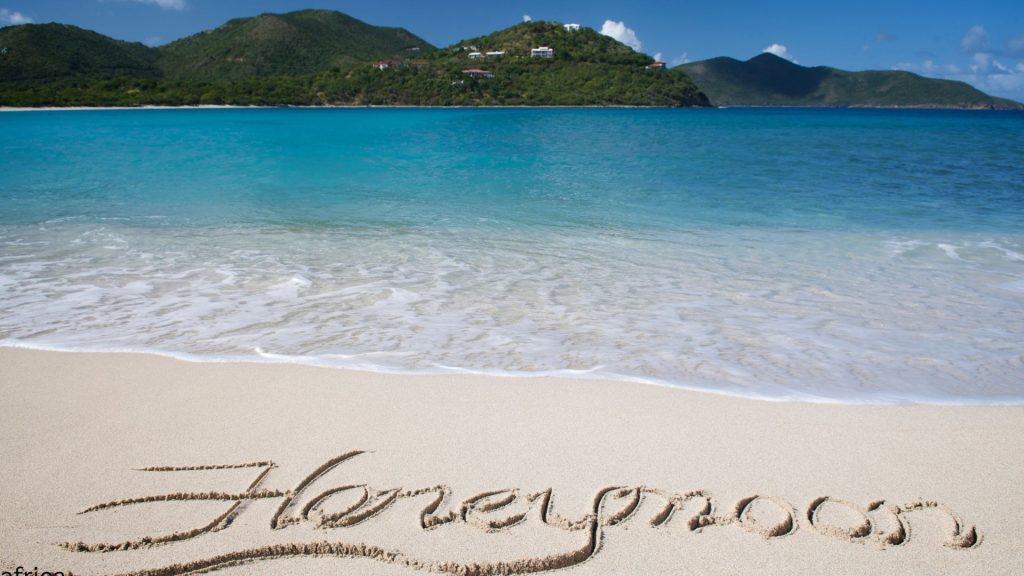
Cultural visits can layer onto our Tanzania honeymoon safari packages for couples who want depth beyond wildlife. The Iraqw farm visit and Chagga coffee experience both work particularly well for honeymooners.
How to Decide: Is a Cultural Tour Right for Your Trip
Honest filter we use on the phone.
Cultural tours work for travellers genuinely curious about how other communities live. The exchange goes both ways. The community is curious about you. If you are not interested in genuinely engaging, the visit will feel hollow.
Cultural tours work for travellers with at least 5 days in Tanzania. Less than that and the safari side of the trip is too compressed.
Cultural tours work for older or experienced travellers more than for first time safari clients on a tight schedule. First time clients are often wildlife focused and feel cultural visits eat into game drive time.
Cultural tours do not work if you cannot accept slow pace. Hadzabe time is not Western time. Maasai conversations meander. The traveller who wants efficiency will be frustrated.
Cultural tours do not work for travellers uncomfortable with poverty. Many cultural tour communities are poor by Western standards. The poverty is real and visible.
Why Travel With Kiwoito Africa Safaris
We are a TATO member operator (Tanzania Association of Tour Operators), licensed by the Tanzania Tourist Board and accredited by TANAPA. Our office is on Fire Road in Arusha, with 200+ verified five star reviews on Tripadvisor and listings on Trustpilot, Safaribookings, and Petit Futé.
Our founder, Charles Moses, has worked in Tanzania tourism for more than 15 years, starting as a porter and progressing through guiding to operations. Our lead northern circuit guide Abuu has guided the Serengeti for over a decade. Our team speaks English, French, Spanish, Italian, and German.
Our fleet is Toyota Land Cruiser 4x4s with pop up roof, guide hatch, three row seating with one window per guest, charging ports, drinks fridge, and air intake snorkel. We do not run vehicles older than five years.
What we cover beyond cultural tours: Tanzania mid range safaris, Tanzania luxury safaris, Mount Kilimanjaro climbs through our trekking operation, and Zanzibar Island beach holidays.