Best Tanzania Safari Itinerary
Home » Best Tanzania Safari Itinerary
Planning the best Tanzania safari itinerary requires careful coordination of wildlife movements, travel distances, park combinations, seasonal timing, and accommodation standards. Tanzania offers a rare opportunity to witness the Great Migration, see the Big Five, explore volcanic landscapes, and experience authentic culture within one journey. With over one million visitors each year, most focusing on the Northern Circuit, proper planning is essential because parks such as Serengeti National Park, covering about 14,750 square kilometers, and the Ngorongoro Conservation Area, spanning roughly 8,292 square kilometers, are vast. A well-structured itinerary maximizes wildlife viewing, reduces unnecessary driving time, and ensures a smooth, rewarding safari experience.
The best flow of a Tanzania safari itinerary
The itinerary usually starts in Arusha, the gateway to northern Tanzania’s safari circuit. From here, the first destination is Tarangire National Park, about a two-hour drive away. Tarangire is renowned for its large elephant herds and majestic baobab trees. Wildlife tends to concentrate around the Tarangire River during the dry season (June – October), making this an excellent introduction to Tanzania’s rich fauna.
Next, the route moves to Lake Manyara National Park, which is closer and adds diversity to the safari experience. Lake Manyara is famous for tree-climbing lions, flocks of flamingos, baboons, and a dense forested ecosystem. A short game drive here highlights contrasting habitats compared to the open savannahs of Tarangire.
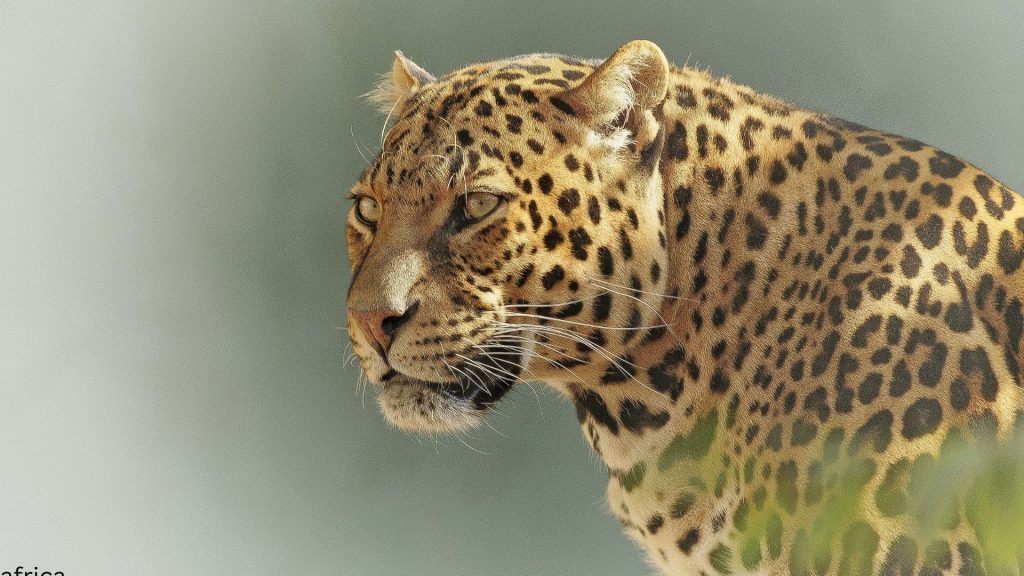
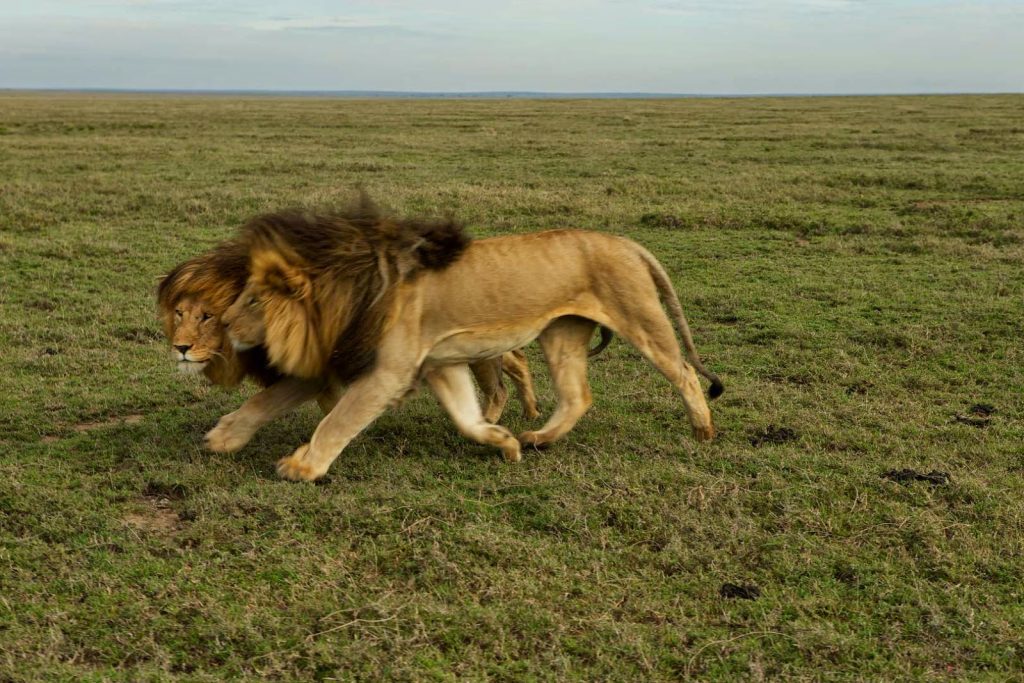
The itinerary then transitions to Serengeti National Park, typically entering through the central Seronera region. This area provides year-round big cat sightings including lions, leopards, and cheetahs, as well as large herds of herbivores. Depending on the season, the safari may move north or south to track the Great Migration. From July to October, river crossings in the Northern Serengeti are the highlight, while from December to March, the Southern plains (Ndutu area) are key for observing the calving season of wildebeest.
Following Serengeti, the journey continues to Ngorongoro Conservation Area. The crater rim offers panoramic views, and descending into the Ngorongoro Crater provides one of Africa’s densest concentrations of wildlife. With roughly 25,000 large animals, including the Big Five, a single day here can yield an exceptionally high wildlife encounter rate. Ending the safari here provides a climactic conclusion.
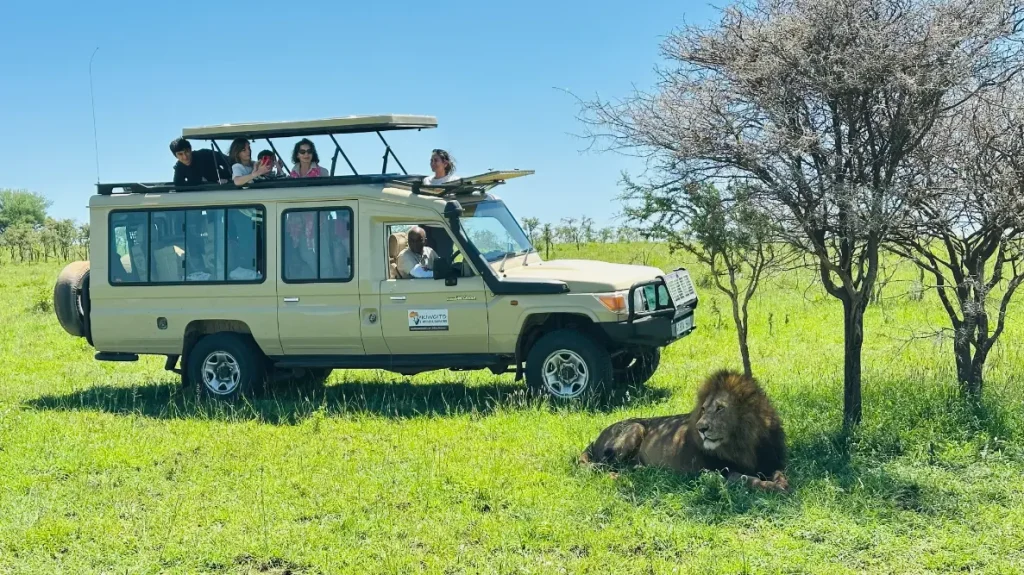
The classic 7-day northern circuit route looks like this:
Day 1: Arusha → Tarangire National Park
Day 2: Tarangire → Lake Manyara National Park
Days 3–4: Serengeti National Park (Central/Seronera)
Day 5: Northern or Southern Serengeti (seasonal migration focus)
Day 6: Travel to Ngorongoro Conservation Area, stay at crater rim lodge
Day 7: Ngorongoro Crater game drive → return to Arusha
This route combines savannah plains, crater landscapes, river ecosystems, and optional cultural experiences, such as a Maasai village visit. It balances driving distances, maximizes wildlife sightings, and ensures travelers experience the full biodiversity and seasonal highlights of northern Tanzania.
Differences in Tanzania safari itinerary packages
Tanzania safari itinerary packages are different mainly because of the number of days and how many parks are included. Most safaris range from three to fourteen days. Travel statistics show that seven to ten days give the best balance between adventure and comfort. If the trip is less than five days, it usually feels rushed and you may not explore many parks like Serengeti National Park, Ngorongoro Crater, or Tarangire National Park. When the safari is more than ten days, travelers enjoy a slower experience with more game drives and sometimes add a beach extension to Zanzibar for relaxation.
Another difference in Tanzania safari itinerary packages is the driving distance and route planning. Inside the parks, daily game drives usually cover between 50 and 150 kilometers depending on where animals are found and where the lodge is located. Transfers between parks can take two to five hours by road. A well planned itinerary avoids long backtracking and reduces travel fatigue by placing lodges in good strategic locations. This makes the safari more comfortable and allows more time to enjoy wildlife instead of spending many hours on the road.
Experience the best Tanzania safari itinerary
The dry season from June to October offers excellent wildlife visibility because vegetation is shorter and animals gather near water sources. This period also has cooler temperatures and stable road conditions.
The green season from November to May offers fewer crowds, lush scenery, and lower accommodation rates. January to March is particularly attractive for photographers due to calving season in the southern Serengeti. Each season has its own strengths, and the best Tanzania safari itinerary adapts accordingly.
Frequent asked questions
What is the best 7–10 day Northern Circuit route?
A typical 7–10 day Northern Circuit itinerary begins in Arusha, then moves to Tarangire National Park on day two to see elephants and baobabs. Day three can include Lake Manyara National Park or a cultural experience with local tribes such as the Hadzabe or Datoga. Days four to six are spent in central or northern Serengeti National Park, focusing on wildlife viewing and migration tracking. Day seven is dedicated to Ngorongoro Crater, known for its dense wildlife and Big Five sightings. Days eight to ten are reserved for returning to Arusha or flying to Zanzibar for a beach extension.
When is the best time to visit Tanzania?
The dry season from June to October is the best for wildlife viewing as animals gather around water sources. For seeing the Great Migration in the Northern Serengeti, July to September is ideal. The calving season in the Southern Serengeti occurs between January and February, which is the best time to observe newborn wildebeest and predator activity.
What is the "Big Five" and where can I see them?
The Big Five refers to lion, leopard, rhinoceros, elephant, and buffalo. They are most reliably spotted in Ngorongoro Crater and Serengeti National Park due to the high wildlife density and diversity in these areas.
How much does a 7–10 day safari cost?
Costs vary depending on accommodation and transport. A mid-range 7–10 day safari typically ranges from $2,500 to $4,000+ per person. Lodges or tented camps and whether you choose driving or flying between parks are the biggest factors affecting price.
What should I pack for the safari?
Pack lightweight, neutral-colored clothing in shades of tan, green, or khaki to blend with nature. Avoid dark blue or black in certain areas to reduce the risk of tsetse fly bites. Bring layers as mornings in the Ngorongoro Crater can be chilly, and include comfortable shoes, a hat, sunscreen, binoculars, and a camera.
What are the visa and health requirements?
Most visitors require a visa to enter Tanzania, which can often be obtained online or on arrival. Yellow fever vaccination is mandatory if arriving from a country with risk, and antimalarial medication is strongly recommended.
What are key considerations for safari planning
For first-time travelers, the Northern Circuit (Serengeti, Ngorongoro, Tarangire, Lake Manyara) is recommended for its accessibility and diversity. The Southern Circuit (Ruaha, Nyerere/Selous) is more remote and suitable for those seeking a quieter, off the beaten path experience. Flying between parks saves time, while driving allows a more immersive experience of the landscapes and local scenery.