Kakamega Forest National Reserve
Home » Kakamega Forest National Reserve
Kakamega Forest National Reserve is one of the tourist attractions of Kenya with over 380 recorded species of plants, Kakamega Forest National Reserve is in Kakamega county in Kenya about 350 km road distance from Nairobi. It covers an area of 44.7 km² of a protected area under the Kenya Wildlife Service. It is Kenya’s only remnant of a rainforest that stretches to central Africa. The forest lies in the Lake Victoria catchment, about 40 km north of Kisumu, and just east of the Nandi Escarpment that forms the edge of the central highlands. It is in the watershed of the Isiukhu and Yala rivers, which flow through the forest before emptying into Lake Victoria.
The forest including reserves covers about 238 square kilometres, a little less than half of which currently remains as indigenous forest. In the north of the forest is the 4,468 hectares 45 km2 Kakamega National Reserve, given national forest reserve status in 1985. Just to the north is the Kisere Forest Reserve. Kakamega forest was first gazetted as Trust Forest in 1933, and two small Nature Reserves, Yala and Isecheno totaling about 700 hectares were established within the Forest Reserve in 1967. Some streams and small creeks run through the reserve. The larger creeks are usually bordered by a few to tens of meters of forest on either side which divide the glades, while the smallest creeks flow through open grasslands, often forming small marshy patches.
This beautiful forest is home to various mammals including bush pigs, giant forest hedgehogs, a large population of black and white colobus monkeys, Debrazzar monkeys, and pottos. Some of the birds to be seen here include the Blue Headed Bee Eater, Black Billed Turaco, Turner’s Eremomela, and Grey Parrots.
This beautiful forest is home to various mammals including bush pigs, giant forest hedgehogs, a large population of black and white colobus monkeys, Debrazzar monkeys, and pottos. Some of the birds to be seen here include the Blue Headed Bee Eater, Black Billed Turaco, Turner’s Eremomela, and Grey Parrots.
Attractions of Kakamega Forest National Reserve
Kakamega Forest National Reserve is one of Kenya’s tourist attractions. There are 380 recorded species of plants, including 60 species of ferns, 150 species of trees and shrubs, and 170 species of flowering plants, including 60 species of orchids, 9 of which are found only in this forest.
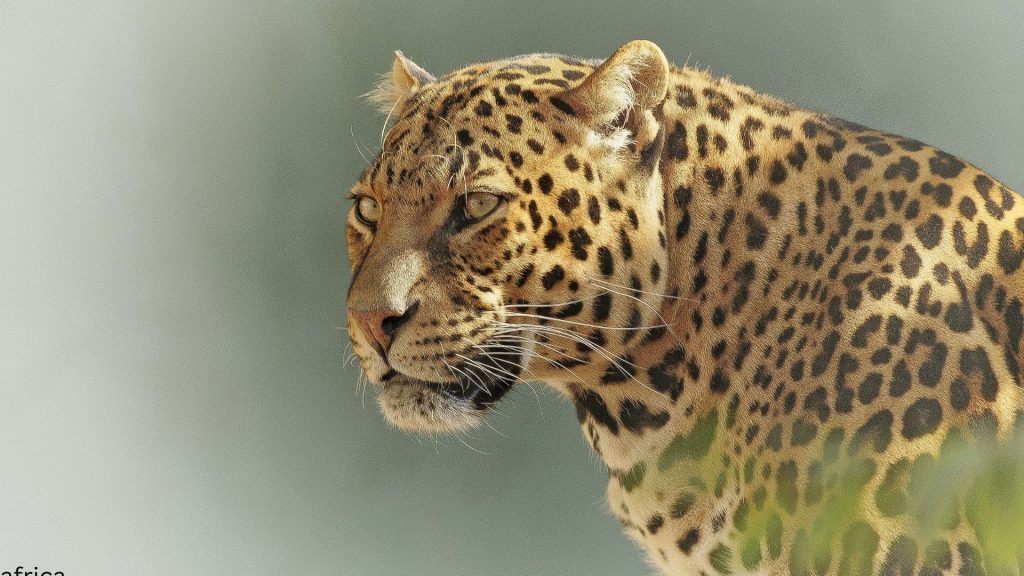
The forest is famous for its birds, 367 bird species have been recorded in the forest such as the West African Great blue turaco and black-and-white-casqued hornbill. These 9 birds cannot be found anywhere else. Mammals that are found in the park include bush pig, duikers, bushbuck, African clawless otter, mongoose, giant African water shrew, squirrels, t pangolin, porcupine, bats, and a variety of primates including the blue monkey, redtail monkey, De Brazza’s monkey, baboon, potto and the occasional vervet monkey. Leopards have been occasionally reported, but the last official sighting was in 1991.
Insects are abundant and some are quite spectacular, such as Goliath beetles, pink and green flower mantis, and numerous colorful butterflies (489 species). Particularly well-represented groups are ants (Formicidae), Lepidopterans, Orthopterans, and beetles. Gastropods, millipedes, and spiders are also common. Amphibians and reptiles are also found in Kakamega forest.
In the southern part of the forest, Isecheno Forest station, run by the Kenya Forest Service, is the most visited tourist site. There is the well-known Mama Mtere tree, a historic tree, and the most photographed tree in the Kakamega forest. There are also strangler fig trees.
There are hiking trails in the forest that allow for forest walking, camping, hiking, primate watching, bird and butterfly watching, game watching, and village walks. The Kakamega Rainforest Tour Guides (KRFTG) can arrange tours to visit the famous historical site in Kenya the weeping stone (Crying stone) at Ilesi, located along the Kakamega-Kisumu road, or Kisere Forest to see the De-brazes monkey in the north of Kakamega.
Best time to visit:
The periods to visit is when it rains less (December to February and June to July) are the best times to visit Kakamega Forest National Reserve It’s breeding season for the local birds around the middle of the year, and in August a lot of color is added by emerging butterflies. Hikes are a lot more enjoyable in the Dry season (December to February).
Operating Hours:
The reserve is open from 08:00hrs. to 18:00hrs.
How to Get There
By road – The shortest route from Nairobi (418 km) is via Nakuru and Kapsabet. Take the A104 road as far as Timboroa and continue for another 4 km until you see a left turn which takes you to the C36 road to Kapsabet from there take the C39 road until it joins the Kisumu – Kakamega road. From Eldore,t the shortest route is via the C39 road to Kapsabet.
By air – There are now scheduled flights to Kakamega and visitors can also fly to Kisumu or Eldoret and travel by road to Kakamega.
Activities to do and see
Birdwatching
The Kenya Forest Service offers birdwatching tours starting at 06:30hrs. and 16:30hrs. for a duration of 2 hours. Take this opportunity to enjoy the incredible array of avian life for which Kakamega is known.
Mama Mutere
Is the name given by the locals to this largest and oldest tree in Kakamega? It is 40m (131 ft.) high and about 250 years old. Its bark has been used in traditional medicine for stomach and other ailments.
Hiking
Kenya’s only rainforest has a big, beautiful forest with many hiking trails, viewpoints, and waterfalls giving it wonderful scenery.
Sundowner
This is an organized sunset viewing as well from Lirhanda hill that lasts 3 hours between 15:00hrs and 17:00hrs.
Buyangu Hill
It’s a 4km drive or walk from the park entrance to Buyangu Hill, from where there are uninterrupted views east to the Nandi Escarpment.
Cultural Evening with the Luhya Tribe
There’s an opportunity to interact and learn about these Luhya people. Enjoy their dance performances, their storytelling traditions, and their legends.
Night-time Excursion
There are nighttime excursions organized by the Kenya Wildlife Service. A 2-hour nighttime Kenya safari will bring you up close to the nocturnal creatures and sounds of the reserve.
Park Entry fee
Adult Child
Citizen kshs 300 kshs 215
Residents kshs 300 kshs 215
Non residents 25USD 15 USD
Accommodation available at Kakamega forest
There are several options to choose from when it comes to accommodation in Kakamega Forest Reserve. Choices range from self-catering chalets and lodges to rustic campsites some of them include: Isukuti Guesthouse, Udo Guesthouse, Udo Campsite, Golf Hotel Kakamega, pinecone Hotel, Best Western Hotel Kisumu, and many more