Kilimanjaro climbing with Portuguese speaking guide
Home » Kilimanjaro climbing with Portuguese speaking guide
Introduction
Climbing Mount Kilimanjaro is one of Africa’s most rewarding adventures. Many travelers from Portuguese-speaking countries prefer trekking with a Portuguese speaking guide because instructions, safety advice, and daily plans are easy to follow. You stay informed and confident throughout the climb.
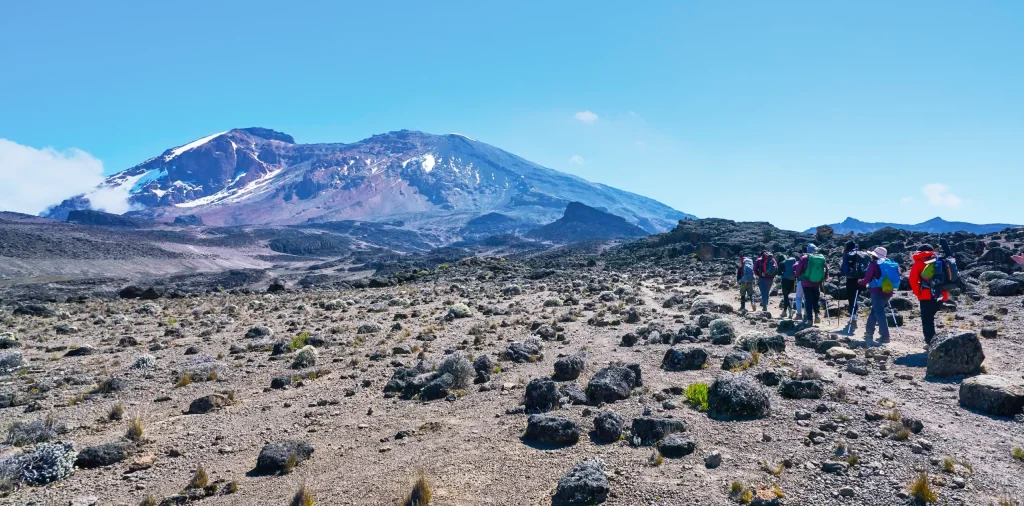
Kilimanjaro climbing with a Portuguese speaking guide suits solo travelers, couples, and small groups who want personal support. You pass through rainforest, moorland, alpine desert, and reach Africa’s highest point. Each day offers new landscapes and changing weather.
Why Climb Kilimanjaro with a Portuguese Speaking Guide
A Portuguese speaking guide ensures that briefings, instructions, and safety advice are clear. You understand altitude adjustments, route choices, and weather updates. This improves comfort, confidence, and safety on the climb.
Speaking your own language makes it easier to ask questions about equipment, health, and pacing. Guides can respond immediately and adjust plans if needed. Clear communication reduces stress and enhances your experience.
Portuguese speaking guides work together with experienced local mountain guides. This team approach ensures a smooth, well-organized climb with attention to safety and efficiency.
Best Routes for Portuguese Speaking Climbers
The Machame Route offers varied landscapes and good altitude adjustment. You pass through forest, valleys, and rocky slopes before reaching the summit.
The Lemosho Route offers quieter trails and gradual climbing. It is ideal for better acclimatization and higher summit success.
The Marangu Route uses huts instead of tents. It suits climbers who prefer simple shelter rather than camping.
Our local guides help you select the right route based on your fitness and available days.
Best Time for Kilimanjaro Climbing
Kilimanjaro can be climbed year-round, but dry months provide better conditions. Clear skies improve visibility and trails are easier to walk.
January to March offers cooler temperatures and fewer climbers. The mountain feels quiet and peaceful.
June to October provides stable weather and dry trails. Many trekkers choose these months for reliable conditions.
Our guides monitor mountain weather and adjust daily pace for safety.
What to Expect on the Mountain
Each day starts with breakfast before trekking. You walk slowly to adjust to altitude. Guides check your condition and maintain a safe pace.
Porters carry tents, food, and equipment. You carry a small daypack with water and personal items. Fresh meals are prepared daily by the cook.
Summit night starts before midnight. You climb to Stella Point and then Uhuru Peak, enjoying sunrise from Africa’s highest point. After the summit, you descend to lower camps where breathing is easier.
Kilimanjaro climbing with Portuguese speaking guide
Day 1: Arusha to Machame Gate to Machame Camp Drive from Arusha to Machame Gate for registration. Begin trekking through rainforest to Machame Camp with shaded trails and wildlife along the way.
Day 2: Machame Camp to Shira Camp Climb out of the forest into open moorland. Gain altitude gradually with wide views of Kilimanjaro and surrounding valleys. Arrive at Shira Camp on the Shira Plateau.
Day 3: Shira Camp to Lava Tower to Barranco Camp Trek toward Lava Tower at high altitude, then descend to Barranco Camp. This helps your body adjust to altitude before higher camps.
Day 4: Barranco Camp to Karanga Camp Climb Barranco Wall and continue across ridges and valleys to Karanga Camp. Enjoy scenic views and steady altitude gain.
Day 5: Karanga Camp to Barafu Camp Climb through alpine desert terrain toward Barafu Camp. Temperatures drop and air becomes thinner as you approach summit altitude.
Day 6: Barafu Camp to Stella Point to Uhuru Peak to Mweka Camp Start before midnight, climb to Stella Point and continue to Uhuru Peak. After sunrise at the summit, descend to Barafu Camp and continue to Mweka Camp.
Day 7: Mweka Camp to Mweka Gate to Arusha Descend through rainforest to Mweka Gate. Complete registration and return to Arusha.
Things to Consider
Physical preparation improves your experience. Walking and endurance training before the trek help your performance.
Warm clothing is essential near the summit. Layered clothing and strong hiking boots protect against cold and wind.
Altitude affects each climber differently. Longer treks allow better acclimatization and higher summit success.
Travel insurance should include high altitude trekking. Early booking ensures a Portuguese speaking guide is available.
Why Choose Kiwoito Africa Safaris
Kiwoito Africa Safaris is a local company based in Arusha near Kilimanjaro. We organize personalized climbs with experienced local guides who know the mountain well.
Our focus is safety and personal service. Each climb is planned for your fitness and schedule. Guides monitor your progress and adjust the pace to ensure comfort.
We follow responsible trekking practices and work closely with mountain crews. Many climbers choose us for direct communication with a local team that understands Kilimanjaro.
Frequently asked questions
Yes, private Portuguese speaking guides are available. Early booking ensures availability, especially during peak months.
Yes, private Portuguese speaking guides are available. Early booking ensures availability, especially during peak months.
Do I need climbing experience to climb Kilimanjaro?
No technical climbing experience is required. Good fitness and preparation help improve success.
How many days are recommended for Kilimanjaro climbing?
Seven to eight days are recommended to allow proper altitude adjustment and increase summit success.
How difficult is Kilimanjaro climbing?
Kilimanjaro is a high altitude trek. The main challenge comes from altitude and long walking days rather than technical climbing.
What should I carry during the trek?
Carry a small backpack with water, snacks, and personal items. Porters carry tents, food, and main equipment.
When should I book a Portuguese speaking guide?
Booking several months in advance improves guide availability and ensures your preferred travel dates.