Kiwoito Africa Safaris

trip advisor reviews

★ 5.0 | 200+ reviews

google reviews

★ 4.9 | 100+ reviews

★ 5.0 | 200+ reviews

Kilimanjaro Trekking with Arabic Speaking Guide

Home » Kilimanjaro Trekking with Arabic Speaking Guide
Kilimanjaro trekking with Arabic speaking guide provides Arabic speaking climbers a seamless, culturally familiar, and safe high-altitude experience. Mount Kilimanjaro, standing at 5,895 meters, is Africa’s tallest mountain and one of the world’s most visited trekking destinations. Each year, thousands attempt to reach Uhuru Peak, with success rates varying widely based on route choice, itinerary length, and climber preparation.
 
For Arabic speaking travelers from countries such as Saudi Arabia, United Arab Emirates, Egypt, and Morocco, communication with guides in their native language greatly enhances comfort and understanding. Clear explanations about acclimatization, daily pacing, health monitoring, and safety protocols help climbers manage both physical and mental challenges on the mountain.
Kilimanjaro trekking with Arabic speaking guide ensures that critical instructions during summit night, route briefings, and high-altitude strategies are fully understood. This clarity reduces stress, fosters confidence, and supports a successful climbing experience.
 

Kilimanjaro Trekking Insights

According to Tanzania National Parks Authority, approximately 35,000 to 50,000 climbers attempt Kilimanjaro each year. Summit success depends largely on the route taken and the pace of ascent. Short itineraries of five to six days often have lower success rates of 50 to 60 percent due to insufficient acclimatization, while longer seven to eight day routes such as Lemosho or Machame often achieve 80 to 90 percent success.
Altitude sickness is the primary challenge, affecting both beginners and experienced hikers. Scientific studies in high-altitude physiology confirm that gradual ascent significantly reduces the risk of severe symptoms. With a certified Arabic speaking guide, climbers can communicate early signs of altitude sickness, such as headaches, dizziness, or nausea, in their native language, ensuring timely intervention and proper adjustments to pace and rest periods.
 

Discover Kilimanjaro trekking routes

Kilimanjaro offers multiple trekking routes including Lemosho, Machame, Marangu, Rongai, and Northern Circuit. Each route crosses unique ecological zones, from dense rainforest to moorland, alpine desert, and icy summit conditions.
With Kilimanjaro trekking with Arabic speaking guide, climbers gain deep insight into these environments. For example, guides can explain the origin of the Shira Plateau, formed by volcanic activity millions of years ago, in a way that connects with cultural and linguistic understanding. Observing rare flora and fauna becomes a shared educational experience.
Summit night is a critical moment that requires focus, stamina, and clear communication. Arabic speaking guides provide step-by-step guidance, ensuring that climbers maintain proper pacing and understand each stage of the ascent. This personalized support makes challenging sections manageable and reduces anxiety caused by altitude or fatigue.
kilimanjaro trekking with arabic speaking-guide
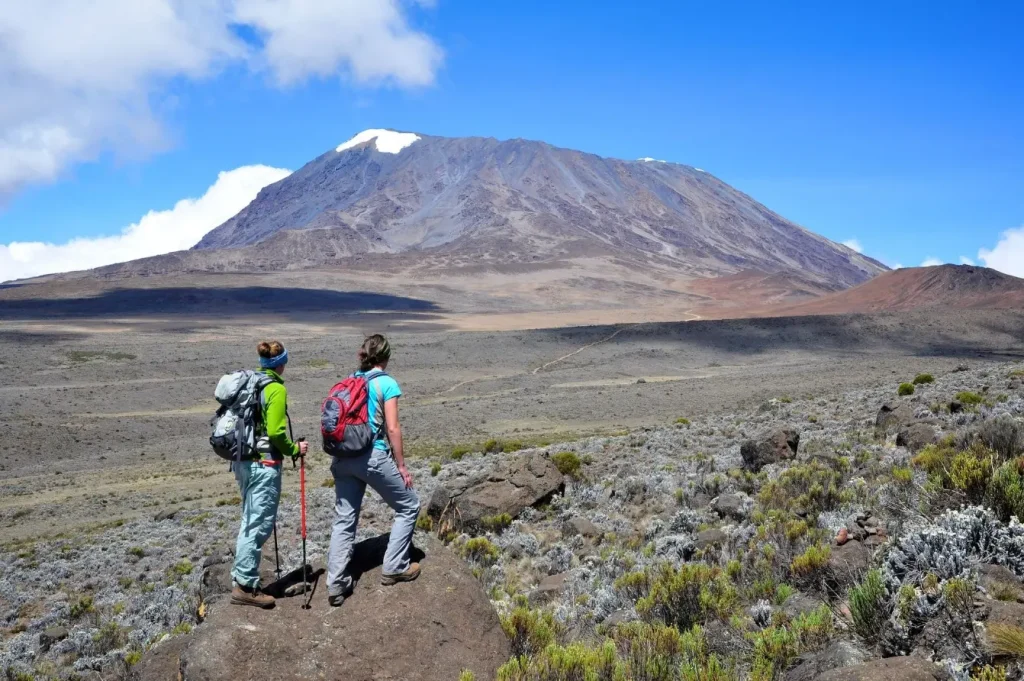
A short break on the Mount Kilimanjaro trail as trekkers regain strength before continuing to the summit.

Best Time for Kilimanjaro Trekking

The optimal periods for climbing Kilimanjaro are during the dry seasons from January to March and June to October. These months offer clearer skies, lower precipitation, and safer trail conditions. January to March features quieter trails and occasional snow near the summit, creating remarkable views. June to October offers stable weather, excellent visibility, and slightly warmer daytime temperatures.
Rainy seasons from March to May and November bring wet trails and limited visibility. Arabic speaking travelers often prefer to schedule climbs during European or Gulf vacation periods such as July and August, so early booking is recommended to secure certified Arabic speaking guides.
 

Safety Standards and Professional Guide Certification

Kilimanjaro National Park regulations require all climbers to be accompanied by licensed guides. Professional guides are trained in high-altitude safety, first aid, emergency evacuation, and altitude acclimatization strategies.
Choosing Kilimanjaro trekking with Arabic speaking guide ensures that language is not a barrier to safety. Certified guides communicate critical information about terrain, weather conditions, and health monitoring directly in Arabic, improving awareness and climber confidence.
Ethical treatment of mountain porters is also essential. Organizations such as the Kilimanjaro Porters Assistance Project (KPAP) enforce fair wages, proper equipment, and safe working conditions. Reputable operators align with these standards to maintain responsible tourism practices.
kilimanjaro trekking with Arabic speaking guide
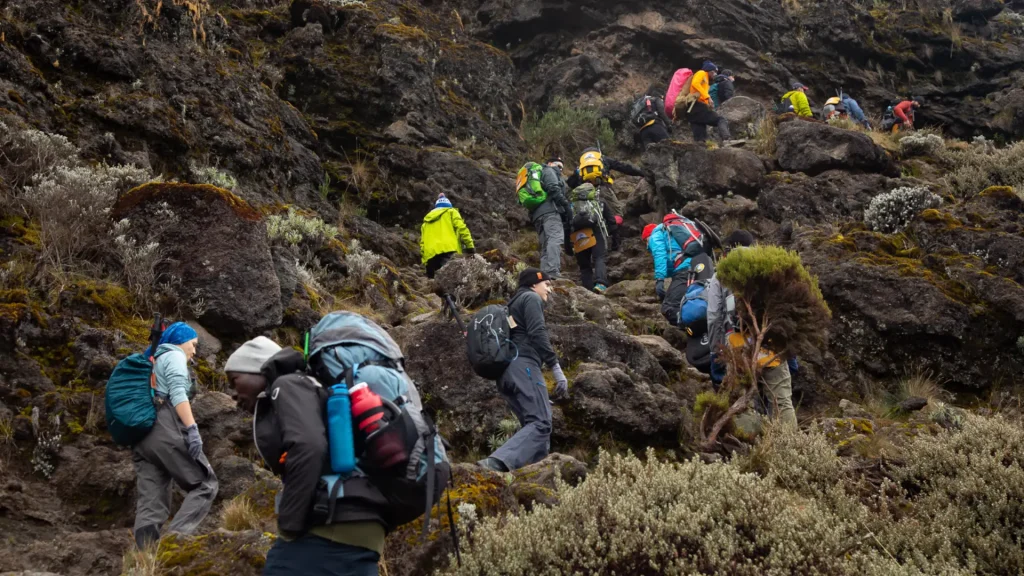
Trekkers climbing rocky trails on Mount Kilimanjaro during a guided summit ascent with Kiwoito Africa Safaris.

Why Choose Kiwoito Africa Safaris

Kiwoito Africa Safaris provides certified, experienced Arabic speaking guides who combine high-altitude expertise with linguistic and cultural understanding. Climbers receive detailed pre-climb briefings in Arabic, daily health assessments, and guidance during challenging stages like summit night.
Kiwoito Africa Safaris prioritizes climber safety, structured acclimatization, and ethical porter treatment. From initial planning to summit support and descent, every detail is managed professionally. Choosing Kiwoito Africa Safaris ensures a safe, engaging, and culturally personalized Kilimanjaro trekking experience for Arabic speaking travelers.

Frequent asked questions

Why should I choose Kilimanjaro trekking with an Arabic speaking guide?
Kilimanjaro trekking with an Arabic speaking guide ensures clear communication, especially during critical stages like summit night, acclimatization days, and emergency procedures. Climbers can ask questions, report symptoms, and understand daily briefings in their native language, which reduces stress and enhances confidence on the mountain.
Does using an Arabic speaking guide improve summit success?
Yes. Clear understanding of pacing, hydration, acclimatization, and altitude management increases summit probability. When instructions are provided in Arabic, climbers are more likely to follow recommendations accurately, which reduces the risk of altitude sickness and fatigue-related complications.
Which routes are best for Arabic speaking climbers?
All major Kilimanjaro routes including Lemosho, Machame, Marangu, Rongai, and Northern Circuit can be guided in Arabic. Longer itineraries like Lemosho and Machame are particularly recommended because they provide better acclimatization and higher success rates. Arabic speaking guides explain terrain, ecological zones, and geological features in culturally familiar terms.
How physically challenging is Kilimanjaro trekking with an Arabic speaking guide?
The trek is moderate to challenging. Kilimanjaro does not require technical climbing skills, but long daily hikes, steep ascents, and high altitude demand good endurance and mental stamina. Arabic speaking guides help manage pace, rest periods, and energy levels, making the climb safer and more manageable.
What is the best time to trek Kilimanjaro with an Arabic speaking guide?
The most favorable periods are the dry seasons from January to March and June to October. These months provide clearer skies, safer trails, and stable weather. Rainy periods in April, May, and November can make trails slippery and reduce visibility. Early booking is recommended to secure certified Arabic speaking guides, especially during peak holiday periods like July and August.

Book with us