Kilimanjaro Trekking with German Speaking Guide
Home » Kilimanjaro Trekking with German Speaking Guide
Mount Kilimanjaro rises to 5,895 meters above sea level and stands as the highest mountain in Africa. Every year, more than 35,000 climbers attempt to reach Uhuru Peak. Some come with years of hiking experience, while others are first time high altitude trekkers. What they all share is the need for clear communication, safety guidance, and strong leadership during the climb. For German speaking travelers, Kilimanjaro Trekking with German Speaking Guide offers a more comfortable and confident experience from the first briefing in Arusha to the final step on the summit.
Climbing Kilimanjaro is physically demanding, but it is also mentally challenging. When altitude increases and energy drops, being able to fully understand your guide in your native language makes a big difference. Important safety instructions, adaptation advice, and daily briefings are easier to follow. It also allows you to ask questions freely and express how you feel without hesitation. This clarity improves safety and increases summit success rates.
Kilimanjaro trekking highlights
Kilimanjaro has seven main trekking routes, including Machame, Marangu, Lemosho, Rongai, Northern Circuit, Shira, and Umbwe. Success rates vary depending on route choice and number of days spent on the mountain. Shorter itineraries of five days often show success rates between 30 percent and 50 percent due to limited acclimatization time. Routes that allow six to eight days increase summit success to between 70 percent and 90 percent, especially when proper altitude management is followed.
Altitude sickness remains the main challenge. Above 3,000 meters, oxygen levels decrease significantly, and the body must adapt slowly. Professional guides monitor oxygen saturation levels, hydration, and walking pace. When a German speaking guide leads the expedition, all medical checks and safety explanations are delivered clearly and without misunderstanding. This improves response time and overall group coordination.
Most climbers choose the Machame Route because it provides better acclimatization through gradual ascent and varied landscapes. This route covers approximately 62 kilometers over six or seven days. The Lemosho Route extends slightly longer and offers quieter trails in the early stages. Marangu Route is shorter and uses hut accommodation instead of tents, covering around 72 kilometers. Each route requires physical preparation, but proper communication remains equally important on all of them.
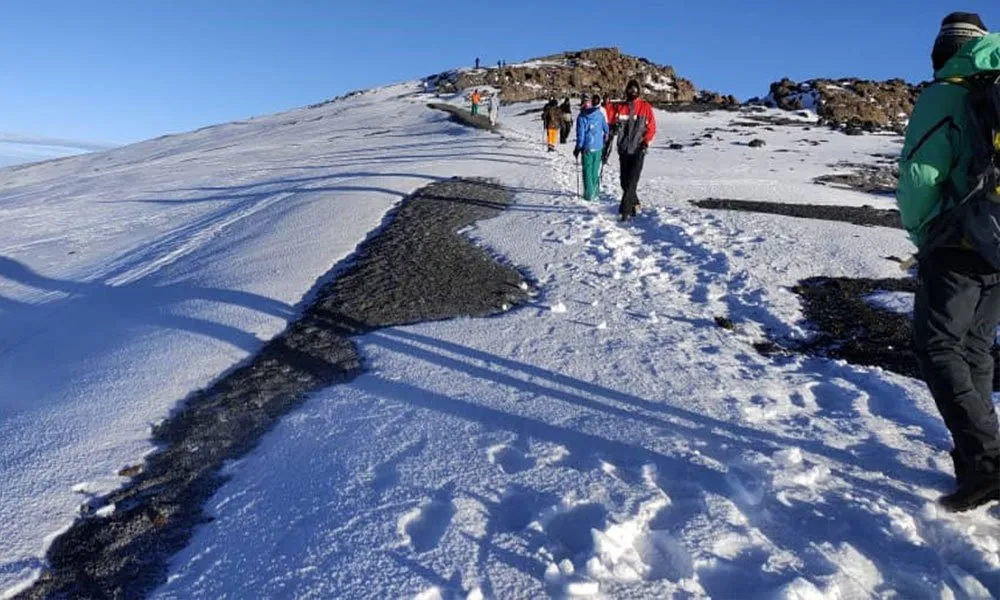
Why Choose Kilimanjaro Trekking with German Speaking Guide
Kilimanjaro Trekking with German Speaking Guide creates a deeper sense of trust between climber and guide. On high altitude mountains, small details matter. Your guide explains daily elevation gain, expected walking hours, hydration targets, and signs of altitude sickness. Understanding these details fully reduces anxiety and increases confidence.
German speaking climbers often feel more relaxed during pre climb briefings and equipment checks when information is delivered in their language. Cultural understanding also improves the experience. Humor, encouragement, and group motivation feel more natural when communication flows easily. This emotional comfort becomes especially important on summit night, which begins around midnight and requires six to eight hours of slow uphill walking in cold temperatures.
Professional guiding standards on Kilimanjaro include Wilderness First Responder training, emergency oxygen systems, pulse oximeter checks, and structured acclimatization strategies. A qualified German speaking guide combines these medical standards with clear explanations, helping climbers make informed decisions if symptoms appear.
Best Time for Kilimanjaro Trekking
The best seasons for Kilimanjaro Trekking with German Speaking Guide are during the two dry periods in Tanzania. The first dry season runs from January to early March. During this time, temperatures are slightly warmer and skies are often clear. The second dry season runs from June to October, which is the most popular period due to stable weather and lower rainfall.
During these months, trail conditions are more predictable and summit visibility is generally better. June to September tends to attract higher numbers of climbers, so early booking is recommended. The rainy seasons from mid March to May and from November to early December bring wetter conditions and reduced visibility. While climbing is still possible, weather challenges increase, and careful planning becomes more important.
Temperature differences are significant from base to summit. At the rainforest zone, temperatures range between 15 and 25 degrees Celsius. At the summit, night temperatures can drop below minus 10 degrees Celsius. Proper layering and equipment preparation are essential regardless of the season.
The Experience Beyond the Summit
Kilimanjaro is not only about reaching Uhuru Peak. It is about walking through five ecological zones, starting in dense rainforest with monkeys and tropical birds, moving into moorland with giant lobelias, then crossing alpine desert before reaching the arctic summit zone. Each day presents a new environment.
A German speaking guide enhances this journey by explaining geological history, volcanic formation, local Chagga culture, and wildlife encountered along the trail. This transforms the climb into an educational and cultural experience, not just a physical challenge.
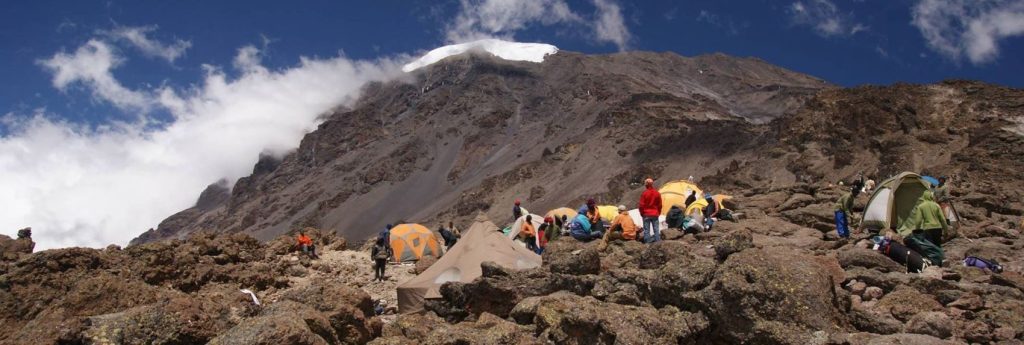
Kilimanjaro Hiking Safety
Safety, logistics, and ethical porter treatment are essential components of a responsible climb. A strong operator ensures fair wages, proper equipment, balanced meals, and medical monitoring throughout the expedition. These factors significantly influence both safety and overall experience.
Kiwoito Africa Safaris offers Kilimanjaro Trekking with German Speaking Guide led by experienced local professionals who understand both the mountain and the expectations of international travelers. Their itineraries are structured to prioritize acclimatization, realistic pacing, and personalized attention. With quality camping equipment, professional mountain crew, and detailed pre climb preparation, they focus on both safety and comfort.
Choosing the right guiding team determines the difference between struggling through the climb and enjoying every stage of it. With Kiwoito Africa Safaris, German speaking climbers receive clear communication, professional leadership, and a well organized journey from arrival in Tanzania to successful summit celebration.
Frequent Asked Questions
Are German speaking guides available?
Yes, specialized German-speaking guides are available, particularly for organized groups departing from Germany. This ensures clear communication and personalized guidance throughout the trek.
How long does a Kilimanjaro climb take?
Treks usually range from 5 to 9 days. Longer routes, such as 8–9 day treks on Lemosho or Northern Circuit routes, provide better acclimatization and significantly increase the chances of reaching the summit successfully.
Which routes are recommended for climbers?
Popular and highly recommended routes include Lemosho, Machame, and the Northern Circuit. Longer routes are preferred because they allow more gradual altitude gain, improving safety and success rates.
Is a guide mandatory for climbing?
Yes, Tanzanian regulations require all climbers to be accompanied by a licensed local guide. Guides ensure safety, provide navigation, and assist with acclimatization strategies.
What is included in a Kilimanjaro trekking package?
Typical packages cover airport transfers from Kilimanjaro International Airport (JRO), accommodation before and after the climb, park fees, a licensed guide, a cook, and porters to carry gear. Some operators also include meals and camping equipment.