Tanzania safari to Tarangire national park
Home » Tanzania safari to Tarangire national park
A Tanzania Safari to Tarangire National Park offers one of the most authentic and rewarding wildlife experiences in northern Tanzania. While many travelers focus on the Serengeti or Ngorongoro, Tarangire quietly delivers extraordinary encounters in a landscape defined by ancient baobab trees, sweeping savannah, and the life giving Tarangire River. The atmosphere feels raw and less crowded, which allows visitors to connect deeply with the rhythm of the wild.
Located within the northern safari circuit of Tanzania, Tarangire National Park covers approximately 2,850 square kilometers. It lies just a few hours southwest of Arusha, making it easily accessible while still maintaining a sense of remoteness. For travelers seeking high wildlife density without heavy vehicle traffic, this park often exceeds expectations.
Tarangire National Park Wildlife Overview
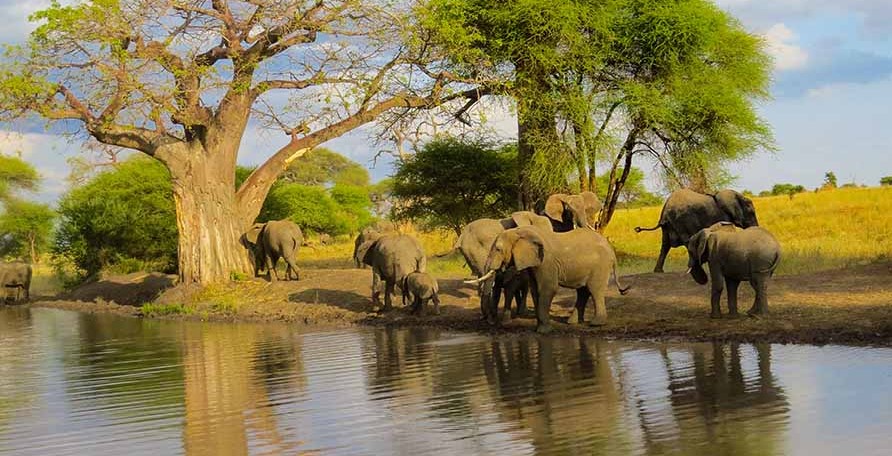
Tarangire National Park is widely recognized for its elephant population. During peak dry season months, the park hosts some of the largest elephant concentrations in Tanzania, with herds that can number more than 300 individuals moving together along the riverbanks. According to data from the Tanzania National Parks Authority, Tarangire forms part of a larger ecosystem that supports several thousand elephants across the region.
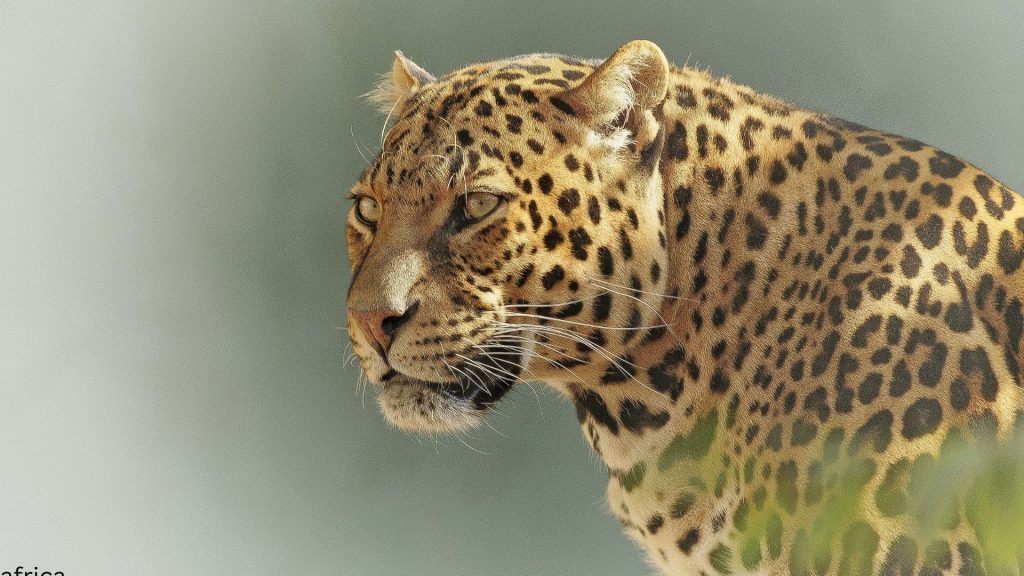
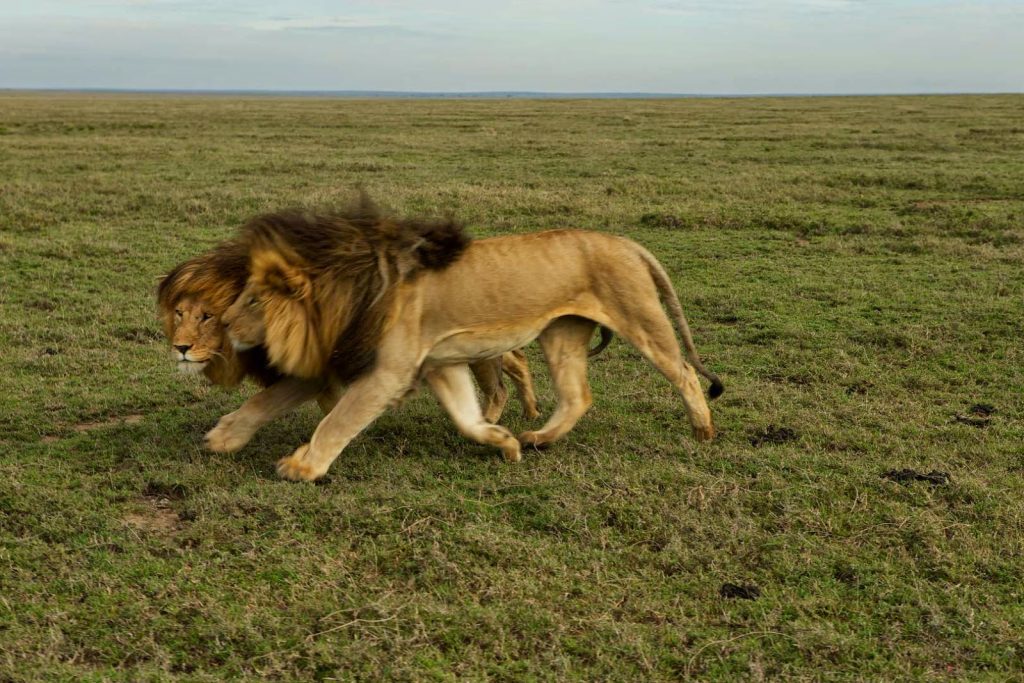
The park also sustains significant populations of buffalo, giraffe, zebra, wildebeest, and various antelope species. Predators such as lions, leopards, and cheetahs are present, though sightings require experienced tracking and patient observation. Birdlife is particularly impressive, with over 550 recorded species, making Tarangire one of the richest birding destinations in East Africa.
What sets Tarangire apart is the seasonal migration that occurs within its ecosystem. During the dry season, animals from surrounding areas move toward the Tarangire River, the only reliable water source in the region at that time. This natural movement creates dramatic wildlife concentrations that rival those seen in larger parks.
The Landscape and Unique Character of Tarangire
The most special part of a Tanzania safari to Tarangire National Park is its beautiful scenery. Huge baobab trees stand tall across the land, and some are believed to be hundreds of years old. Their thick trunks hold water, which helps them survive during the dry season. These trees look especially stunning in the warm light of the afternoon sun.
The Tarangire River serves as the lifeline of the park. In the dry months, it becomes a gathering point where elephants dig into sandy riverbeds to access underground water. Watching these intelligent animals interact around the river reveals complex social behavior and deep family bonds.
Compared to more heavily visited parks, Tarangire offers a quieter and more intimate safari atmosphere. Fewer vehicles on game drives allow for longer wildlife viewing without crowding. The open savannah, seasonal swamps, and acacia woodlands provide varied habitats within a relatively compact area, increasing the chances of diverse sightings in a single day.
The Route and Travel Experience
Most itineraries begin in Arusha before heading south toward Tarangire. The drive takes approximately two to three hours, passing through Maasai villages and rural farmland. As the landscape gradually changes, the terrain becomes more open and dotted with iconic baobabs, signaling your arrival into Tarangire’s ecosystem.
Game drives typically follow the river corridor, where wildlife activity is highest. The road network allows for flexible exploration depending on animal movement patterns and seasonal conditions. Experienced guides play a crucial role in interpreting tracks, identifying distant movement, and understanding behavioral cues that increase sighting success.
Best Time to Visit Tarangire National Park
The dry season, which runs from June to October, is widely considered the best time for a Tanzania Safari to Tarangire National Park. During this period, vegetation becomes sparse and wildlife gathers along the Tarangire River. Elephant sightings are particularly impressive, and predator activity increases as prey animals concentrate near water sources.
The green season from November to May transforms the park into a lush landscape. Although wildlife disperses due to widespread water availability, this period offers exceptional birdwatching and vibrant scenery. Photographers often appreciate the dramatic skies and rich colors during this time. Visitor numbers are generally lower, creating a more tranquil safari experience.
Temperatures remain warm year round, but early morning and evening game drives provide the most comfortable conditions and optimal wildlife activity.
Conservation and Responsible Tourism
Tarangire plays a vital role in Tanzania’s broader conservation strategy. It forms part of an important migratory corridor that connects protected areas and community lands. Sustainable tourism supports anti poaching efforts, habitat preservation, and community development initiatives.
Visitors who choose licensed operators contribute directly to conservation funding through park fees and regulated tourism activities. Responsible safari practices, including maintaining safe distances from wildlife and respecting park guidelines, help preserve this ecosystem for future generations.
Why Choose Kiwoito Africa Safaris
A well planned Tanzania Safari to Tarangire National Park requires local knowledge, logistical precision, and a deep understanding of wildlife patterns. Kiwoito Africa Safaris delivers tailored itineraries designed around seasonal movements, guest interests, and comfort preferences.
With experienced driver guides trained in wildlife tracking and ecological interpretation, Kiwoito Africa Safaris ensures that each game drive is informative and meaningful. From carefully selected lodges to smooth transport coordination, every detail is managed professionally.
Choosing Kiwoito Africa Safaris means traveling with a team that understands Tanzania’s landscapes intimately and values authentic, responsible safari experiences. Tarangire National Park offers powerful wildlife encounters and unforgettable scenery. With the right guidance, it becomes more than a destination. It becomes a story you carry long after the journey ends.
Frequent asked questions
What makes a Tanzania Safari to Tarangire National Park special?
A Tanzania Safari to Tarangire National Park stands out because of its high elephant density, iconic baobab landscapes, and lower visitor traffic compared to other northern circuit parks. During the dry season, wildlife gathers along the Tarangire River, creating concentrated and dramatic game viewing opportunities. The quieter environment allows for more relaxed and uninterrupted wildlife observation.
Accordion Tab Title 2
Lorem ipsum dolor sit amet, consectetur adipisicing elit. Optio, neque qui velit. Magni dolorum quidem ipsam eligendi, totam, facilis laudantium cum accusamus ullam voluptatibus commodi numquam, error, est. Ea, consequatur.
Accordion Tab Title 3
Lorem ipsum dolor sit amet, consectetur adipisicing elit. Optio, neque qui velit. Magni dolorum quidem ipsam eligendi, totam, facilis laudantium cum accusamus ullam voluptatibus commodi numquam, error, est. Ea, consequatur.
How many days are recommended for Tarangire National Park?
Most travelers spend one to two days in Tarangire National Park. However, when combined with destinations like Ngorongoro Conservation Area or Serengeti National Park, Tarangire is typically part of a five to eight day northern Tanzania safari itinerary.
When is the best time for a Tanzania Safari to Tarangire National Park?
The dry season from June to October offers the most reliable wildlife viewing. During these months, animals concentrate around the Tarangire River, increasing visibility and predator activity. The green season from November to May provides lush scenery and excellent birdwatching, though wildlife may be more dispersed due to widespread water availability.
What animals can I expect to see in Tarangire?
Tarangire is especially famous for its large elephant herds, which can number in the hundreds during peak season. Visitors commonly see buffalo, giraffe, zebra, wildebeest, and various antelope species. Lions and leopards are present, though sightings depend on timing and guide expertise. The park also hosts more than 550 bird species, making it a strong destination for bird enthusiasts
How far is Tarangire National Park from Arusha?
Tarangire is approximately a two to three hour drive from Arusha. The route passes through rural landscapes and Maasai communities before entering the protected area. This accessibility makes Tarangire an ideal first or last stop on a northern Tanzania safari circuit.