


6 Days Tanzania Safari
Home » 6 Days Tanzania Safari
6 Days, 5 Nights
Price On Request
Tour Overview
Planning a safari in Tanzania entails entering a world where nature’s raw beauty unfolds in ways that will stay with you long after you return home. This 6-day itinerary takes you through some of Tanzania’s most iconic landscapes, including the lush shores of Lake Manyara, the vast plains of the Serengeti, and the dramatic depths of the Ngorongoro Crater. It was designed with care for travelers looking for an authentic experience, combining thrilling wildlife encounters with moments of relaxation in comfortable lodgings. Whether you’re a first-time visitor or a seasoned explorer, this journey showcases Tanzania’s diverse ecosystems, with opportunities to see the Big Five and experience the rhythm of life on the African savanna. Based on my years of experience guiding similar trips, I’ve included practical tips to help you make the most of each day while ensuring safety, comfort, and unforgettable memories.
Tour Summary
Day 1
Arrival
Accommodation: Under the Shade
Meal Plan: Breakfast, Lunch, Dinner
Day 2
lake Manyara National Park
Accommodation: Eileen’s Tree Inn
Meal Plan: Breakfast, Lunch, Dinner
Day 3-4
Serengeti National Park
Accommodation: Zuri Camps
Meal Plan: Breakfast, Lunch, Dinner
Day 5
Ngorongoro Crater
Accommodation: Eileen’s Tree Inn
Meal: Breakfast, Lunch, Dinner
Day 6
Arusha
Accommodation: No Accommodation
Book With Us
Day by day
Day 1: Arrrive - Transfer to Arusha
On day one, your adventure begins with a smooth arrival in Tanzania, most likely at Kilimanjaro International Airport, followed by a private transfer to Arusha, the northern safari circuit’s gateway. Arusha, also known as the safari capital, is located at the foot of Mount Meru and offers a gentle introduction to the region’s vibrant culture and breathtaking scenery.
With its shaded gardens and welcoming atmosphere, Under the Shade feels like a hidden gem. Spend the afternoon relaxing after your travels, perhaps strolling through the nearby coffee plantations or conversing with locals about daily life in this bustling town. Arusha provides the ideal balance of urban energy and natural tranquillity, and it’s a good idea to use this time to adjust to the time difference while sipping fresh Tanzanian coffee.
Keep an eye out for the colorful birds flitting about; they provide a subtle preview of the wildlife wonders to come.
Accommodation: Under the Shade
Meal Plan: Breakfast, Lunch, Dinner


Day 2: Lake Manyara National Park
On day two, you’ll leave early for Lake Manyara National Park, a small but incredibly diverse reserve that packs a punch with its diverse ecosystems. The drive from Arusha takes about two hours, passing through rural villages where you might see Maasai herders tending their cattle, a reminder of the area’s strong cultural ties.
Once inside the park, the alkaline lake attracts flamingos, creating a pink shimmer against the blue water, while the groundwater forest is home to troops of baboons and elusive tree-climbing lions, a signature sight that distinguishes Manyara from other parks. Game drives here reveal elephants foraging in the acacia woodlands and hippos wallowing in the shallows, all in a small area that’s perfect for a full day of exploration without feeling rushed.
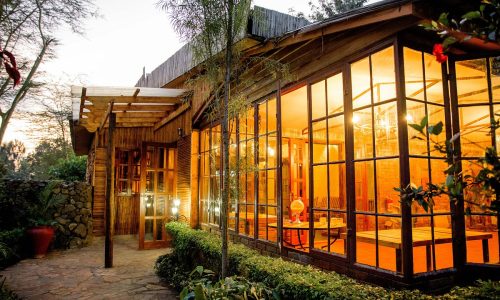
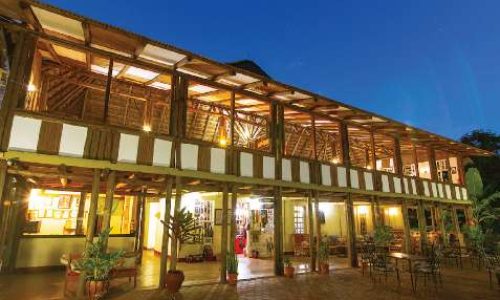
As evening falls, head to Eileen’s Tree Inn, a charming spot nestled among ancient fig trees where the sounds of the bush will lull you to sleep. Seasoned travelers recommend packing binoculars to capture the details of birdlife, as this park is home to over 400 species, making it a birdwatcher’s paradise.
Accommodation: Eileen’s Tree Inn
Meal Plan: Breakfast, Lunch, Dinner
Day 3: Game drive on the way to serengeti
On day three, the journey continues with a scenic game drive to Serengeti National Park, making the trip itself an exciting part of the experience. Leaving Lake Manyara behind, you’ll travel along the Rift Valley escarpment, stopping for views that stretch endlessly across the plains.
Along the way, keep an eye out for migrating herds of wildebeest and zebras, especially if your trip coincides with the Great Migration season, which runs from June to October and features millions of animals moving in search of fresh grass, a natural spectacle that is both humbling and exhilarating. The Serengeti is named after the Maasai word for “endless plains,” and once you arrive, you’ll understand why: its vastness is home to one of Africa’s highest concentrations of predators.
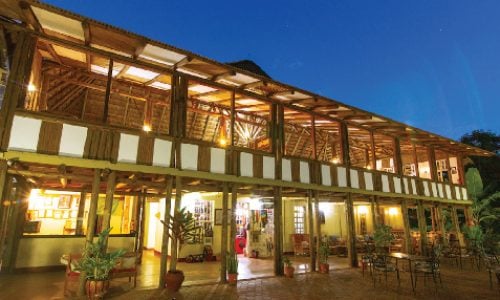
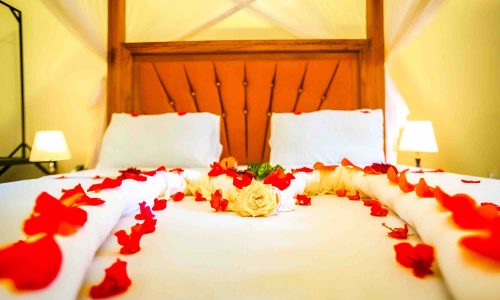
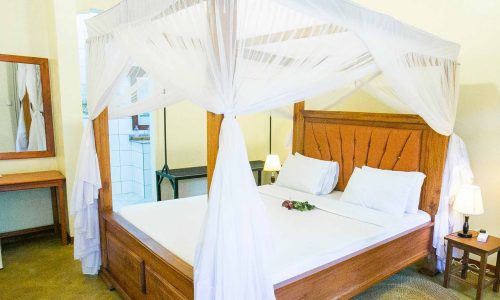
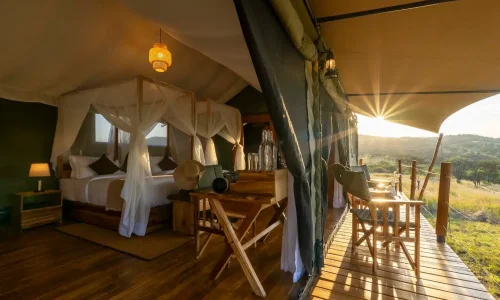
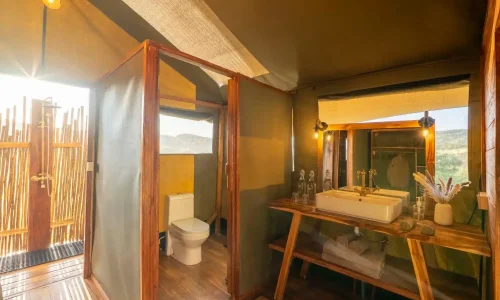
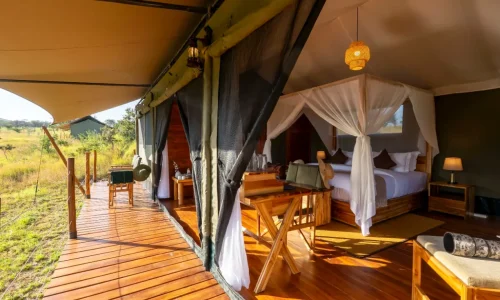
Check out Zuri Camps, a luxurious tented camp that blends in with the surroundings, with canvas walls that let in night sounds without sacrificing comfort. Evenings here frequently include sundowners around a campfire, telling stories under a starry sky that is remarkably clear due to low light pollution.
Accommodation: Zuri Camps
Meal Plan: Breakfast, Lunch, Dinner
Day 4: Full Day Serengeti National Park Exploration
Day four takes you deep into the Serengeti with a full day of exploration, allowing you to tailor activities to your interests, such as hot-air balloon rides at dawn for aerial views of the herds or guided walks to learn about smaller creatures like dung beetles and termite mounds that support the ecosystem. The park’s central region is teeming with wildlife all year, from cheetahs sprinting across the grasslands to leopards lounging in kopjes, which are rocky outcrops that provide ideal vantage points for spotting game.
Local guides, who frequently draw on generations of experience, explain how the Serengeti’s balance is dependent on seasonal rains and fires that regenerate the land. Return to Zuri Camps for another night, where the staff’s attention to detail, such as preparing bush dinners with fresh ingredients, provides a personal touch. Remember to stay hydrated and apply sunscreen; the equatorial sun can be harsh, but the rewards of seeing raw animal behavior make it all worthwhile.
Accommodation: Zuri Camps
Meal Plan: Breakfast, Lunch, Dinner
Day 5: Ngorongoro Crater
On day five, you’ll travel to the Ngorongoro Crater, a UNESCO World Heritage site that is essentially a natural enclosure filled with wildlife. The descent into this ancient caldera, created by a collapsed volcano millions of years ago, feels like entering a lost world, with steep walls enclosing a floor where rhinos, lions, and elephants roam freely. Morning game drives frequently yield sightings of the crater’s star, the endangered black rhino, as well as flamingos on the soda lake and hyenas patrolling the edges.
The crater’s microclimate promotes lush vegetation, resulting in a self-contained paradise with over 25,000 large animals in just 100 square miles. After a picnic lunch among the views, return to Eileen’s Tree Inn near Lake Manyara for the night, enjoying the contrast between the crater’s intensity and the inn’s tranquil setting. A key takeaway: Arrive early to avoid the midday crowds, as the crater’s popularity necessitates sharing space with other vehicles, but the biodiversity more than compensates.
Accommodation: Eileen’s Tree Inn
Meal: Breakfast, Lunch, Dinner
Day 6: Drive Back - Arusha Activities - Departure
Your final day, day six, concludes with a leisurely drive back to Arusha, allowing for some light activities before departure. En route, stop at a local market to buy handmade crafts or spices, helping artisans preserve traditional skills passed down through generations. If you have time in Arusha, visit the Cultural Heritage Center to learn about Tanzanian art and history in a relaxing setting. Depending on your flight schedule, you can enjoy a farewell meal featuring ugali and nyama choma, both of which are staples of the country’s flavorful cuisine. This itinerary, based on reliable sources and real traveler feedback, ensures a smooth flow while emphasizing ethical wildlife viewing, with no baiting or off-road disturbances to protect these fragile habitats. As you return home, you’ll carry not only photos but also a deeper appreciation for Tanzania’s wild spirit, ready to fuel your next adventure.
Price
| PAX | 1 PAX | 2 PAX | 3 PAX | 4 PAX | 5 PAX | 6 PAX |
| Price | on request | on request | on request | on request | on request | on request |
Inclusions
- All airport transfers
- All accommodations
- 4*4 safari Jeep
- Professional safari guide
- Meals: breakfast, lunch and dinner.
- Flying doctor for all emergencies
- First aid kit
- Mineral water during the safari
- Park entrance fees
- Taxes
Exclusions
- Visa
- Beverages Drinks
- Visa fee
- Tip for the safari guide
- Travel insurance
Frequently asked questions (FAQs)
What type of accommodation is provided?
Accommodation ranges from mid-range lodges and tented camps to luxury safari lodges, all designed to provide comfort while being close to nature.
How do we travel between parks?
You will travel in a 4×4 safari vehicle with a pop-up roof, accompanied by a professional guide for the best wildlife viewing experience.
Are meals included during the safari?
Yes, most packages include full board meals (breakfast, lunch, and dinner), along with drinking water during game drives.
When is the best time to go on a 6-day safari?
The safari runs year-round, but the dry season (June to October) offers the best wildlife viewing. The January to March period is ideal for the calving season in the Serengeti.
Is a 6-day safari suitable for families or first-time visitors?
Yes, it is perfect for families, couples, and first-time travelers, offering a balanced mix of adventure and relaxation.
Can the safari be customized?
Yes, the itinerary can be fully tailored to match your preferences, including accommodation level, number of game drives, and additional cultural experiences.