


9 Days Tanzania Safari
Home » 9 Days Tanzania Safari
9 Days, 8 Nights
Price On Request
Tour Overview
Organizing a safari trip to Tanzania is like entering a living postcard, with vast landscapes inhabited by a variety of wild animals, and each sunrise has something new to discover. This 9-day itinerary will take you through the country’s most iconic national parks, with a mix of exciting game drives and peaceful reflection.
This trip, based on decades of taking tourists through East Africa’s wilderness, will highlight the wild beauty of Tarangire, the dramatic depths of Ngorongoro Crater, and the limitless horizons of the Serengeti. The design is intended to serve a person seeking a real-time experience, and the lodges are comfortable enough to be considered after a day of viewing elephants, lions, and migrating herds.
This trip can be your first or fourth safari, but it captures the essence of the Tanzanian safari, focusing on sustainable tourism and cultural learnings to ensure that your journey is memorable.
Tour Summary
Day 1
Arrival
Accommodation: Under the shade
Meal Plan: Breakfast, Lunch, Dinner
Day 2 – 3
Tarangire National Park
Accommodation: Osupoku Lodge
Meal Plan: Breakfast, Lunch, Dinner
Day 4-5
Ngorongoro Crater
Accommodation: Ang’ata Ngorongoro
Meal Plan: Breakfast, Lunch, Dinner
Day 6 – 8
Serengeti National Park
Accommodation: Zuri Camps
Meal Plan: Breakfast, Lunch, Dinner
Day 9
Arusha
Accommodation: No Accommodation
Book Your Tour!
Day by day
Day 1: Arrival - Getting Ready For Adventure
Your adventure will begin with a comfortable landing in Tanzania, possibly at Kilimanjaro International Airport, followed by a private transfer to Arusha.
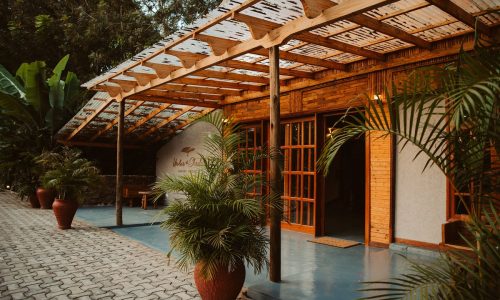
Arusha is known as the northern safari circuit’s entry point, and it welcomes visitors to the area’s vibrant culture and diverse environment. Rest in Under the Shade, a small lodge in an acacia tree ford that provides a cool resting place after your flight.
Spend the afternoon in local time, either strolling through the lodge’s gardens or enjoying a light meal of fresh Tanzanian produce. This pre-acclimatization period is critical because it allows you to adjust to the elevation and be prepared for the fun that awaits you, as well as receive advice from your guide on what to look for in the parks, such as seasonal movements of animals based on rainfall patterns.
Accommodation: Under the shade
Meal Plan: Breakfast, Lunch, Dinner


Day 2-3: Tarangire National Park
The second day begins with a drive south to Tarangire National Park, a low-profile park that is often overshadowed by its more popular neighbors but is admired for its large herds of elephants and ancient baobab trees that serve as guard posts along the horizon. During the next two days, you will learn about the park’s various ecosystems, which range from river valleys with a diverse bird population to open savanna grassland where lions roam.
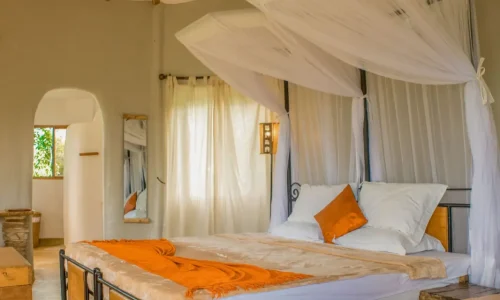
Your base, Tarangire Osupuko Lodge, is located on the park’s outskirts, and you can enjoy a breathtaking view and even hear animal calls at night from the veranda.
Mornings begin with game drives, during which giraffes can be seen browsing on the tops of trees and possibly a python coiled up on a branch.
Afternoons can be spent on bush walks with Maasai guides, who can tell stories about their lives in harmony with wildlife and how Tarangire’s swamps provide water sources throughout the year, supporting over 500 bird species. The evenings conclude with a campfire where everyone discusses the highlights of the day, including how the park is involved in elephant conservation in the face of poaching threats.
Accommodation: Osupoku Lodge
Meal Plan: Breakfast, Lunch, Dinner

Day 4-5: Full Exploration Of Ngorongoro Crater
On the fourth day, the trip goes to the Ngorongoro Crater, a UNESCO World Heritage site and one of the best places in Africa to see wildlife. The huge caldera that was made by a volcano that fell millions of years ago is a natural barrier for the predators and prey, which is very dramatic.
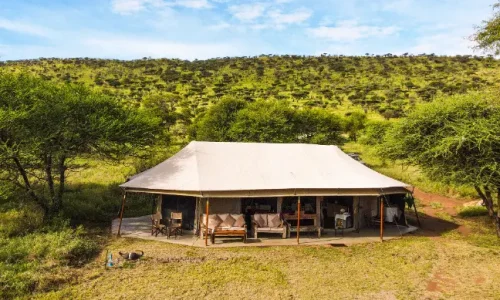
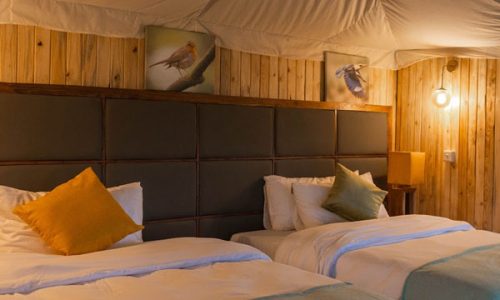
Days four and five: On days four and five, we were fully immersed in the experience, walking down to the bottom of the crater to get up close and personal with the big five: lions, elephants, rhinos, leopards, and buffalo. Ang’ata Ngorongoro’s lodge is on the edge of the crater, so it has amazing views and a sense of privacy. The tents are comfortable and blend in with nature.
People who go on early trips get to go first. You can see the flamingo on the soda lake or the hyena eating the dawn. Local knowledge sheds light on the unique dynamics of the microclimate surrounding the crater, the factors enabling substantial populations in a confined area, and the conservation initiatives aimed at preserving the critically endangered black rhinos. Take a break from driving and get some spa treatments based on traditional remedies, or visit a Maasai village nearby to learn more about their pastoral way of life. This will add a cultural touch to your interest in wildlife.
Accommodation: Ang’ata Ngorongoro
Meal Plan: Breakfast, Lunch, Dinner

Day 6-8: Serengeti National Park
The safari concludes between days six and eight in the Serengeti National Park, the epitome of wild Africa, with its abundant, expansive grasslands hosting the Great Migration of wildebeest and zebra. This large area of approximately 15,000 square kilometers offers limitless opportunities to see cheetahs hunting or lion prides resting in the shade.
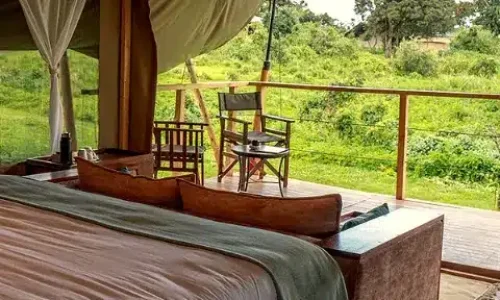
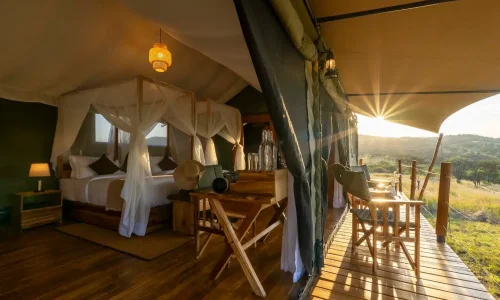
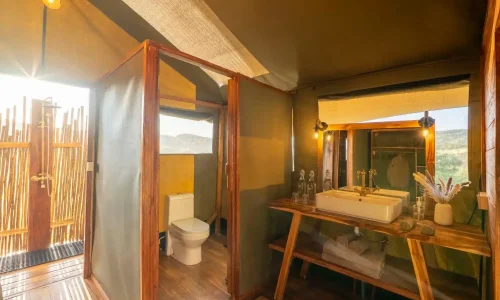
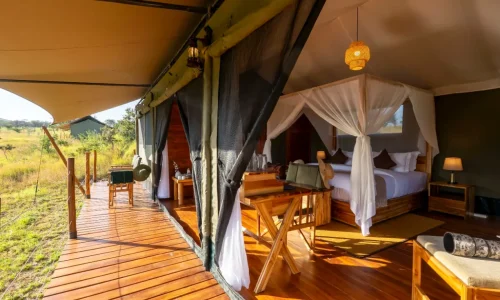
Your mobile-style rooms, known as Zuri Camps, move with the seasons to put you in the heart of the action and provide an intimate eco-friendly stay in canvas tents that will allow you to listen to the wilderness.
One day leads to the next: morning aerial sightseeing by balloon of the plains, followed by a second day of searching the river banks for crocodiles hiding, and finally nighttime sightseeing of animals that are difficult to spot, such as aardvarks.
The timing of the migration, which is precipitated by rains and grasses, is one of the most important findings because it maintains the ecosystem’s balance. Using generations of experience, your guides point out even the smallest clues, such as vulture circles indicating a kill, and turn each field trip into a lesson in the natural web.
Day 9: Return To Arusha - Farewell
Your final day is Day 9, which is the journey back to Arusha, but it is a reflective one as it passes through scenic highlands with coffee plantations and local farms.
Arrive mid-morning and spend your time in enriching experiences that will round out your safari, such as a visit to Arusha’s bustling markets to try your hand at handicrafts or a short coffee tour to sample some of the beans grown on Mount Meru’s slopes. These are experiences that provide insight into the daily lives of Tanzanians, such as how to negotiate the beads used in jewelry making and how sustainable farming can benefit communities. Lunch at a nearby restaurant featuring ugali and grilled meat, followed by a smooth transfer to the airport, leaving you with memories of Tanzania’s unparalleled wilderness.
This trip not only provides memorable sights, but it also increases awareness of the importance of conservation, as visiting each park helps to preserve these wonders for future generations to enjoy. Safe travels and your stories can encourage others to visit this wonderful place.
Price
| PAX | 1 PAX | 2 PAX | 3 PAX | 4 PAX | 5 PAX | 6 PAX |
| Price | on request | on request | on request | on request | on request | on request |
Inclusions
- All airport transfers
- All accommodations
- 4*4 safari Jeep
- Professional safari guide
- Meals: breakfast, lunch and dinner.
- Flying doctor for all emergencies
- First aid kit
- Mineral water during the safari
- Park entrance fees
- Taxes
Exclusions
- Visa
- Beverages Drinks
- Visa fee
- Tip for the safari guide
- Travel insurance
Frequently asked questions
What accommodation options are available?
Guests can choose between budget camping, mid-range lodges, tented camps, and luxury safari lodges, all offering comfort and a close-to-nature experience.
How do we travel between locations?
All transportation is provided in 4×4 safari vehicles with pop-up roofs, driven by professional guides experienced in wildlife tracking.
Can the safari itinerary be personalized?
Yes, the itinerary can be customized to suit your interests, including adjusting destinations, accommodation levels, and adding cultural or nature-based activities.
What should I pack for a 9-day safari?
Bring light, breathable clothing in neutral colors, sun protection, comfortable shoes, a warm layer for cool mornings, and a camera or binoculars.
Is a 9-day safari suitable for families and first-time visitors?
Yes, this duration is excellent for families, couples, and first-time travelers, as it offers a relaxed and immersive safari experience.