Tanzania Safari With Italian Speaking Guide
Home » Tanzania Safari With Italian Speaking Guide
A safari is a guided experience. The wildlife is the headline, but the guide is what determines whether you understand what you are seeing, what you remember when you get home, and whether you book another trip ten years later. For Italian speaking travellers, the question of language fluency in the guide is not a small detail. It is the difference between a guided safari and a guided tour where half the explanation is missing.
Many Tanzania safari operators advertise “Italian speaking guides.” Many of those guides actually speak conversational Italian and run the technical safari content in English. There is a real difference between a guide who can manage an Italian dinner conversation and a guide who can explain wildlife behaviour, predator strategies, geological history, and Maasai cultural context fluently in Italian during a long game drive.
We are Kiwoito Africa Safaris, based in Arusha. We run safaris with genuinely fluent Italian speaking guides for travellers from Italy, Italian Switzerland (Ticino), San Marino, and the wider Italian diaspora. This page is what we tell our Italian speaking clients when they email asking how a Tanzania safari in Italian actually works.
If you are an Italian speaking traveller searching for un safari in Tanzania con guida italiana, or if you have Italian speaking parents or family members joining your trip, this page will tell you honestly what we offer, how our Italian language guiding actually works, and what to ask any operator before you book.
The Real Difference Between “Speaks Italian” and “Italian Speaking Guide”
Many Tanzania safari operators list “Italian speaking guides” on their website. The reality varies widely. Here is the honest spectrum we have seen across the industry.
Conversational Italian only. The guide knows greetings, basic safari vocabulary in Italian, and can manage simple exchanges. Wildlife and geography explanations remain in English with Italian summaries. This is what is actually delivered when most operators say “we have Italian speaking guides.”
Functional bilingual. The guide can run a full game drive in Italian including the standard wildlife explanations, but technical or specialised conversations (geology, behavioural ecology, complex cultural context) drift back to English when the topic gets deep.
Fluent bilingual. The guide is genuinely fluent in Italian, often having either studied in Italy or spent significant time in Italian speaking environments. The full safari experience can be delivered in Italian at any depth the traveller wants. This level is rare in Tanzania and worth specifically requesting.
Kiwoito Africa Safaris has fluent bilingual guides on staff and we allocate them specifically to Italian speaking groups. We are honest about which level of fluency you get with each guide, and you can ask before booking. We will not assign you a “knows some Italian” guide if you have asked for fluency.
Why Italian Speaking Travellers Choose Kiwoito Africa Safaris
We have been running Tanzania safaris for Italian speaking travellers for years. Italians are consistently among the largest European nationality groups visiting Tanzania, particularly during the summer holidays (especially around Ferragosto in August), Christmas and New Year, and the Easter break. We have built specific competence in serving this audience, including the strong Tanzania safari and Zanzibar combination that Italian honeymooners have made one of our most popular trip structures.
Genuinely Fluent Italian Speaking Guides
Our Italian speaking guides are East African with deep Tanzania experience and real Italian fluency. Several of them have studied in Italy at universities, completed Italian language certification programmes, or worked previously with Italian tourism partners. They speak the language well enough to handle complex wildlife discussions, philosophical conversations over dinner, and the small jokes and regional expressions that make a guide feel like a friend rather than a service provider. They understand Italian dining culture, the importance of the long evening meal, and why a properly made espresso matters at the end of a long game drive.
When an Italian speaking group books with us, we allocate the guide based on availability, group size, and any specific interests. For honeymoon couples or small private groups, we always send a fluent Italian speaker. For larger groups including extended families, we may pair a fluent Italian guide with a strong English speaking assistant guide who can support specific aspects.
A Real Track Record With Italian Speaking Travellers
We currently hold a 5.0 average rating on TripAdvisor with more than 200 reviews and 4.9 on Google with more than 100 reviews. A meaningful share of our reviews come from Italian speaking travellers, including reviews written in Italian. Read them when comparing operators. Italian language reviews from real travellers are harder to fake than generic English reviews and they signal that the operator genuinely serves Italian speaking clients rather than just claiming to.
Bilingual Communication Throughout the Booking Process
The Italian speaking experience does not start when you arrive in Arusha. It starts when you send your first email. We have Italian speaking team members in our office who handle the entire booking process in Italian if you prefer: itinerary discussions, quotes in EUR, payment confirmations, pre trip briefings, and post trip follow up.
This matters because language barriers in the planning process create misunderstandings that show up later as disappointments on the trip. Una prenotazione fatta nella tua lingua è una prenotazione fatta correttamente. A booking made in your language is a booking made correctly.
East African Expertise, Not Just Language Skills
An Italian speaking guide is only valuable if the underlying safari knowledge is also strong. Our guides have years of experience in Tanzania’s parks, are licensed by the Tanzania National Parks Authority (TANAPA), and continue ongoing training. They are good guides who happen to speak Italian, not Italian speakers who happen to be guides.
For specialised interests including photographic safaris, birding safaris, and family safaris with children, we match Italian speaking travellers with Italian speaking guides who also have those specific competencies. Italian birders in particular often arrive with serious experience in Mediterranean and African ornithology, and our birding guides keep up.
Honest Planning, Not Hard Selling
We listen to your dates, your group, and what matters to you. We come back with two or three honest options. We do not pad your itinerary with extra parks just to inflate the quote, and we do not push you toward our most expensive lodges if a mid range option suits you better.
Italian speaking travellers often value detailed, well structured planning conversations and appreciate being treated as informed clients rather than passive buyers. Our quotes itemise park fees, lodge rates, vehicle costs, guide fees, and any extras line by line so you can see exactly what you are paying for.
Why an Italian Speaking Guide Genuinely Improves Your Safari
If you are still deciding whether to pay extra for a fluent Italian guide rather than accepting a “speaks Italian” guide, here is what actually changes during the trip.
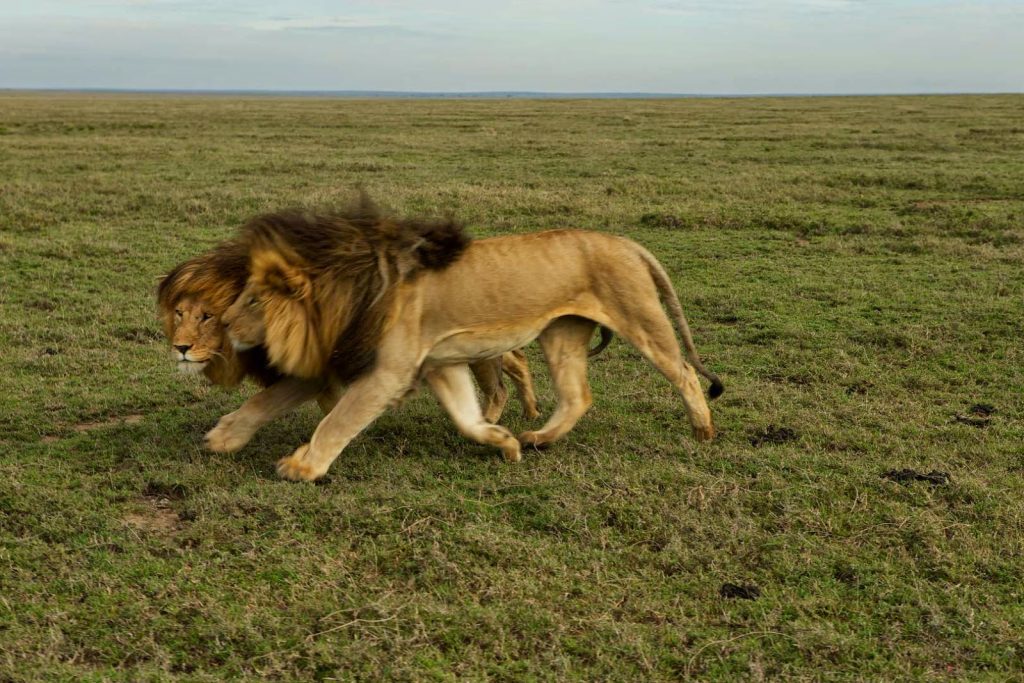
The wildlife behaviour explanations land differently. A guide who explains a lion ambush in your native language gives you a richer mental image than the same explanation translated. The nuances of predator strategy, herd dynamics, and territorial behaviour come through with their full weight.
The Maasai cultural context becomes accessible. Tanzania safaris often include cultural visits to Maasai communities. The translation chain from Maa to Swahili to English to Italian loses meaning at every step. An Italian speaking guide compresses that chain and lets the conversation flow.
The dinner conversation matters. Safari evenings at the lodge are when the day’s sightings are processed, questions are answered, and the next day is planned. Italian travellers tend to take the long evening meal seriously, with conversation that ranges from wildlife to politics to family stories. If those conversations happen in your second or third language, you go to bed less satisfied. In Italian, the conversation flows the way it should.
Safety information is precise. The pre game drive briefing covers what to do if you encounter dangerous wildlife on foot, how to behave at a kill sighting, and lodge specific protocols. Critical safety information should be delivered in your strongest language. We do this in Italian for all Italian speaking groups.
Children get the experience too. For families with Italian speaking children, a guide who speaks to the kids in Italian rather than through a parent’s translation transforms the trip. Children pay more attention, learn more, and remember more.
You can ask the questions you actually want to ask. Travellers in their second language tend to simplify their questions because forming complex sentences feels effortful. In your native language, you ask the real questions. The safari becomes a conversation rather than a lecture.
Tanzania Parks We Cover With Italian Speaking Guides
Every itinerary we run for Italian speaking travellers can be guided in Italian. Here are the parks we cover most often, woven into our northern circuit safaris.
The Serengeti National Park is the flagship and the site of the Great Wildebeest Migration. The Serengeti is the largest park in Tanzania’s northern circuit, and most Italian speaking safaris focus here. Our Italian speaking guides have detailed knowledge of the region’s ecology, the migration patterns, and the seasonal positioning of the herds. Best timed around the calving in the southern Serengeti and Ndutu (January to early March) or the Mara River crossings in the Northern Serengeti (August to early October). The August window aligns well with Italian summer holidays and is one of our peak booking periods for Italian families.
The Ngorongoro Crater is a 260 square kilometre caldera with one of the highest predator densities in Africa. A single day in the Crater typically delivers four or five of the Big Five for most Italian speaking travellers. The geology of the caldera, formed when a massive volcano collapsed roughly two to three million years ago, is something many Italian travellers find particularly compelling, and our guides can discuss the volcanic history in detail.
Tarangire National Park is the elephant park. Tarangire has one of the largest elephant populations in East Africa, baobab trees that Italian travellers always remember, and quieter game viewing than the Serengeti. Our Italian speaking guides combine wildlife observation with discussions of the park’s tribal history and the role of the Tarangire River in the dry season ecology.
Lake Manyara National Park is smaller, often included as a single night stop on the way into or out of the Serengeti. Famous for its tree climbing lions and flamingos. A useful addition for longer itineraries.
Arusha National Park offers walking safaris and excellent views of Mount Meru and Kilimanjaro. For travellers with limited time who want a half day or full day experience close to Arusha town, this is a strong option. Italian guests often add this to a Kilimanjaro climb trip as an acclimatisation and recovery day.
Lake Eyasi and the Hadzabe Communities offer cultural depth for Italian speaking travellers interested in human anthropology. The Hadzabe are one of the last hunter gatherer societies in Africa. This is a sensitive cultural experience that requires a guide capable of translating not just words but context, and our Italian speaking cultural guides handle this with care.
For travellers who want to combine a safari with Africa’s highest peak, Mount Kilimanjaro climbing is one of the most popular bucket list trips for Italian travellers. The mountain is well known in Italy through Hemingway’s writing and through the long history of Italian climbers and trekkers in East Africa. Mountain guiding in Italian is rarer than safari guiding in Italian, and we have invested specifically in this competence.
For the beach extension after the safari, we coordinate with Italian speaking guides on Zanzibar for Stone Town tours, spice farm visits, and dhow excursions. Italian travellers have a particularly strong tradition of combining the safari with Zanzibar beach holidays, and Zanzibar has been a favourite Italian destination since the 1990s when the first Italian operated lodges opened on the north coast.
Sample Itineraries for Italian Speaking Travellers
These are starting points. Every Italian speaking safari we run is built around the specific traveller, group composition, and goals.
7 Day Classic Tanzania Safari (Safari Classico)
The most popular structure. Three of the best northern circuit parks with an Italian speaking guide throughout.
- Day 1: Arrival at Kilimanjaro Airport (JRO), transfer to Arusha, Italian speaking briefing.
- Day 2: Drive to Tarangire National Park.
- Day 3: Tarangire game drives.
- Day 4: Drive to the Ngorongoro highlands via Lake Manyara.
- Day 5: Ngorongoro Crater game drive, drive to the Serengeti.
- Days 6 and 7: Serengeti game drives.
- Day 8: Morning game drive, fly back to Arusha, departure.
10 Day Tanzania Safari and Zanzibar (Safari e Mare)
The version we run most often for Italian honeymoon couples and families. Six days of safari with an Italian speaking guide, then four days on Zanzibar. This structure is the heart of our Tanzania honeymoon safari and beach holiday bookings.
4 Day Short Safari From Arusha (Safari Breve)
For travellers with limited time. Tarangire, Ngorongoro, and a single night in the Serengeti, all guided in Italian.
Migration Focused Safari (Safari Migrazione)
Built around either the calving season (February) in Ndutu or the Mara River crossings (August to October). Our guides position the trip for the appropriate region. The August window is particularly popular with Italian families because it aligns with the Ferragosto holidays and school summer break.
Honeymoon Safari (Viaggio di Nozze)
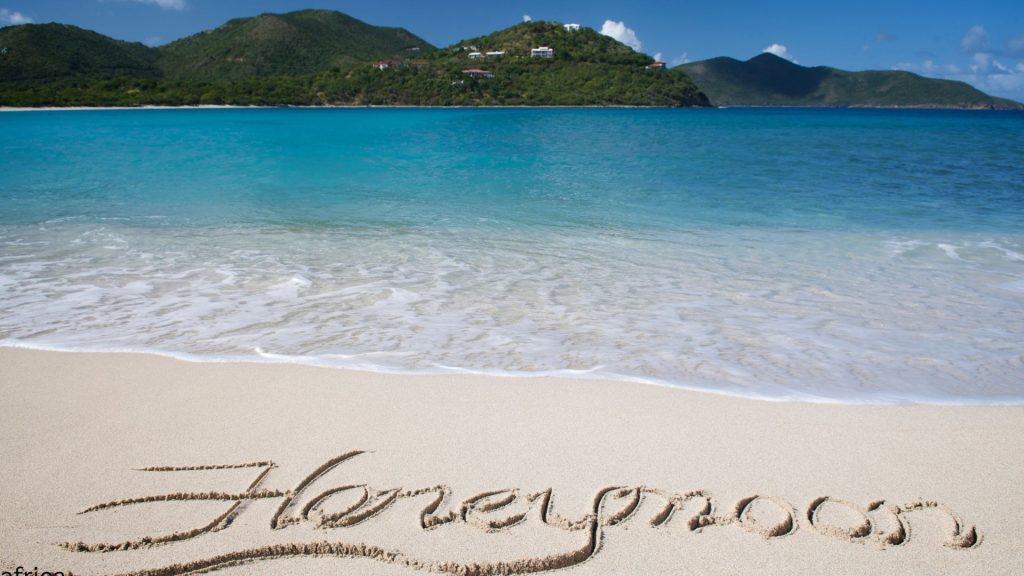
Private vehicle, fluent Italian speaking guide, luxury tented camps, sundowner setups, and optional Zanzibar extension. The Italian honeymoon market is one of our largest single audience segments and we have a separate detailed Tanzania honeymoon safari page.
Family Safari (Safari in Famiglia)
For families with Italian speaking children. We adjust the pace, choose family friendly lodges, and brief our guides to engage with younger travellers in age appropriate Italian. Italian families often travel with grandparents (nonni) included, which we accommodate happily.
Photographic Safari (Safari Fotografico)
For serious photographers we use guides with photographic experience and good Italian vocabulary for technical discussion (luce, composizione, attrezzatura). Italian wildlife photographers are a serious community and we cater carefully to this audience.
Kilimanjaro Climb Plus Safari (Kilimanjaro più Safari)
For the most ambitious trip: a Kilimanjaro climb followed by a recovery safari and optional Zanzibar extension. This is a 2 to 3 week trip and one of the most rewarding combinations we run.
What These Trips Actually Cost
We will not put a single number on this because the cost depends on lodges, season, group size, and length. But for a frame of reference, in 2026:
- Mid range (comfortable lodges, fluent Italian speaking guide, private vehicle): a 7 day Tanzania safari at this level typically starts around USD 2,800 to 3,500 per person.
- Luxury (boutique tented camps, premium guide, private vehicle): roughly two to two and a half times mid range.
- Ultra luxury (private concessions, exclusive game drives, top tier camps): roughly four to six times mid range.
Park fees in Tanzania in 2026 are USD denominated and are non negotiable. The Serengeti carries park fees of around USD 80 or more per adult per day plus vehicle and camping fees. A 7 day safari has several hundred dollars per person in park fees alone, before any lodge or vehicle cost.
We bill in USD or in EUR for Italian speaking clients who prefer euro pricing, with the exchange rate fixed at quote acceptance. This protects you from currency fluctuation between booking and travel. For Swiss Italian clients from Ticino, we can also bill in CHF on request.
Best Time of Year for an Italian Guided Safari
The peak Italian summer safari season in Tanzania runs from mid June through mid September. This is when most Italian speaking travellers visit, school holidays align (particularly the Italian vacanze estive and Ferragosto in August), and the dry weather makes wildlife concentrated and visible. The migration river crossings in the northern Serengeti happen during this window.
The Christmas and New Year period (le feste) is the second peak window for Italian travellers, with weather still good and the southern Serengeti starting to fill with herds. February for the calving season and Easter for the shoulder season make up smaller but reliable booking windows.
For Italian speaking travellers, the peak booking period is roughly January through March for trips departing that summer, and September through October for trips departing the following winter. Italian speaking guides are in high demand during these windows and book up earlier than the safari operator industry generally. We recommend booking at least nine to twelve months ahead for fluent Italian speaking guides during peak summer or Christmas season.