Tanzania Safari With Dutch Speaking Guide
Home » Tanzania Safari With Dutch Speaking Guide
The Serengeti alone covers 14,763 square kilometres. It takes a guide who speaks your language fluently to turn that scale into something personal, to point at a distant kopje and explain why the lions chose that exact rock, in words that land the first time. That is what a Dutch speaking safari in Tanzania actually means in practice, and it is rarer than most operators let on.
At Kiwoito Africa Safaris we are based in Arusha, less than 90 minutes from the gates of Tarangire National Park and a short drive from Kilimanjaro International Airport. We arrange private safaris across the northern circuit and beyond, and we can match Dutch speaking clients with guides who carry genuine fluency, not just a phrasebook and good intentions.
This page explains honestly how Dutch guided safaris work in Tanzania, what they cost, which parks suit which travel styles, and where we think other operators fall short on this topic.
Why Language Actually Matters on Safari
Most visitors underestimate this until day two. Game drives run from roughly 06:00 to 10:00 in the morning and again from 15:30 until sunset. That is five to six hours per day inside a vehicle with your guide. The quality of that conversation determines whether you understand what you are looking at or simply photograph it.
A guide explaining animal behaviour, migration patterns, Maasai land rights, volcanic geology, and bird identification in English when your strongest language is Dutch creates a low grade friction that compounds over a week. You miss nuance. You hesitate to ask follow up questions. You leave with beautiful photos and a vague sense that the full story went past you.
With a Dutch speaking guide the dynamic changes. Questions come easily. Evenings at the camp feel more relaxed. The guide’s commentary during a cheetah hunt or a lion kill is immediate rather than translated in your head. For families travelling with children, this is especially important since younger travellers engage far more when they understand everything in real time.
Which Parks Do We Cover on Dutch Guided Safaris?
Our standard private safari routes cover the northern circuit, which connects the parks that most Dutch visitors have in mind when they start planning.
Tarangire National Park sits closest to Arusha, roughly 120 kilometres south. The dry season from June through October concentrates elephants along the Tarangire River in numbers you will not find anywhere else in Tanzania. We typically open a multi day itinerary here because it sets the pace well and is genuinely spectacular before the crowds reach Serengeti levels.
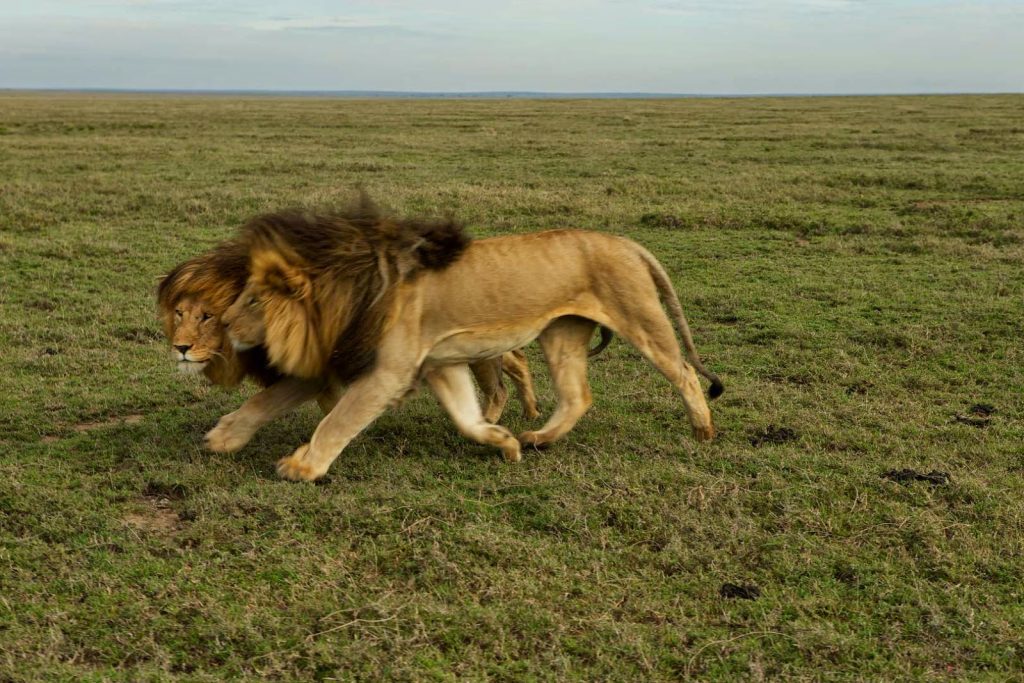
Lake Manyara National Park is compact enough to cover in a single day, which makes it useful as either an arrival day warm up or a final morning before heading to Ngorongoro. The tree climbing lions here are real, not guaranteed but real, and the alkaline lake turns pink with flamingos depending on the season.
Ngorongoro Conservation Area holds the crater, which is 19 kilometres across and sits at 2,200 metres above sea level. Inside the crater floor you have around 25,000 animals including the densest lion population in Africa and a small resident population of black rhino. The crater rim lodges are genuinely cold at night, so pack a layer regardless of the time of year. We will tell you that not every crater rim lodge is worth its price tag, and we can advise you honestly on which ones we would send our own family to versus which ones trade on the view alone.
Serengeti National Park is where most clients spend the most nights, and rightly so. The park is roughly the size of Northern Ireland. The southern Seronera area around the Seronera River has the best year round game density. The north near the Mara River is where the wildebeest crossing happens from roughly July through October. The western corridor holds migration herds between May and July. Understanding which section to prioritise in which month is where a local operator earns its fee, and it is a conversation we have with every Dutch speaking client before we put together a day by day plan.
For those wanting to go further, we also run safaris into the southern circuit covering Ruaha and Nyerere, and the western circuit covering Katavi and Mahale for chimpanzees. These parks are remote and require fly in transfers. They are not right for every traveller but for those who want complete solitude and have done the northern circuit before, they are exceptional.
How Our Dutch Guided Safaris Are Structured
Every safari we run for Dutch speaking clients is private. You are not joining a group vehicle where the guide switches between English, German, and Dutch depending on who asks a question. You have your own Land Cruiser, your own driver guide, and a route built around your interests and pace.
Our vehicles are Toyota Land Cruiser 4x4s with pop up roofs for standing game viewing, a charging point for cameras, a cooler with water and soft drinks, and enough space for four to six passengers comfortably. We do not run more than six passengers in a single vehicle because it compromises the game viewing angle for everyone.
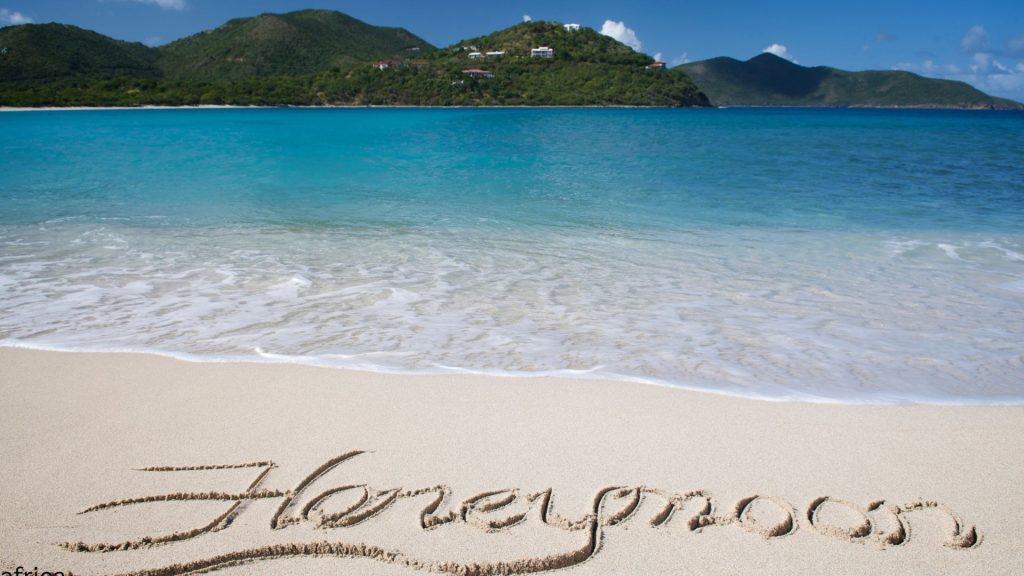
The guide assigned to your safari will be briefed on your specific interests before departure. If you are keen on birds, we note that. If you are travelling with a teenager who wants to understand predator behaviour, the guide prepares for that. If you are on a Tanzania honeymoon safari and want a slower pace with more time at camp and a sundowner stop each evening, we build that in.
Day by day structure for a standard 7 day Dutch guided safari on the northern circuit looks like this:
- Day 1: Arusha pickup from Kilimanjaro International Airport or your hotel, drive to Tarangire (approximately 2 hours), afternoon game drive along the Tarangire River
- Day 2: Full day in Tarangire, morning and afternoon game drives, overnight at Tarangire area camp or lodge
- Day 3: Drive to Lake Manyara, game drive in the park, continue to Ngorongoro rim for the night
- Day 4: Full crater descent, approximately 6 hours inside the crater, return to rim lodge for the night
- Day 5: Drive through the Ngorongoro Conservation Area to central Serengeti (Seronera), afternoon game drive
- Day 6: Full day Serengeti with morning and afternoon drives, overnight in the park
- Day 7: Morning game drive, drive back to Arusha, drop off at airport or hotel
We can extend this to 10 days by adding nights in the northern Serengeti near the Mara River if your timing aligns with the migration, or by adding a Zanzibar beach extension of three to five nights at the end.
When to Come and When Not to Come
This is the question we are most honest about because getting the timing wrong is expensive and disappointing.
June through October is the dry season and the most popular period. Game viewing is at its sharpest because animals concentrate around water sources and the grass is short enough to see clearly. This is also when Dutch school holidays tend to fall, which means parks are busier and lodge prices are at their highest. If you are flexible, avoid the first two weeks of July and August for the Serengeti specifically. The busiest lodges are congested and some of the spontaneity of game drives disappears.
January and February are excellent and underused. The short dry spell between the two rainy seasons produces beautiful conditions in the Ngorongoro crater and Tarangire, and the Serengeti calving season runs from late January through March. Witnessing thousands of wildebeest calves in the southern Serengeti plains is one of the most striking things we show clients and it is less crowded than the river crossing period. Prices are lower across the board.
April and May are the long rains. We will tell you directly that these are not ideal safari months for most travellers. The parks remain open, some lodges close, the roads in the Serengeti can become impassable after heavy rain, and the game is dispersed. Some specialist photographers chase the dramatic skies and lush green landscapes during this period and that is a legitimate choice, but we would not recommend it as a first Tanzania safari.
November is a shoulder month that can work well if the short rains arrive late, which they often do. Rates are lower, the parks are quiet, and the birding is exceptional as migratory species arrive from Europe and Asia.
Which Option Is Right for You?
Choose a 5 to 6 day northern circuit safari if you are coming for the first time, you have a limited budget, or you are combining Tanzania with a Zanzibar beach stay. This covers Tarangire, Ngorongoro, and Serengeti at a pace that does not feel rushed.
Choose a 8 to 10 day extension if you want to include Lake Natron, the Ngorongoro Highlands walking, or the northern Serengeti for the migration crossing. Ten days also works well for families who want slower mornings and more time at lodges between drives.
Choose a fly in option if your budget allows and you want to minimise road time. Flying between Arusha, Seronera, and the northern Serengeti saves roughly 8 hours of driving over the course of the safari and opens up camps that are not accessible by road in wet season. We can coordinate domestic flights on Coastal Aviation or Air Excel, both of which operate from Arusha Airport.
Do not choose a joining group safari if Dutch is your priority language. Joining group vehicles operate in English and the economics of a group vehicle do not allow for a dedicated Dutch speaking guide. Our group joining safari is good value for solo travellers who are comfortable in English, but it is not the right fit for this specific need.
Why Travel with Kiwoito Africa Safaris
We are a locally registered Tanzanian operator based in Arusha, which matters for a few practical reasons. We are members of TATO (Tanzania Association of Tour Operators), registered with the Tanzania Tourist Board, and licensed under TANAPA. Our certifications are not decorative. They mean we are accountable to a regulatory body and can be reported to one if we fall short.
Our guides have an average of more than eight years of active guiding experience on the northern and southern circuits. They are not recent graduates doing their first season. The Dutch speaking guides on our roster have worked with Dutch and Belgian clients for years and understand the specific questions that come from that market, including practical questions around safety, health, and what Tanzania is actually like versus what Belgian and Dutch media tends to portray.
We run Toyota Land Cruiser 4×4 vehicles that are serviced in Arusha on a regular maintenance schedule. We carry a communication device on all remote routes, and our guides carry a basic medical kit. We also carry a full tool kit because a bush breakdown in the Serengeti is a real possibility and a well prepared guide handles it without drama and without ruining the day.
We have over 200 five star reviews on TripAdvisor and more than 100 reviews on Google averaging 4.9. We are not going to pretend that every single safari we have ever run was flawless, because no honest operator can say that. What we can say is that when something goes wrong we fix it, communicate clearly, and do not disappear.
If you want to see more about how we work and who we are, visit our about us page or read recent guest accounts on our travel blog.
Plan Your Safari with Kiwoito Africa Safaris
If you are in the early stages of planning and not yet ready to commit, send us your travel dates, the number of people in your group, and a rough sense of your budget. We will come back with a detailed itinerary, a realistic cost breakdown, and honest advice about whether your dates and expectations are a good match for what Tanzania offers in that season.
We do not use high pressure sales tactics. If another operator or a different destination is genuinely a better fit for what you want, we will tell you that.