Kiwoito Africa Safaris

trip advisor reviews

★ 5.0 | 200+ reviews

google reviews

★ 4.9 | 100+ reviews

★ 5.0 | 200+ reviews

Kilimanjaro group joining climb

Home » Kilimanjaro group joining climb
A Kilimanjaro group joining trek offers climbers an opportunity to scale Africa’s highest peak while sharing the experience with like-minded adventurers from around the world. Standing at 5,895 meters, Mount Kilimanjaro is a non-technical climb, yet it requires careful planning, physical endurance, and acclimatization strategies.
Group joining treks are popular for travelers seeking a cost-effective way to summit without compromising guidance or safety. They provide Friendship of fellow climbers, structured itineraries, and professional support from licensed guides and porters. For many first-time climbers, the social and motivational aspects of a group trek make the experience both enjoyable and manageable.

Kilimanjaro Group Trek Statistics and Success Rates

Annually, tens of thousands of climbers attempt Kilimanjaro, with group joining treks representing a significant portion of these ascents. Success rates for group treks vary depending on route, pace, and acclimatization strategies. Longer routes like Lemosho or Machame tend to see summit success rates approaching 85–90 percent, while shorter, faster-paced group treks may have lower success rates around 50–60 percent.
Altitude sickness remains the primary challenge for climbers. Groups benefit from professional guides who monitor each member’s condition and adjust pacing to improve acclimatization. The collective energy of a group also supports climbers through challenging sections, especially during summit night when the climb becomes most demanding.
 

Unique Features of Kilimanjaro Group Joining Treks

Group joining treks follow well-planned itineraries that balance challenge with achievable daily distances. Climbers traverse multiple ecological zones, from lush rainforest to alpine desert and arctic summit conditions. Guides ensure the group moves at a manageable pace while explaining key aspects of the environment, wildlife, and local culture.
The social element of a group trek is one of its most distinctive features. Participants can encourage one another, share experiences, and celebrate milestones together. Group dynamics often create lasting friendships and add a motivational element that is harder to replicate on solo or private treks.
Additionally, shared logistics reduce costs while maintaining high-quality support. Porters carry supplies and camps are set up in advance, ensuring comfort and minimizing stress for climbers. Group joining treks are designed to accommodate climbers of varying experience levels while maximizing safety and summit potential.
kilimanjaro group joining climb
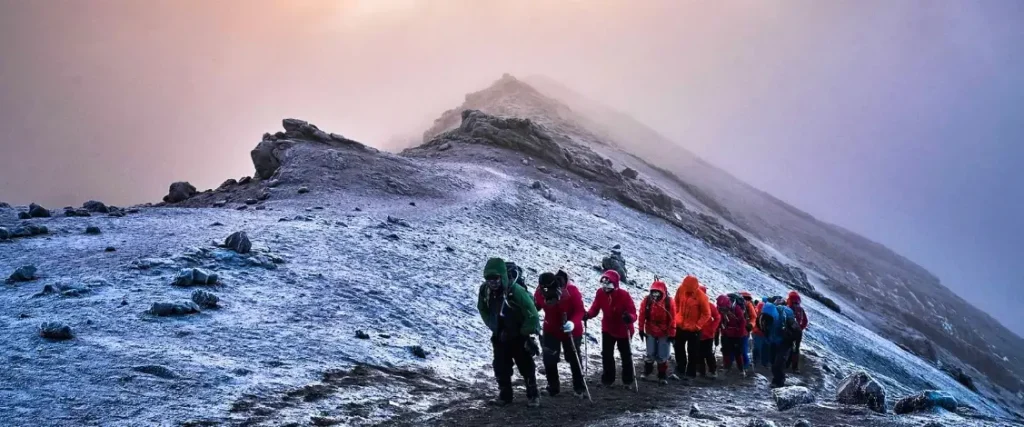
Climbers on a group trek up Mount Kilimanjaro

Best Time for a Kilimanjaro Group Trek

The dry seasons from January to March and June to October are ideal for group treks. These months provide the most predictable weather, stable trail conditions, and optimal visibility for wildlife and scenic views.
Peak periods, especially July and August, coincide with European vacation schedules. During these months, group joining treks are popular, so early booking is recommended to secure space and experienced guides. For those aiming to avoid crowds, trekking in January, February, or September offers a balance of favorable conditions and smaller group sizes.
 

Safety and Professional Guidance

Licensed guides are a requirement for all Kilimanjaro climbs. On group joining treks, guides monitor the health and pacing of all participants, provide briefings on altitude management, and ensure adherence to safety protocols. First aid knowledge, emergency evacuation plans, and high-altitude experience are standard among professional guides.
The structured nature of group treks also supports safety through collective awareness. Group members and guides can notice signs of altitude sickness or fatigue quickly, allowing timely interventions to protect health and summit success.
Kilimanjaro group joining trekking
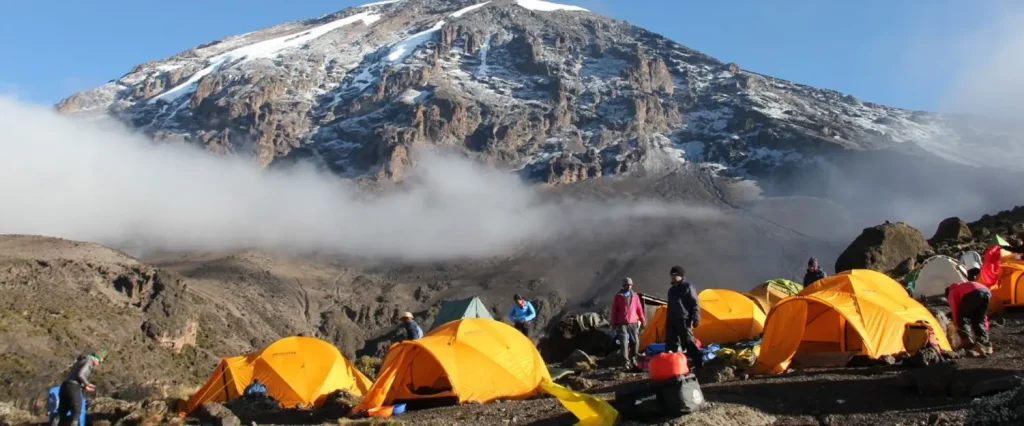
Group of climbers staying in a tent on Mount Kilimanjaro

Why Choose Kiwoito Africa Safaris

Kiwoito Africa Safaris provides well organized group joining treks with experienced guides, trained porters, and structured itineraries. Climbers benefit from shared logistics, high quality camps, and professional support throughout the ascent.
With Kiwoito Africa Safaris, groups enjoy a motivating and well-managed environment where safety, comfort, and summit success are prioritized. This makes a Kilimanjaro group joining trek both an affordable and memorable way to reach Uhuru Peak, while connecting with fellow travelers who share the adventure.

Frequent asked questions

What is a Kilimanjaro group joining trek?
A Kilimanjaro group joining trek is a climb organized for multiple travelers who join together to ascend the mountain on a shared itinerary. It provides structured guidance, shared logistics, and professional support, allowing climbers to experience the summit affordably while enjoying camaraderie with fellow adventurers.
How does a group trek differ from a private trek?
Group treks follow fixed itineraries with shared vehicles, camps, and guides, offering a more cost-effective and social experience. Private treks are fully customizable, giving travelers exclusive vehicles, flexible schedules, and personalized attention from guides. Group treks prioritize collective pacing and safety for all members.
Are group treks suitable for first-time climbers?
Yes. Group joining treks are often designed for varying experience levels. Licensed guides monitor health, pace the climb appropriately, and provide advice on altitude management, making it accessible even for those attempting Kilimanjaro for the first time.
What routes are commonly used for group treks?
Popular routes for group treks include Lemosho, Machame, and Marangu. Longer routes like Lemosho and Machame improve acclimatization and increase summit success rates, while shorter routes may appeal to travelers with limited time or higher fitness levels.
When is the best time to join a Kilimanjaro group trek?
The dry seasons from January to March and June to October are ideal for weather, trail conditions, and scenic views. July and August are peak periods, so early booking is recommended. Traveling in January, February, or September offers smaller group sizes while maintaining favorable conditions.
How safe is a group trek on Kilimanjaro?
Group treks are safe when guided by licensed professionals. Guides monitor all participants for altitude sickness and fatigue, provide first aid if needed, and manage daily pacing. Group awareness enhances safety, as members and guides can quickly identify health concerns.

Book with us