Which park should you visit in Tanzania?
Home » Which park should you visit in Tanzania?
When travelers begin planning a safari, one common question always comes up, which park should I visit in Tanzania? It is a fair question because Tanzania is not a small destination with only one wildlife area. It is one of Africa’s largest and most diverse safari countries. More than thirty percent of Tanzania’s total land area is protected for conservation. This includes national parks, game reserves, and conservation areas that together form one of the richest wildlife networks in the world.
Tanzania is home to over twenty national parks, including world famous destinations such as Serengeti National Park and Ngorongoro Conservation Area. Each park has its own landscape, wildlife concentration, and travel experience. Some parks are known for open plains filled with predators, others for large elephant herds, and others for remote wilderness with very few vehicles. Understanding these differences helps you decide which park should visit in Tanzania based on your expectations, time, and budget.
Tanzania wildlife highlights
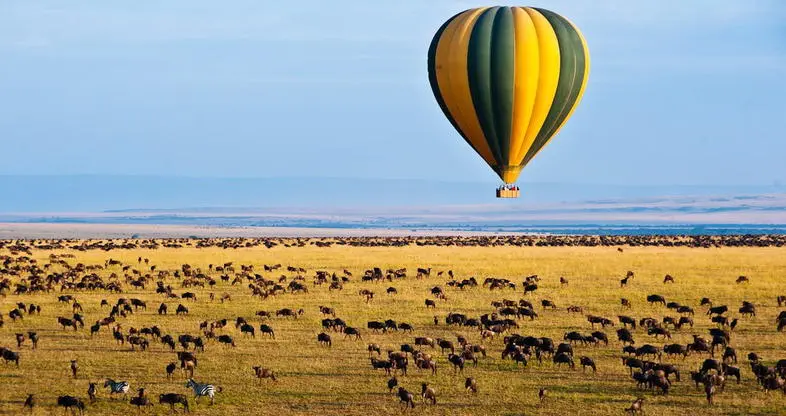
To answer which park should visit in Tanzania, it is important to look at statistics that show the scale of wildlife and conservation. Serengeti National Park alone covers approximately 14,750 square kilometers. During the Great Migration, more than 1.5 million wildebeest move across this ecosystem, joined by hundreds of thousands of zebras and gazelles. It is considered one of the largest animal movements on earth.
Inside Ngorongoro Crater, which is part of the Ngorongoro Conservation Area, there are approximately 25,000 large animals living within a crater that is about 19 kilometers wide. Because the crater walls form a natural enclosure, wildlife viewing here is dense and consistent. Many travelers see lion, elephant, buffalo, and sometimes rhino within a single day.
Tarangire National Park is another strong option, especially during the dry season. It is known for hosting more than 3,000 elephants during peak months when animals gather along the Tarangire River. In contrast, southern parks such as Nyerere National Park and Ruaha National Park offer fewer crowds and a more remote atmosphere, with large populations of lions and wild dogs.
Which Park Should First Time Travelers Visit in Tanzania
For first time safari travelers, the Northern Circuit often provides the most complete experience. This route usually begins in Arusha and connects Tarangire, Serengeti, and Ngorongoro in a logical travel loop. The reason this circuit is popular is simple. Distances between parks are manageable, wildlife density is high, and landscapes change dramatically from one location to another.
Serengeti offers wide open plains with strong predator action. Ngorongoro provides concentrated wildlife in a compact area. Tarangire adds dramatic baobab trees and large elephant herds. This combination answers the question which park should visit in Tanzania for someone who wants maximum variety within one trip.
For travelers who prefer fewer vehicles and more privacy, the southern circuit offers a different rhythm. In Nyerere National Park, boat safaris along the Rufiji River allow you to see hippos and crocodiles from the water. In Ruaha, the terrain is rugged and dry, with large prides of lions and fewer tourist vehicles. This region feels more exclusive and wild.
Best Time to Visit When Deciding Which Park Should Visit in Tanzania
Timing plays a major role in determining which park should visit in Tanzania. The dry season from June to October is generally considered the best period for wildlife viewing. During these months, vegetation is thinner and animals gather around permanent water sources. This makes sightings easier and more predictable. River crossings in the northern Serengeti usually happen between July and September.
The green season from November to May offers fewer crowds and lower accommodation rates. January and February are especially important months in the southern Serengeti because this is when wildebeest calving season takes place. Thousands of calves are born within a short period, attracting predators and creating dramatic wildlife scenes.
Weather also differs by region. Northern parks are accessible year round, while some southern areas may have limited access during heavy rains. Understanding these seasonal patterns helps refine the answer to which park should visit in Tanzania based on your travel dates.
Which Park Should Visit in Tanzania Based on Experience Level
If this is your first safari, Serengeti and Ngorongoro provide high wildlife density and easy viewing. If you have already experienced classic safari landscapes and want something quieter, Ruaha or Nyerere may be more rewarding. If you enjoy combining adventure with wildlife, some travelers pair their safari with a climb on Mount Kilimanjaro. This adds a different dimension to the trip, moving from savannah plains to high altitude landscapes within the same country.
Ultimately, the answer to which park should visit in Tanzania depends on whether you value wildlife concentration, migration timing, remote wilderness, or combined adventure experiences. Tanzania offers all of these within one destination.
Overview of Major Tanzanian Parks
Tanzania protects more than 30 percent of its land for wildlife, creating large and natural ecosystems that allow visitors to experience rich biodiversity. These protected areas mean safaris often cover long distances, sometimes hundreds of kilometers, and require careful planning over several days to fully enjoy the variety of species and landscapes.
Serengeti National Park alone spans about 14,750 square kilometers and involves long game drives of six to eight hours per day. The park is famous for the Great Migration, when over 1.5 million wildebeest, along with zebras and gazelles, move across the plains. The best time to witness dramatic river crossings is from July to September in the northern regions.
Ngorongoro Crater provides a smaller, more concentrated wildlife experience, with a diameter of about 19 kilometers and roughly 25,000 large animals. Visitors have a high chance of seeing the Big Five in a single day, with shorter drives of four to six hours covering 20 to 30 kilometers, making it ideal for those who want intense wildlife viewing in a compact area.
Tarangire National Park is particularly known for its large elephant population, exceeding 3,000 during the dry season. Wildlife gathers around the Tarangire River, with peak viewing from June to October when dry conditions make spotting easier. Additionally, the southern Serengeti calving season in January to February offers unique opportunities to observe predator-prey interactions.
Experience Tanzania with Kiwoito Africa Safaris
Choosing the right park is only the first step. The real difference comes from how your safari is planned and guided. Kiwoito Africa Safaris is a Tanzanian based company that understands the landscape, wildlife movements, and seasonal patterns in detail. Their itineraries are structured carefully to balance driving time, wildlife exposure, and accommodation quality.
With professional guides, well maintained vehicles, and strong local knowledge, Kiwoito Africa Safaris helps travelers confidently decide which park should visit in Tanzania based on personal goals and travel dates. Whether you choose the famous northern parks or the quieter southern reserves, their team ensures that your journey is well organized, safe, and meaningful from arrival to departure.
Frequent asked questions
What is the most famous park in Tanzania?
The most famous park in Tanzania is the Serengeti National Park. Its global recognition comes from the Great Migration, which involves over 1.5 million wildebeest moving across the plains seasonally, as well as its large populations of predators like lions, leopards, and cheetahs. The Serengeti’s vast landscape, covering roughly 14,750 square kilometers, provides iconic African savannah scenery that draws wildlife enthusiasts from all over the world.
What is the most visited National Park in Tanzania?
The Ngorongoro Crater is among the most visited parks in Tanzania. Its unique compact ecosystem, just 19 kilometers across, supports around 25,000 large animals, giving visitors an extremely high chance of seeing the Big Five in a single day. Because of this high density of wildlife and the easily navigable crater floor, it’s a popular choice for first-time visitors and those who prefer shorter, high-impact game drives.
Is Kruger or Serengeti better?
While South Africa’s Kruger National Park is famous for accessibility and well-maintained roads, the Serengeti National Park offers a more expansive wilderness experience. The Serengeti’s vast plains, seasonal migration of over 1.5 million wildebeest, and opportunities to see predators in natural hunting scenarios make it ideal for travelers seeking iconic African safari experiences. Kruger is often more convenient, but for large-scale wildlife encounters and photographic diversity, Serengeti is preferred.
What are the best safari parks in Tanzania?
Some of the best safari parks in Tanzania include the Serengeti National Park, the Ngorongoro Crater, and Tarangire National Park. The Serengeti provides extensive plains and the Great Migration, Ngorongoro offers high-density wildlife viewing in a unique volcanic caldera, and Tarangire is notable for its large elephant herds and iconic baobab trees. Choosing the best park depends on your priorities, whether you want vast migrations, concentrated predator-prey action, or elephant encounters in scenic landscapes.