Tanzania safari guide 2026
Home » Tanzania safari guide 2026
Introduction
If you are planning a Tanzania safari in 2026, this guide gives you everything you need in one place. From costs and best time to visit, to safari styles and accommodation levels, you will understand how to plan with confidence.
Tanzania remains one of Africa’s top wildlife destinations. The northern circuit, including Serengeti National Park, Ngorongoro Crater, Tarangire National Park, and Lake Manyara National Park, offers some of the strongest wildlife viewing in Africa.
As a local Arusha based tour operator, Kiwoito Africa Safaris designs tailor made safaris across these parks every week. We track seasonal wildlife movement, lodge quality, and road conditions in real time. This guide reflects what works on the ground in 2026.
Why Tanzania in 2026
Wildlife populations remain strong across the northern circuit. Conservation efforts continue to protect key habitats. Access roads have improved, and many lodges upgraded their standards in recent years.
The Great Wildebeest Migration continues to attract global attention. Predator action in the Serengeti remains one of the most consistent in Africa. If you want a luxury Tanzania safari itinerary or a well balanced 6 day Tanzania safari, 2026 is an excellent year to plan.
Safari Options in Tanzania
Private Safari
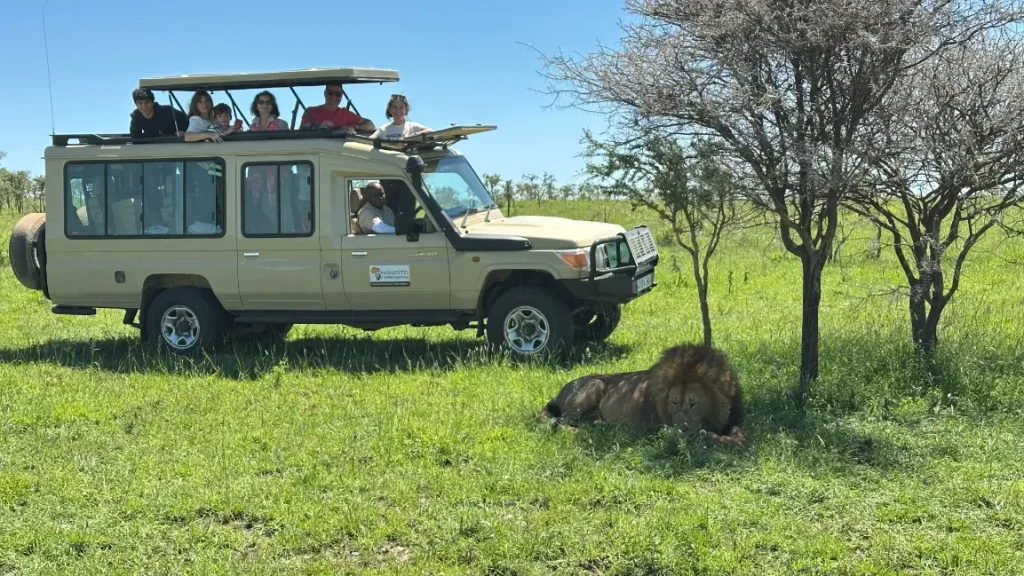
This is the most popular choice. You get a dedicated 4×4 Land Cruiser and your own professional guide. You control the pace. You stay longer at sightings. This works best for couples, families, and photographers.
Group Joining Safari
You share the vehicle with other travelers. It reduces cost but follows a fixed route and schedule.
Fly In Safari
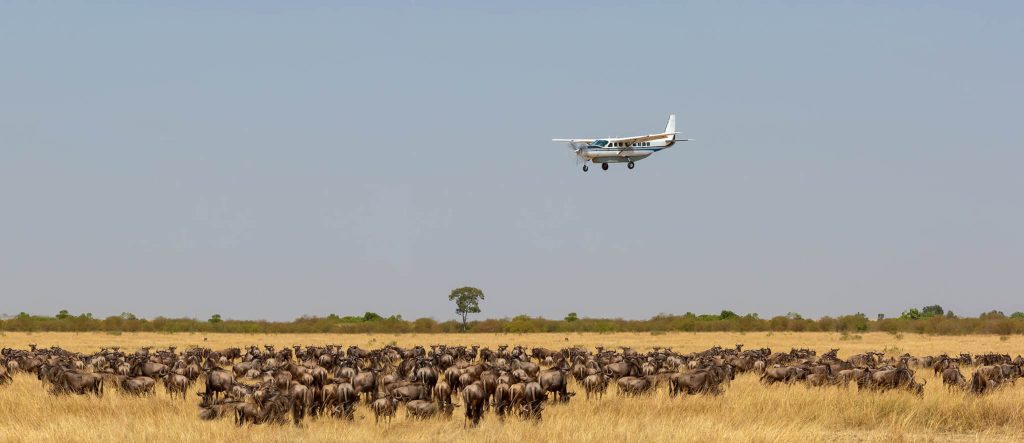
Instead of long drives from Arusha to Serengeti, you fly between parks. This saves time and increases comfort. Ideal for a northern Tanzania luxury safari with limited days.
Safari Styles for Different Travelers
Honeymoon Safari
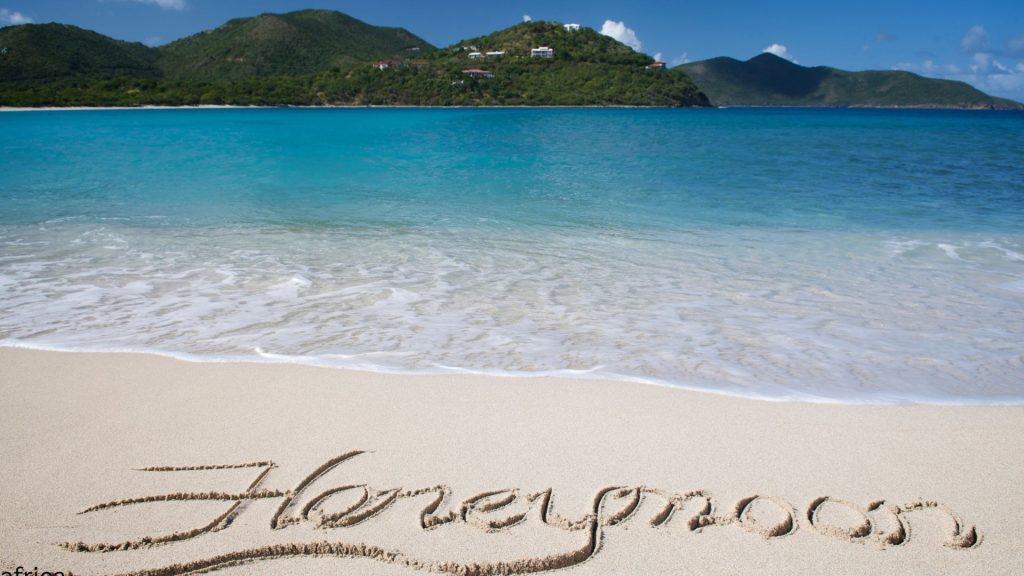
A honeymoon safari in Tanzania combines privacy and romance. You stay in a Serengeti luxury camp with panoramic views. You enjoy private bush dinners and sunset drinks overlooking the plains. Many couples combine safari with Zanzibar beach after the northern circuit.
Family Safari
We adjust game drive hours and choose lodges with family suites. Our experienced local guides keep children engaged by explaining animal behavior in simple ways.
Migration Focused Safari
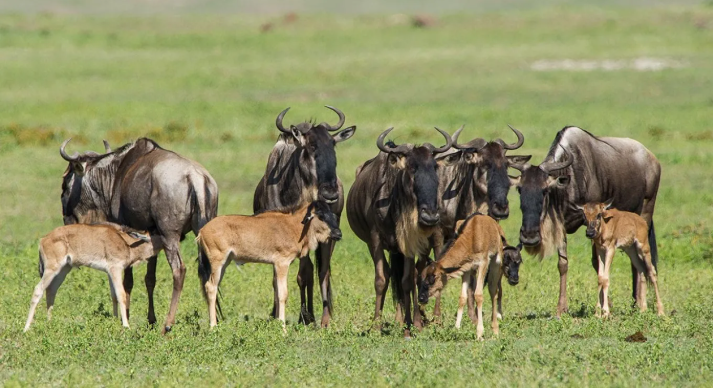
If your goal is river crossings, plan for July to September in northern Serengeti. For calving season, travel January to March in southern Serengeti. Timing matters. We advise based on real movement patterns.
Photography Safari
We position vehicles for light and background. Early morning and late afternoon drives increase your chances of dramatic wildlife moments.
Best Time for Tanzania Safari in 2026
Dry Season, June to October
This is peak safari season. Grass is shorter. Wildlife gathers around water. Big Five sightings are strong. Expect higher lodge rates and early booking requirements.
Green Season, November to March
Landscapes turn lush. Birdlife increases. Calving season in southern Serengeti attracts predators. Rates may be lower except during Christmas and New Year.
April and May bring heavier rains. Some camps close, but wildlife viewing remains possible in certain areas.
Budgeting and Safari Costs in 2026
Your budget depends on travel style, season, and group size.
Budget Safari
200 to 350 USD per person per day
200 to 350 USD per person per day
Mid Range Safari
350 to 600 USD per person per day
350 to 600 USD per person per day
Luxury Safari
600 to 1200 USD per person per day and above
600 to 1200 USD per person per day and above
For a private luxury Tanzania safari itinerary of 6 days, expect approximately 4000 to 8000 USD per person depending on lodge level and season.
Park fees, vehicle, guide, accommodation, meals, and drinking water are usually included. International flights and travel insurance are separate.
Accommodation Options
Budget Lodges
Simple but clean rooms. Good for cost conscious travelers.
Mid Range Tented Camps
Comfortable beds, private bathrooms, strong service standards. Located inside or near parks.
Luxury Lodges and Camps
Premium suites, fine dining, prime wildlife locations. In Serengeti, some luxury camps move seasonally to follow the migration.
Choosing the right accommodation level shapes your overall experience.
Transportation During Safari
Most safaris use 4×4 Toyota Land Cruisers with pop-up roofs for easy wildlife viewing. The vehicles have large windows, charging ports, and a small fridge. Driving from Arusha to the Serengeti takes about 7–8 hours, including game drives along the way.
For travelers who want to avoid long drives, domestic flights connect Arusha with several Serengeti airstrips. This option is faster and allows more time for safaris in the park.
Safety and Security
Tanzania is considered stable for tourism. National parks are professionally managed.
Our experienced local guides follow wildlife safety rules strictly. You remain inside the vehicle during game drives, unless in designated picnic areas.
Lodges provide security staff and escorted walks at night.
Travel insurance is recommended for all international visitors. Most safaris use 4×4 Toyota Land Cruisers with pop-up roofs for easy wildlife viewing. The vehicles have large windows, charging ports, and a small fridge. Driving from Arusha to the Serengeti takes about 7–8 hours, including game drives along the way.
For travelers who want to avoid long drives, domestic flights connect Arusha with several Serengeti airstrips. This option is faster and allows more time for safaris in the park.
What to Pack for Your Safari
Pack light and practical.
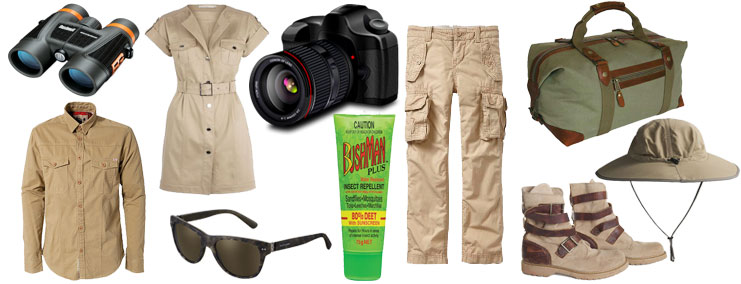
• Neutral colored clothing
• Light jacket for cool mornings
• Comfortable walking shoes
• Hat and sunscreen
• Camera with extra memory cards
• Soft travel bag for internal flights
• Light jacket for cool mornings
• Comfortable walking shoes
• Hat and sunscreen
• Camera with extra memory cards
• Soft travel bag for internal flights
Avoid bright colors and heavy suitcases.
Responsible Tourism and Conservation
Tourism supports conservation in Tanzania. Park fees fund wildlife protection and anti poaching initiatives.
At Kiwoito Africa Safaris, we work with lodges that follow sustainable practices. We respect wildlife viewing distances. We support local communities around conservation areas.
Why Travel with Kiwoito Africa Safaris
We are a locally owned company based in Arusha. We operate Serengeti Ngorongoro Tarangire safari from Arusha every week.
Our experienced local guides understand seasonal wildlife patterns. They know where predators move during dry months and where herds concentrate during migration.
We design private luxury safari northern circuit Tanzania experiences based on your travel month, budget, and expectations. No fixed templates. No hidden costs.
You receive direct support from our Arusha office before, during, and after your trip.
Frequently asked questions (FAQs)
What is the best time to go on a Tanzania safari in 2026?
The best time to go on a Tanzania safari in 2026 is during the dry season from June to October, when animals gather around water sources and wildlife spotting is easier. The months of December to March experience short rains, which bring fewer tourists and lush green landscapes, making it a quieter option for travelers who prefer a more peaceful safari experience.
Which safari destinations should I prioritize?
Key destinations for a Tanzania safari include the Serengeti for the wildebeest migration, Ngorongoro Crater for dense wildlife in a single location, Tarangire National Park for large elephant herds and iconic baobab trees, and Lake Manyara National Park for flamingos and tree-climbing lions. Each park offers a unique ecosystem and wildlife experience, allowing you to see a wide variety of animals in different habitats.
How long should a typical safari last?
A typical safari should last at least 4–6 days to cover the northern circuit parks comfortably, while a 7–10 day safari allows for a slower pace, more time at each park, and opportunities to explore less-visited areas. Longer itineraries also give flexibility to combine safari with other activities such as cultural visits, trekking, or beach extensions to Zanzibar or Pemba.
What type of safari vehicle is recommended?
4×4 safari vehicles with pop-up roofs are recommended for better wildlife viewing and photography, offering safety on rough terrain. Larger groups may need multiple jeeps or minibuses, and vehicles with experienced drivers who double as guides can enhance your safari experience by helping spot animals and providing insights about local ecosystems.
Do I need a local guide?
Hiring a licensed local guide is highly recommended because guides improve wildlife spotting, explain animal behavior, ensure safety, and provide cultural context. Guides also help navigate the parks efficiently, avoid restricted areas, and can make a significant difference in how much wildlife you see during your safari.
What should I pack for a Tanzania safari?
You should pack lightweight, neutral-colored clothing to blend with the environment, along with a hat, sunglasses, and sunscreen. Bring binoculars, a camera, and insect repellent, and include warm layers for early mornings or higher-altitude areas like Kilimanjaro. Comfortable shoes and a small backpack for essentials on game drives are also recommended.
Are vaccinations required?
Yellow fever vaccination is required for travelers arriving from countries with risk of transmission. Other recommended vaccinations include malaria prophylaxis, hepatitis A and B, typhoid, and routine immunizations. It is important to consult a travel clinic before departure to ensure you have all necessary vaccinations for safe travel.
Can I do a safari with children?
Safaris are suitable for children, but some parks have age restrictions and certain lodges may not allow very young kids. Family-friendly accommodations, shorter game drives, and careful planning ensure a safe and enjoyable experience for all ages. Traveling with children also gives opportunities to teach them about wildlife and conservation.
Is it safe to travel alone or as a small group?
Tanzania is generally safe for solo travelers and small groups if standard precautions are followed. It is important to respect park rules, avoid walking alone at night, and stay within guided tours or lodges. Choosing licensed operators and experienced guides further reduces risks and ensures a smooth safari experience.
Can I combine safari with a beach trip?
Yes, many travelers extend their safari with a beach trip to Zanzibar, Pemba, or Mafia Island. After game drives, you can relax on white sandy beaches, swim in turquoise waters, and enjoy water sports. Combining safari with a beach extension creates a balanced experience of wildlife adventure and coastal relaxation.