Clothes To Wear On Tanzania Safari
Home » Clothes To Wear On Tanzania Safari
Overview
Getting your packing right can make or break a safari. Pack too much and you are lugging heavy bags across the Serengeti. Pack too little and you will be unprepared for cool mornings, dusty game drives, or an unexpected dip in a lodge pool. This guide covers exactly what to pack for a Tanzania safari, and what you can confidently leave at home.
Before You Pack: Luggage Rules for Tanzania Safaris
The type and size of your luggage matters more on safari than on almost any other type of trip, and there are practical rules you need to know before you start filling your bag.
Weight Limits and Overweight Fees
Most light aircraft transfers between safari parks in Tanzania allow between 15 kg and 23 kg per person, roughly 33 to 50 pounds. Camera equipment, handbags, and daypacks are often excluded from this allowance, so always confirm the exact terms with your operator before travel. If your bag exceeds the permitted limit, expect to pay between USD 2 and USD 5 per extra kilogram depending on the airline, and those charges add up quickly on a multi-park itinerary.
What Type of Bag Should You Bring on Safari?
Hard-shell rolling suitcases are not suitable for safari travel. They do not fit easily into the small holds of bush planes or the back of safari vehicles, and they cannot be stacked or maneuvered efficiently in tight spaces. Soft-sided duffel bags or collapsible holdalls are strongly preferred because they can be squeezed, stacked, and stored with ease. The golden rule is simple: pack light. Every item in your bag should earn its place.
Tanzania Safari Clothing: What to Wear
The goal with safari clothing is straightforward. Stay cool during the day, protected from insects and the sun at all times, and warm enough for the chilly mornings and evenings that catch many first-time visitors by surprise.
Lightweight, Neutral-Coloured Shirts and Tops
Breathable fabrics such as cotton or linen are ideal in the African heat. Stick to neutral tones including khaki, tan, olive green, and beige. Bright colours and white clothing show dust easily and can disturb wildlife during a sighting. Neutral tones also deter tsetse flies, which are attracted to dark and vivid shades. Pack four to five tops as a minimum.
Long-Sleeved Shirts and Lightweight Trousers
Long sleeves and full-length trousers provide essential protection from the sun, biting insects, and thorny bush, particularly during bush walks and early morning game drives. Choose lightweight, breathable versions so comfort is not sacrificed for coverage. Two to three of each is a practical amount for most itineraries.
A Warm Layer for Cool Mornings and Evenings
Tanzania’s safari parks can be surprisingly cold before sunrise and after sunset, particularly in the Ngorongoro Crater and during the cooler dry season from June to August. Always bring at least one warm mid-layer, whether that is a fleece, a sweater, or a light jacket. Many travellers underestimate how cold an open-sided game drive vehicle feels at dawn.
Swimwear
Many safari lodges and camps have swimming pools, which are a welcome relief after a long game drive. Pack one or two swimsuits even if you are not certain you will use them, as you will almost certainly be glad you did.
Underwear and Socks
Quick-dry, moisture-wicking fabrics are far more comfortable than cotton in the heat. Bring enough for your full trip plus one spare day.
Safari Footwear and Headwear
Closed-Toe Walking Shoes or Hiking Boots
Your most important footwear decision for a Tanzania safari. You will need solid, supportive shoes with good grip for bush walks and uneven terrain. They also protect against thorns, insects, and rocky paths. Make sure your boots are already broken in well before you travel, because a safari is not the time to debut new footwear.
Lightweight Sandals or Flip-Flops
Perfect for relaxing at the lodge in the evenings and moving between your tent and the camp facilities. Keep them light and simple.
Wide-Brimmed Hat or Cap
Essential sun protection during outdoor game drives, especially in open-top vehicles where there is no shade overhead. A hat with a neck flap offers the best coverage for long days in the field.
Bandana or Buff
One of the most underrated items on any Tanzania safari packing list. Use it to cover your face and nose on dusty tracks, protect your neck from the sun, or keep dust out of your hair during long drives. It takes up almost no space and earns its place on every game drive.
Safari Accessories and Gear
Sunglasses
Quality UV-protection sunglasses are non-negotiable. The African sun is intense, and glare across open plains and water bodies is punishing on the eyes during long game drives.
Binoculars
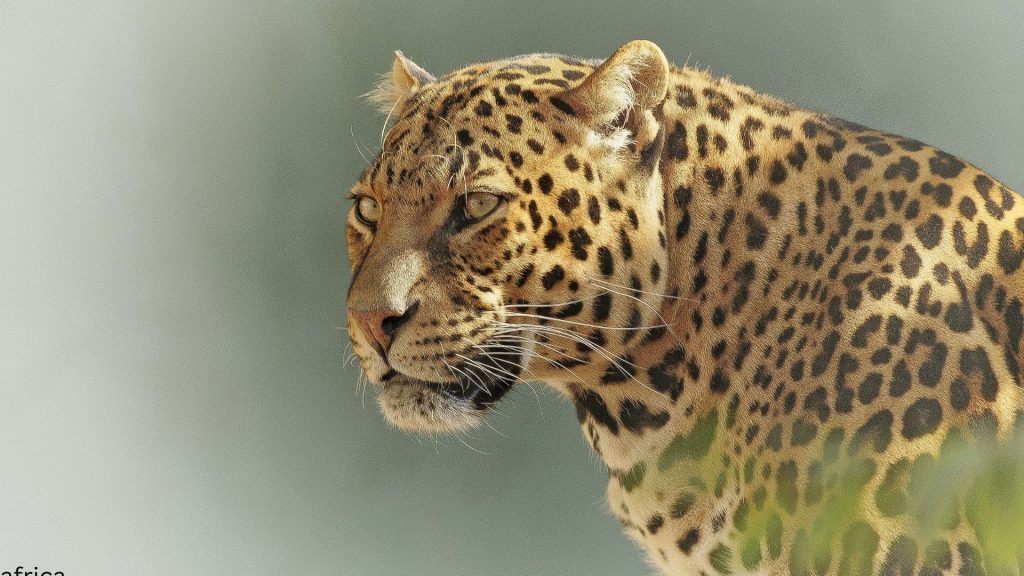
A good pair of binoculars transforms your safari experience. Even when animals are distant, binoculars bring them into stunning detail. You will spot leopards in trees, birds in the canopy, and lion cubs in the grass that you would otherwise miss entirely. A magnification of 8×42 or 10×42 is ideal for safari use.
Camera and Photography Accessories
Tanzania’s wildlife is extraordinary. Whether you shoot on a phone, a compact camera, or a full DSLR with a telephoto lens, bring whatever allows you to capture the moments that matter to you. Pack spare batteries, extra memory cards, and any adaptors you need. A telephoto or zoom lens of 200mm or more is a significant advantage for wildlife photography.
Power Bank
Many game drives and bush camps have limited or no access to mains electricity. A high-capacity power bank keeps your phone, camera batteries, and other devices charged throughout the day. Some safari vehicles have USB charging points, so ask your guide in advance.
Daypack or Small Backpack
For carrying your essentials during game drives, including your water bottle, camera, sunscreen, hat, binoculars, and a light layer. Keep it compact so it fits comfortably between your feet or on your lap in the vehicle.
Health and Safety Essentials for Tanzania Safari
Sunscreen SPF 50 or Higher
Apply generously before heading out and reapply throughout the day. The equatorial sun in Tanzania is stronger than many visitors expect, and sunburn can set in quickly during long hours in an open vehicle.
Insect Repellent
A DEET-based repellent is essential for malaria prevention and general comfort, particularly at dawn and dusk when mosquitoes are most active. Apply it to exposed skin and lightly over clothing as an additional layer of protection.
Malaria Prophylaxis
Consult your doctor or a travel health clinic before your trip regarding appropriate anti-malarial medication. Tanzania is a malaria-risk destination, and taking preventive medication significantly reduces your risk. Begin your course before departure as directed by your doctor.
Personal Medications
Bring any prescription medication in your carry-on luggage, in its original packaging, with enough supply for your full trip plus several extra days in case of unexpected delays.
Hand Sanitiser and Wet Wipes
Useful on long game drives where you will not always have access to running water, particularly before meals or after handling equipment in the bush.
Basic First Aid Kit
Plasters, antiseptic cream, blister pads, anti-diarrhea tablets, antacid, and rehydration sachets cover the most common minor issues that arise on safari. Most lodges carry medical supplies, but having your own kit gives you peace of mind in remote areas.
What NOT to Pack for a Tanzania Safari
Camouflage clothing is illegal to wear in Tanzania and must be left at home. Avoid bright colours such as red, orange, and white, as they disturb wildlife and attract insects. Hard-shell suitcases, excessive jewellery, and aerosol sprays, which are restricted on light aircraft, should all be left behind. As a general rule, only pack what you can comfortably carry yourself.
Quick Safari Packing Checklist
Clothing
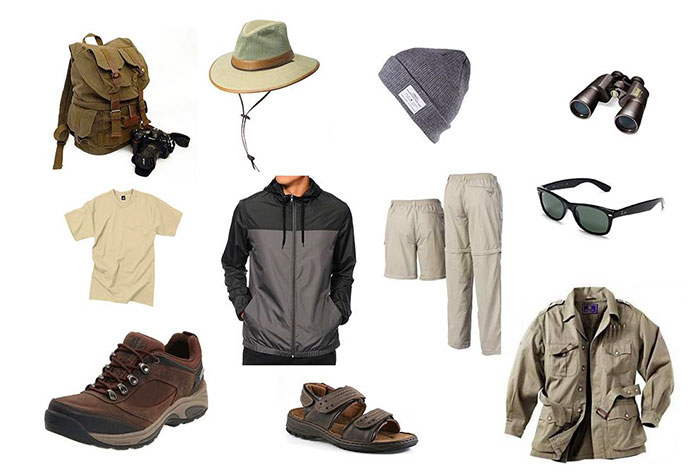
Four to five lightweight neutral-coloured tops, two to three long-sleeved shirts, two to three pairs of lightweight trousers, one warm fleece or jacket, one or two swimsuits, and enough moisture-wicking underwear and socks for your trip plus one spare day.
Footwear and Headwear
Closed-toe walking shoes or hiking boots, lightweight sandals, a wide-brimmed hat or cap, and a bandana or buff.
Accessories
Sunglasses, binoculars, camera and accessories, a power bank, and a small daypack.
Health and Safety
Sunscreen SPF 50 or higher, DEET insect repellent, malaria prophylaxis, personal medications, hand sanitiser and wet wipes, and a basic first aid kit.
Documents
A passport valid for at least six months beyond your departure date, your Tanzania e-visa confirmation printed and saved digitally, travel insurance documents, and your safari itinerary from Kiwoito Africa Safaris.
A Note on Seasonal Packing
Your exact packing needs will vary depending on when you visit Tanzania. During the dry season from June to October, expect dusty conditions and cooler nights, so your warm layer and bandana will get heavy use. During the green season from November to May, a lightweight rain jacket or packable waterproof is a worthwhile addition to your bag. If you have questions about what to bring for your specific itinerary, travel dates, or the parks you will be visiting, the Kiwoito Africa Safaris team is always happy to provide personalised advice.
Ready to Start Planning?
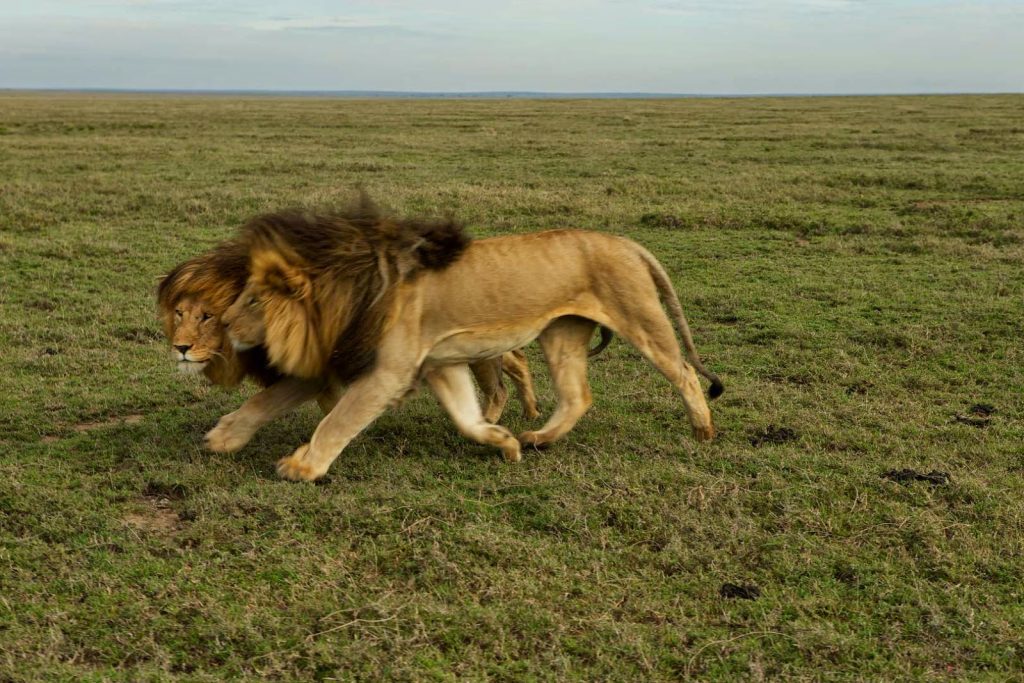
A well-packed bag means you can focus entirely on the experience: the elephants at the waterhole, the lion pride at dawn, the silence of the Serengeti at golden hour. Let us handle the rest.

Travel Documents & Money Guidance For Tanzania
You should always keep copies of your travel documents with you while in Tanzania, at least two of them one in your checked luggage and one in your hand luggage. You should also keep digital copies of your passport pages and other travel documents on your smartphone or tablet. The most important document that you should always be prepared to show to immigration and customs officials is your passport, and your stamped visa if applied prior to arrival.
Other documents include your return tickets, trip itinerary, medical insurance papers, next of kin details and personal medical and dental insurance cards. Most major credit cards are accepted in metropolitan Tanzania, and Visa and MasterCard are the most widely-accepted only in urban cities but with a hefty bank transaction fee and high exchange rate. Very few camps and lodges accept credit card. When carrying cash during your trip, we recommend you bring US dollars. The bills must be the updated design, issued in 2006 or later, perfect and crisp, and completely free of any rip or markings.
Beachwear For Tanzania
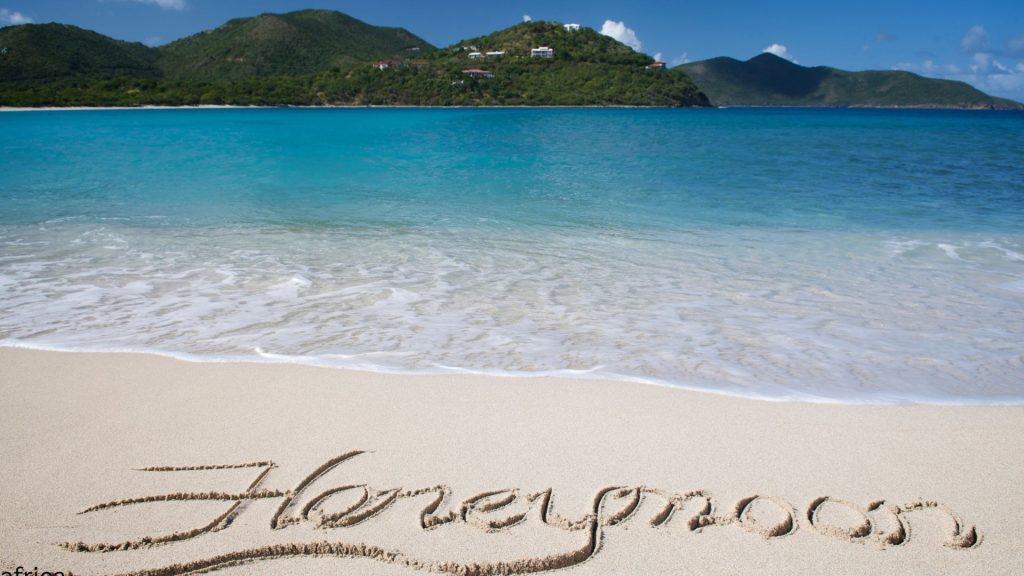
With so many gorgeous beachfront accommodations in Tanzania, you should prepare to spend some time on the coastal beaches or exploring the islands. The beaches in East Africa including Tanzania mainland, Zanzibar, Mafia, Pemba and other Islands do not allow for topless bathing, so you will need to bring appropriate swimwear choices, as well as polo shirts, pants and semi-formal clothing for those romantic evening dinners on the beach.
Tanzania Moral Dress Emphasis
When you travel in Tanzania, you should respect the local customs and beliefs. Tanzanians have very strong beliefs about morality, including proper ways to dress and show respect. When you are visiting local markets, bazaars and other attractions, you should wear either long trousers or knee-length shorts with a polo shirt. Tank tops, shorts or skirts above the knee and other types of clothing that reveal the shoulders or thighs should be avoided. Religious sites, such as mosques, temples, synagogues and churches, require even stricter dress requirements and you may be asked to leave by one of the guards if you are dressed inappropriately based on the local culture and people’s expectations.
Laundry in Tanzania
Most accommodations generally offer free laundry services, and the deluxe and value accommodations generally offer the service at a cost, You should also know that in Tanzanian culture, undergarments are not washed, so you will need to hand wash those items.
Safari Luggage Guidance For Tanzania
Your safari baggage weight restriction on most internal safari flights within Tanzania is 33 pounds or 15 kilograms, per person. If your bag exceeds this limit, you will be charged an additional fee for excess baggage. Most safari flights in Tanzania can be fully booked as the small to large safari aircrafts are allocated based on passenger load for each sector, so to ensure that your excess baggage is allowed on your flight, you should pre-pay the additional fee. Soft-sided, sturdy duffel bags should be used and not hard-sided luggage as your baggage will need to be easily loaded and maneuvered in a small luggage compartment during your air travel. If your Tanzania safari portion does not include any air portion which is not normally the case, you are free to bring in additional luggage up to 44 pounds (20 kg) in soft sturdy bags rather than hard sided suitcases. Excess luggage can also be securely stored at an AfricanMecca Team office or even your hotel in Arusha, Dar es Salaam or Zanzibar while you are on your safari