Combined Kenya and Tanzania Safari
Home » Combined Kenya and Tanzania Safari
Overview
The Mara River runs along the border between Kenya’s Masai Mara National Reserve and Tanzania’s Serengeti National Park. The wildebeest do not stop at the border; the operators usually have to. We are an Arusha based Tanzanian company, and one of the questions we get most often from first time East Africa visitors is whether they should combine the two countries on the same trip, or pick one. The honest answer is: it depends, and most operators will not tell you when one country is enough.
A combined Kenya and Tanzania safari can be the most rewarding two week trip in Africa, or an expensive way to spend half your time in transit. The difference comes down to month, route, and how the border crossing is handled.
Our Popular Safari Packages
Why Combine Kenya and Tanzania at All
The case for combining is specific. The wildebeest migration moves between the Serengeti and the Masai Mara on a roughly annual cycle, and seeing both ends of that cycle is a different experience from seeing one. Each country also has destinations the other does not. Kenya has the Masai Mara, Amboseli (with Mount Kilimanjaro framed in the background), Samburu, and the Laikipia conservancies. Tanzania has the Serengeti, the Ngorongoro Crater, Tarangire, and the southern circuit parks of Ruaha and Nyerere.
When the combination earns its keep. You have at least 12 days on the ground. You are travelling July to October when the migration is in northern Serengeti and Mara. You want both a private conservancy experience (Kenya) and the Serengeti and crater. You have flown long haul and may not return for a decade.
When a single country is smarter. You have 10 days or fewer total. You are travelling outside July to October. You are on a tighter budget where USD 2,500+ in extra logistics is meaningful. You are a first time visitor who would benefit from going deeper in one place rather than skimming across two.
We will say it directly: more than half the clients who initially ask us about a combined safari end up booking just Tanzania once we explain the actual tradeoffs. That does not mean the combined trip is wrong. It means it is right for fewer people than the marketing suggests.
Masai Mara vs Serengeti: What Actually Differs
This is the heart of the question, because both parks contain the same migration on different sides of the same river.
The Masai Mara is roughly 1,510 square kilometres. The Serengeti is 14,750 square kilometres. The Mara is denser, smaller, easier to game drive in a short trip. The Serengeti is vaster, has multiple ecosystems (southern plains, central Seronera, western corridor, Loliondo, northern Lobo, Mara River), and rewards longer stays.
Game viewing density. The Mara wins for sheer concentration, July to October. The Serengeti wins for ecosystem variety and the calving season in January to March, when 8,000+ wildebeest are born per day in the southern Serengeti and Ndutu.
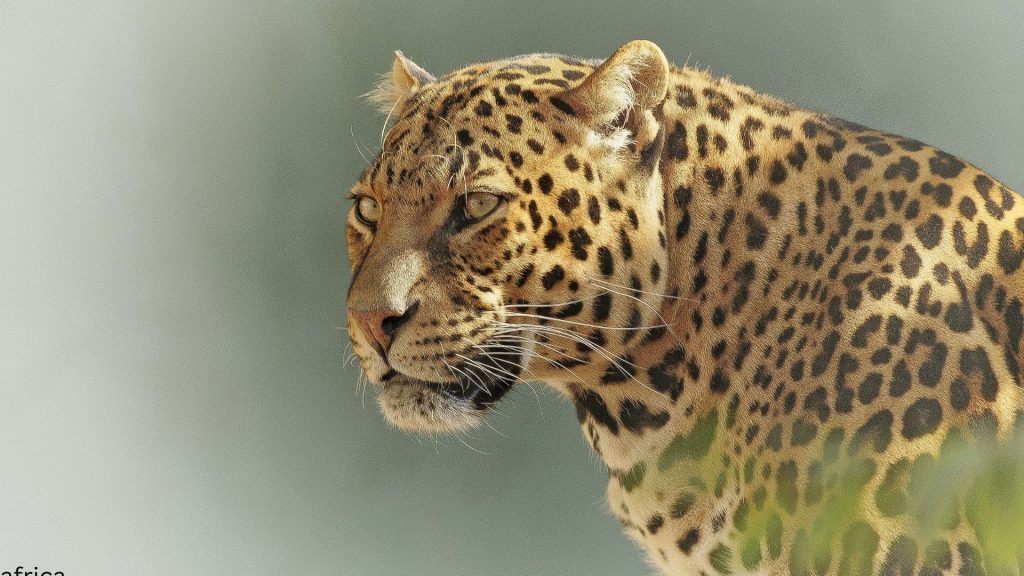
Vehicles per sighting. In peak Mara season, a leopard or cheetah can attract 25 to 40 vehicles within twenty minutes. The Serengeti sees similar density only in central Seronera. Private conservancies bordering the Mara (Mara North, Olare Motorogi, Naboisho) limit vehicles per sighting to five and are where serious Mara visitors stay.
Mara River crossings. Late July through September, on both sides. The Tanzania side gets fewer vehicles. Both work; neither guarantees a crossing on a given day.
Lodging. Kenya’s top conservancies (Saruni Mara, Mara Plains Camp, Angama Mara) tend to run higher per night than equivalent Serengeti camps because they include conservancy fees. Tanzania’s mobile camps (Olakira, Lemala Mara, Sayari) are competitive at the same level.
If you combine, the right move is two to three nights in a Kenyan conservancy and four to five nights spread across the Serengeti.
How the Combined Trip Actually Works
The logistics are not as smooth as the brochures suggest.
Route 1: Fly In, Both Countries
Most reliable. Fly into Nairobi (NBO), spend a night, transfer to Wilson Airport for a light aircraft to a Mara airstrip. Three to four nights in Kenya. Then a flight from the Mara via Nairobi to Kilimanjaro International Airport (JRO) or direct to a Serengeti airstrip if connections align. Three to five nights in Tanzania. Fly out from JRO.
Pros: saves two to three days of road transit, avoids border crossings, lets you stay in remote camps. Cons: most expensive. Internal flights add USD 1,200 to USD 2,000 per person. Light aircraft luggage limit typically 15 kilos in a soft bag.
Route 2: Land Crossing at Isebania or Namanga
Some operators sell a land based combined safari. The two main crossings are Isebania (between western Kenya and Tarime) and Namanga (between Nairobi and Arusha).
Pros: cheaper than flying. Cons: a Mara to Serengeti land transfer takes seven to nine hours including the border. Border processing on a bad day takes two hours. Kenya registered vehicles cannot enter Tanzania and vice versa, which means changing vehicles. Most luxury combinations are now done by air.
Route 3: Tanzania First, Then Kenya
Same logistics as Route 1 in reverse. The migration moves clockwise: south Serengeti to west to north to Mara to back south. March or April: starting in Tanzania makes sense. August or September: starting in Kenya often makes more sense.
Our preferred shape: fly in, both ways. Three nights Mara conservancy, two nights Amboseli, internal flight to Tanzania. Three nights central or northern Serengeti, one night Ngorongoro rim, one night Tarangire, fly out from JRO. Twelve nights total.
Honest Migration Timing for 2026
The migration is the single biggest reason most people combine. Here is where the herds typically are, month by month.
January to early March: southern Serengeti and Ndutu. Calving season. About 8,000 wildebeest born per day for two weeks at peak. Tanzania only.
March to May: long rains. The herds disperse and move north and west through central Serengeti. Many camps close. We do not run combined trips in this window.
June to July: herds move into the western and northern Serengeti. Grumeti River crossings happen here.
Late July to early October: Mara River crossings. Herds bounce between northern Serengeti and the Masai Mara. The classic combined trip window.
October to November: herds drift back south through Loliondo and central Serengeti. The “small rains” can disrupt movement.
December: herds return to southern Serengeti and Ndutu, completing the loop.
For a combined Kenya and Tanzania trip, late July to mid October is the only window where both countries genuinely show you the migration. Outside that, you are paying double the logistics cost to see fewer wildebeest.
How to Decide: Combined, Tanzania Only, or Kenya Only
Three honest answers will tell you which one fits.
Time available. Less than 10 days, choose one country. The combination eats two days in transit alone. 10 to 12 days, lean Tanzania only, with our 10 days Tanzania + Kenya safari as the borderline case. 12 to 16 days, the combination starts making sense, especially with our 12 days Tanzania + Kenya migration safari.
Travel month. July to October, combined makes sense. November to June, Tanzania alone is almost always the better trip.
Travel style. If you want private conservancies (off road driving, walking safaris, night drives, fewer vehicles), Kenya delivers these in ways Tanzania’s national parks legally cannot, and the Mara conservancies are where the combination earns its keep. If you want sheer scale, varied ecosystems, the Ngorongoro Crater, and a Zanzibar beach extension, Tanzania alone wins.
What we honestly recommend for first time visitors. A 10 day Tanzania trip covering Tarangire, Lake Manyara, Ngorongoro, and three to four nights in different parts of the Serengeti, optionally extended with Zanzibar. More wildlife per dollar, less transit, better introduction to East Africa. Save Kenya for a second trip when you can do it justice.
Why Travel With Kiwoito Africa Safaris
We are a TATO member operator (Tanzania Association of Tour Operators), licensed by the Tanzania Tourist Board and accredited by TANAPA. Our office is on Fire Road in Arusha, with 200+ verified five star reviews on Tripadvisor and listings on Trustpilot, Safaribookings, and Petit Futé. For combined Kenya and Tanzania trips, we partner with a long established Kenyan operator we have worked with for years. Both legs of your trip are coordinated from our Arusha office.
Our founder, Charles Moses, has worked in Tanzania tourism for more than 15 years. Our lead northern circuit guide, Abuu, has guided the Serengeti for over a decade.
Our Tanzania fleet is Toyota Land Cruiser 4x4s with pop up roof, guide hatch, three row seating with one window per guest, charging ports, drinks fridge, and air intake snorkel. Our Kenyan partner uses comparable vehicles. We do not run vehicles older than five years on either side of the border.
What we cover end to end: combined Kenya and Tanzania itineraries, Tanzania honeymoon safaris, Tanzania luxury safaris, Mount Kilimanjaro climbs through our trekking operation, and Zanzibar Island beach holidays as extensions.
When something goes wrong on a combined trip, you have a single team handling it across both countries. If your Mara flight is delayed and you miss the Tanzania connection, we coordinate with both operators to fix it.
Ready to Plan Your 2026 Combined Safari
If you are travelling July to October 2026, the better Mara conservancy camps and Serengeti mobile camps are filling up nine to twelve months in advance. Combined trips are operationally complex; we appreciate at least four months of lead time to coordinate properly across both countries.
You can request a custom combined safari quote and we will reply within 24 hours, usually faster, with a draft itinerary, current camp availability for your dates, and an honest cost breakdown that includes both countries’ park fees. We are based in Arusha, on Tanzania time (GMT+3).
Whatever you decide, get the timing question right. The migration does not negotiate, the border crossings do not get faster, and the difference between a combined trip booked well and one booked badly is the difference between two extraordinary weeks and an exhausting two weeks.