Tanzania Safari Great Migration 2026
Home » Tanzania Safari Great Migration 2026
Introduction
Every year, around 1.5 million wildebeest, roughly 300,000 zebra, and several hundred thousand gazelle move in a slow, restless circle through the Serengeti and Mara ecosystem. They are not lost. They are not confused. They are following rain.
What people call the Great Migration is really just hungry animals walking toward the next patch of green grass. But the scale of it, and the rivers and predators they have to cross to get there, is what makes it the most watched wildlife event on the planet.
We are based in Arusha and we run safaris into the Serengeti most weeks of the year. This guide is what we actually tell our clients when they call us asking, “When should we come in 2026?” No fluff, no vague promises about the trip of a lifetime. Just where the herds are likely to be, when, and how to plan around it.
What Actually Happens During the Great Migration
The migration is not a single event. It is a continuous, year round movement shaped by rainfall patterns across roughly 30,000 square kilometres of the Serengeti, Ngorongoro Conservation Area, and Kenya’s Maasai Mara.
The herds move clockwise. South in the short rains of November, lingering on the southern plains through the calving in February, drifting northwest by April and May, crossing the Grumeti in June, hitting the Mara River from July through September, then turning back south as the short rains return.
Two things confuse first time visitors. First, the migration is always somewhere in the Serengeti. There is no off season where the wildebeest disappear. Second, the famous river crossings are dramatic but unpredictable. A herd might mass on the riverbank for two days and never cross. Another might cross at 6:47 AM with no warning. Anyone promising you a guaranteed crossing is either lying or has never been there.
What we can do is put you in the right region at the right time, with a guide who reads the herds and the river, and give you the best statistical shot at seeing it.
Month by Month: Where the Migration Will Be in 2026
January to March: Calving Season in the Southern Serengeti and Ndutu
This is the season most people overlook, and we think that is a mistake.
From late January through mid March, the herds gather on the short grass plains around Ndutu, Lake Masek, and the southern Serengeti. The grass here is rich in calcium and phosphorus from old volcanic ash, which is exactly what pregnant wildebeest need. In a roughly three week window, around 400,000 to 500,000 calves are born. Sometimes 8,000 in a single morning.
For predators, this is the easiest hunting of the year. We routinely see cheetah on kills before breakfast, lion prides fat and lazy, and hyenas trailing the herds from one birthing ground to the next. Photographers love this season because the light is good, the backgrounds are open and uncluttered, and the action is concentrated in a relatively small area.
Where to stay: Ndutu Safari Lodge for traditional comfort and unbeatable location, Lake Masek Tented Camp for a more remote feel, or one of the seasonal mobile camps that follow the herds (Asilia’s Olakira and Lemala Ndutu both move with the migration).
Best for: Photographers, families, repeat safari goers, and anyone who wants drama without the Mara River crowds.
April to May: The Long Rains and the Western Push
April and May are the long rains. Many camps close. Roads turn to deep red mud. The herds drift northwest from Ndutu through the central Seronera valley toward the Western Corridor.
We will be honest. We do not actively sell migration safaris in April. The wildlife is still there, but afternoon storms can wipe out a game drive, and some river crossings on the access roads become impassable. If you are budget conscious and willing to gamble on weather, you will get the lowest rates of the year and the emptiest parks you will ever see in the Serengeti. If you have a tight schedule and fixed expectations, come another month.
By late May, things dry out. The herds are moving fast through the central Serengeti, and the columns can stretch for kilometres along the Seronera and Mbalageti rivers.
June to July: The Grumeti River Crossings
The Grumeti is the migration’s overlooked first hurdle. By mid June, the leading wildebeest reach the western corridor, and they have to cross the Grumeti River to continue north.
The Grumeti crossings are smaller and more spread out than the Mara River crossings, but they are arguably more terrifying. The Grumeti holds some of the largest crocodiles in Africa. Some of them are over 80 years old and the size of small cars. They have spent the dry season barely eating, waiting for exactly this moment.
The crossings here happen at multiple points along the river over several weeks, which means lower tourist density. If you want a river crossing experience without the Mara crowds, late June through mid July in the Western Corridor is a strong choice that experienced safari goers tend to recommend.
Where to stay: Kirawira Serena Camp, Mbalageti Serengeti, or Singita Grumeti for the high end private concession experience.
August to September: The Mara River Crossings (Peak Season)
This is what most people picture when they hear Great Migration. Massed wildebeest on the riverbank. Dust. The lead animal hesitating, then plunging. Crocodiles surging. The herd thundering across.
From late July through mid October, the herds are concentrated in the Northern Serengeti, with crossings happening back and forth across the Mara River. They cross north into Kenya, graze, then cross back south as conditions change. A single herd may cross the river three or four times in a season.
The most reliable crossing points are between Kogatende and Lamai, on the Tanzanian side. We position our clients at camps in this area and start the day before sunrise. The crossings often happen between 9 AM and 1 PM, but you have to be in position.
Honest planning note: August and September are peak season. Park fees are at their highest, every good camp books out 9 to 12 months in advance, and crossings can attract 30 or more vehicles. If you want this experience in 2026, you should be booking by early 2026 at the latest. We turn away clients every year who wait until June.
Where to stay: Sayari Camp (Asilia), Lamai Serengeti (Nomad), Serengeti Mara Camp, or one of the migration specific seasonal camps that move into the Kogatende area for these months.
October to November: The Return South
By mid October, the short rains start to fall in the southern Serengeti, and the herds begin the long walk back. October is a transitional month. Some animals are still in the north, some are spread through the central Serengeti, and predator action is high because the herds are dispersed and vulnerable.
November is one of our favourite under the radar windows. Park fees drop, camps reopen at lower rates, and the central and eastern Serengeti come alive as the herds pass through. You will not see a Mara crossing in November, but you will see resident lion prides at full strength and elephants in the Tarangire region in spectacular numbers.
December: Settling into the South
By mid December, most of the herds are back on the southern plains around Ndutu and the Salei plains. They are pregnant. They are eating. They are waiting to give birth. And the cycle starts again.
Realistic 2026 Itineraries
Here is how we actually structure migration trips. These are starting points. Every safari we run is built around a specific client, dates, and budget.
7 Day Migration Focused Safari
Best for travelers with limited time who want to see the migration without compromising on game viewing elsewhere.
- Day 1: Arrive Kilimanjaro Airport, overnight in Arusha (Rivertrees Country Inn or similar)
- Days 2 and 3: Tarangire National Park for elephants, baobabs, and lower park fees
- Day 4: Drive to the Serengeti via Ngorongoro
- Days 5 and 6: Serengeti, with the region depending on month (Ndutu in January through March, Northern Serengeti for Mara crossings in August and September)
- Day 7: Ngorongoro Crater, return to Arusha or fly out
10 Day Migration and Big Five Safari
The trip we most often recommend. Enough time to follow the herds without rushing, plus a full day in the Crater and time in Lake Manyara for the tree climbing lions and the flamingos.
Fly in Migration Safari with Hot Air Balloon
For travelers who prefer to skip the long road transfers. We fly you directly into the relevant Serengeti airstrip and include a sunrise balloon ride over the herds, ideally during peak migration months when the visual impact is greatest.
Honeymoon Migration Safari
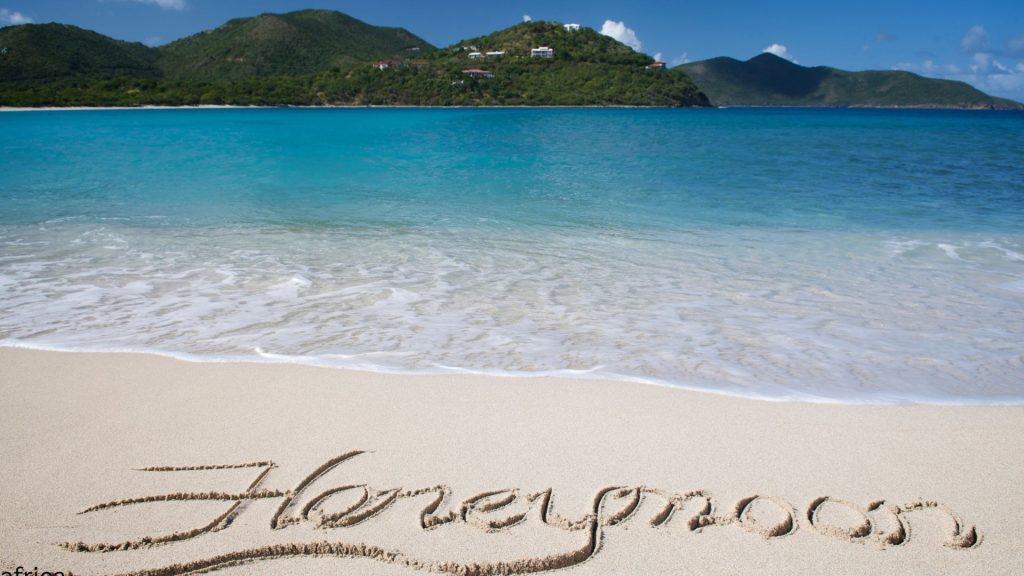
A more private structure with luxury tented camps, in room dining options at certain lodges, sundowners at the migration viewpoint, and a beach extension to Zanzibar at the end. Many of our honeymoon clients combine the calving season with Zanzibar in February.
How to Decide When to Come
If you ask us what is the best month, here is how we actually answer.
You want river crossings. Come in August or early September. Book by early 2026.
You want predator action and photography. Come in February for the Ndutu calving. The light is better and the action is closer.
You want fewer tourists and lower prices. Come in November. The herds are returning south and the central Serengeti is wide open.
You want a once in a lifetime trip and money is not the main constraint. Come in late August or early September, fly in, stay at a top tier camp in the Kogatende region, and add a private guide.
You have only a week and want to see everything. Be honest with yourself. You will see plenty, but you will not see all of it. Pick one phase and commit.
What 2026 Actually Costs
We will not quote you specific prices in a blog post because they shift with park fees, fuel, and the lodge’s own rates. But for a frame of reference, in 2026 our migration focused safaris generally fall into these tiers.
- Mid range (comfortable lodges, shared crossings): the entry point for most international travelers
- Luxury (boutique camps, fewer guests, premium guides): roughly double mid range
- Ultra luxury (private concessions, fly in, exclusive game drives): roughly four to five times mid range
Park fees in 2026 are TZS denominated but charged in USD at the gate, and they are non negotiable. A single day in the Serengeti carries park fees of around USD $80 or more per adult plus vehicle and camping fees, so a 7 day safari will have several hundred dollars per person in park fees alone before any lodge or vehicle cost.
If a quote feels suspiciously cheap, ask the operator to itemize park fees. That is usually where corners get cut.
Why Travel With Kiwoito Africa Safaris?
We are based in Arusha, a 90 minute drive from Kilimanjaro Airport and the gateway to Tanzania’s northern circuit. Our guides are Tanzanian, most have been guiding for over a decade, and they speak directly to the rangers in each park to get real time herd updates while we are on the road. We are members of the Tanzania Association of Tour Operators (TATO) and licensed by the Tanzania Tourist Board.
We do not own lodges, which means we have no incentive to send you to a camp that does not fit your trip. We work with everything from solid mid range tented camps to the high end private concessions, and we will tell you honestly which option makes sense for your dates and budget.
We also keep our group sizes small. Most of our migration safaris are private. Just you, your guide, and a custom equipped 4×4 with pop up roof, charging ports, and a fridge full of cold water. No 14 person minibuses.
If you are starting to think seriously about a 2026 Great Migration trip, the best next step is to send us your rough dates and group size. We will come back to you with two or three honest options, no pressure, and a clear price breakdown including park fees.