Tanzania Safari With Arabic Speaking Guide
Home » Tanzania Safari With Arabic Speaking Guide
Introduction
Arabic is the fifth most spoken language in the world, with roughly 400 million native speakers, and Tanzania receives a growing number of visitors from the Gulf states, Jordan, Egypt, and the wider Arab world every year. Most of those travelers arrive in Arusha having already done significant research in English, but they often reach the same question at the end of it: will there be someone in the vehicle who actually speaks Arabic?
The answer, when you travel with us, is yes. And that matters more than it might first appear.
A safari guide is not simply a driver who points at animals. Over the course of six or seven days in the bush, your guide is explaining animal behavior, reading the landscape, translating what park rangers are saying at the gate, managing lodge logistics on your behalf, and answering the questions your family asks as the day unfolds. If that conversation is happening through a language barrier, you lose a significant part of what you came for. Wildlife knowledge delivered in fragmented English to someone whose first language is Arabic is not the same experience as the same knowledge delivered fluently, with the right vocabulary, in your own language.
We are Kiwoito Africa Safaris, based on Fire Road in Arusha. This page covers what Arabic speaking travelers specifically need to know about planning a Tanzania safari: the practical logistics around halal food and prayer, which destinations work best, what honest pricing looks like, and what questions to ask any operator before you confirm a booking.
Why Language Matters on Safari, Specifically
Most Tanzania safari operators will tell you they can arrange an Arabic speaking guide. Fewer can tell you the guide’s name, their years of field experience, which parks they work in, or the dialect of Arabic they speak. Those details matter.
Tanzania’s northern circuit covers roughly 650 kilometres of driving across Tarangire, Lake Manyara, the Ngorongoro Conservation Area, and the Serengeti. During that journey your guide will identify species by scientific and common name, explain predator prey dynamics, describe the geology of the Rift Valley escarpment, interpret animal tracks and vocalizations, and manage communication with TANAPA rangers, lodge staff, and other vehicles. None of that is background noise. It is the substance of the safari.
Our Arabic speaking guides are TANAPA certified, have completed the Tanzania Wildlife Research Institute guide training programme, and work the northern circuit with a minimum of eight years of field experience. They can explain why a cheetah prefers open grassland over woodland edges, what the age of an elephant can be estimated from by its ears and tusks, and why the wildebeest migration follows the rain rather than the river. That kind of depth requires both genuine wildlife knowledge and the language to convey it clearly.
We also want to be direct about something: guide language fluency is not a luxury category. It is relevant to every part of your day. From the morning briefing before a game drive to the dinner conversation about what you saw, the quality of that communication shapes the entire experience. We recommend that any Arabic speaking traveler ask prospective operators for the guide’s name and WhatsApp number before booking, so you can have a brief conversation and confirm the quality for yourself.
Halal Food on a Tanzania Safari: The Practical Reality
This is the question we receive most often from Arab travelers, and it deserves a genuinely honest answer rather than a reassuring marketing claim.
Tanzania is a majority Muslim country. Approximately 35 percent of the population is Muslim, and in coastal regions including Zanzibar that figure rises above 95 percent. Halal meat is not difficult to source in Arusha. The challenge arises inside the national parks, where accommodation is more remote and food supply chains are longer.
Here is what we can reliably guarantee and where the honest limitations lie.
What we can guarantee: All camp and lodge meals on our Arabic speaking guide itineraries are arranged in advance with halal meat confirmed from the supplier. We carry this request through from the initial booking to the final lodge briefing. Alcohol is never included in the food service for these itineraries unless explicitly requested. We confirm prayer times for each day of travel based on the park location and the Islamic Society of North America or Umm al-Qura calendar depending on the client’s preference.
Where it gets more complicated: Remote fly camps and ultra luxury mobile tented camps in the western Serengeti corridor, including properties like Singita Sabora or Roho ya Selous, source their food differently from permanent lodges. Full halal certification at these properties requires advance coordination of four to six weeks, and even then the confirmation is from the lodge manager rather than a certifying body. We tell clients this honestly. If full halal certification from an independent body is a hard requirement, we build the itinerary around lodges where we can confirm that standard reliably, including several mid range and luxury permanent camps in the central Serengeti around Seronera and in the Ngorongoro highlands.
Prayer logistics: Prayer times in Tanzania’s northern parks fall at practical intervals during a safari day. Fajr is typically before the morning game drive departs. Dhuhr and Asr can be observed at the vehicle in the field, which is normal and unremarkable. Maghrib coincides closely with the return from the evening game drive, and Isha falls after dinner at camp. We plan the day around these rhythms. There is no tension between a full safari schedule and the five daily prayers when the itinerary is designed with that in mind from the beginning.
Which Tanzania Safari Destinations Work Best for Arab Families
The Northern Circuit: The Right Foundation
For most Arabic speaking families visiting Tanzania for the first time, the northern circuit is the correct choice. It is the most logistically reliable, has the widest range of accommodation options across budget levels, and concentrates the country’s iconic wildlife in a manageable driving loop.
Tarangire National Park, roughly 120 kilometres southwest of Arusha, is where we often begin. The Tarangire River holds water year round and draws enormous concentrations of elephant, especially between June and October when the surrounding bush dries out. Herds of 80 to 200 individuals are common. The park is often overlooked in favor of the Serengeti, but we consider it one of the finest safari experiences in East Africa for first time visitors. The landscape is distinctive, open savannah interspersed with ancient baobab trees and riverine forest along the Tarangire River banks.
Lake Manyara National Park is a half day park, best visited as an afternoon stop rather than a full destination. The soda lake holds flamingos in the thousands depending on season. The groundwater forest along the escarpment edge is excellent for primate watching: olive baboon, vervet monkey, and blue monkey are all reliably present. The tree climbing lions for which the park is famous are genuinely unusual behavior and worth the park entry fee even if you do not always find them.
Ngorongoro Crater is a collapsed volcanic caldera, 260 square kilometres of enclosed grassland with around 25,000 large mammals including the highest density of lions in Africa and one of the last viable black rhino populations on the continent. The descent road is narrow and the crater floor becomes busy between 10 a.m. and 2 p.m. We descend at 6:30 a.m. to give our clients the floor largely to themselves in the early morning. The crater rim lodges have some of the most dramatic settings of any accommodation in Tanzania, looking down into the caldera with Kilimanjaro occasionally visible on clear mornings 200 kilometres to the east.
The Serengeti needs more than a day. We recommend a minimum of two nights in the central Serengeti around Seronera to see the resident wildlife reliably. The northern Serengeti around Kogatende is where the Mara River crossings happen between July and October, with wildebeest and zebra forcing crossings under the attention of waiting crocodile and lions on the opposite bank. That is a specific seasonal experience and worth planning a trip around if dates allow.
Zanzibar: The Natural Add-On
For Arab families, Zanzibar is a particularly fitting extension to a northern circuit safari. The island was a major center of Arab trade and influence from the ninth century onward, and that history is still visible in Stone Town’s architecture, its food culture, and the predominance of Islam across the island. Arabic phrases are understood by most older residents. The food is naturally halal throughout the island. Mosques are a practical and unremarkable part of daily life.
Three to four days in Zanzibar after a bush circuit is the standard routing. Domestic flights from the Serengeti airstrips or from Arusha Airport (ARK) to Zanzibar take around one hour. The northeast beaches at Nungwi and Kendwa have calm water for most of the year and good options for families. Stone Town is worth a full day of walking, particularly the old Arab Fort, the Palace Museum, and the Darajani market.
Which Safari Style is Right for Your Group
Private Safari: The Standard for Arab Families
We recommend private safari exclusively for Arabic speaking families and groups. A private vehicle means no compromise on timing, no strangers in the vehicle, and the freedom to stop as long as you want at any sighting. It also means your guide is focused entirely on your family’s experience rather than managing a group’s differing preferences.
Private safaris also allow complete flexibility on prayer timing. In a shared group vehicle, stopping for prayer requires agreement from everyone. In a private vehicle, the schedule is yours.
Group Joining Safari: When It Makes Sense
Group joining safaris place your party in a shared vehicle of up to six passengers with other travelers. The per person cost is significantly lower than a private safari. For a solo Arabic speaking traveler who speaks reasonable English and wants the company of other travelers, a joining safari is a practical option. For families or for travelers who want full Arabic language immersion throughout the trip, it is not the right choice: the guide in a mixed group will default to English for common communication.
Luxury vs. Mid Range: An Honest Assessment
The price difference between mid range and luxury accommodation in Tanzania is real and substantial. A Tanzania luxury safari staying at properties like Lemala Ngorongoro, Four Seasons Serengeti, or Elewana Sand Rivers runs from USD 800 to USD 1,500 per person per night on a full board basis. A well run mid range circuit using permanent tented camps with en suite facilities and good food runs from USD 250 to USD 450 per person per night.
The question to ask is not which tier has the best animals. The wildlife is in the parks, not in the lodges. The question is what you want your evenings and meals to feel like. For families with children or travelers who want reliable comfort after a long day in the field, mid range permanent camps deliver everything necessary. The premium tier adds elegance, private pools, and larger spaces, but the game drives are identical.
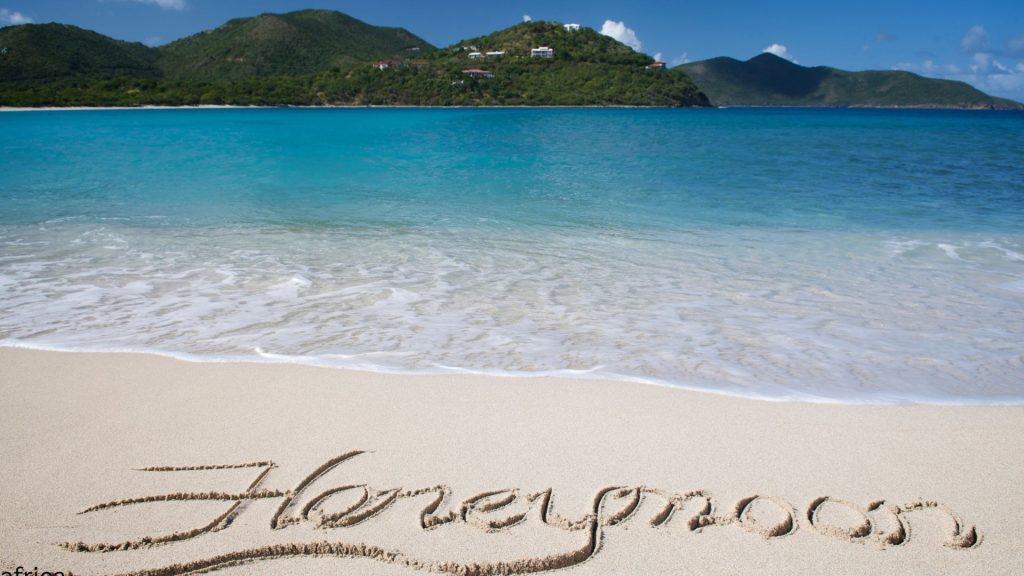
We also offer dedicated Tanzania family safari itineraries and Tanzania honeymoon safari packages for couples who want a more intimate experience. Both are built as private itineraries and can be fully adapted for halal requirements.
Honest Pricing for an Arabic Speaking Guide Safari
An Arabic speaking private guide is arranged as a specific service and may carry a modest additional fee above a standard English speaking guide rate, reflecting the specialization. We are transparent about this in all our quotes.
A realistic total cost for a seven day private northern circuit safari with an Arabic speaking guide, mid range accommodation for two adults, including all park fees, transfers, and full board, runs from approximately USD 7,000 to USD 10,000 for the couple. Park fees alone account for USD 70 to USD 80 per person per day in the Serengeti and Ngorongoro.
Luxury itineraries for the same duration start from around USD 14,000 for two adults and scale upward depending on lodge selection.
For families of four traveling with two adults and two children, the cost per head decreases as the vehicle cost is shared across more passengers, while children under five are exempt from most TANAPA park fees and those under twelve receive reduced rates.
All our quotes are fully itemised. Park fees, guide fee, accommodation, vehicle and fuel, and government VAT at 18 percent are listed separately so you can compare accurately against any other operator’s proposal. We also offer a tailor made safari service for groups with very specific routing or scheduling requirements.
Why Travel with Kiwoito Africa Safaris
We are a TATO registered, Tanzania Tourist Board licensed operator based on Fire Road in Arusha. Our Arabic speaking guides are TANAPA certified field professionals, not translators seconded from a hotel front desk. They know the Serengeti by zone, know individual lion prides in the Seronera area by sight, and have the field experience to find wildlife in the hours and locations that less experienced guides miss.
We are physically in Arusha. When you send us a question about your itinerary, prayer timing, halal meal confirmation, or a last minute change, someone on our team responds in the same time zone as the parks you will visit. That responsiveness is not a feature of booking through an overseas platform.
Our vehicles are purpose built 4×4 Land Cruisers with full pop up roofs, individual seating for up to six passengers, refrigerated cool boxes, charging points, and first aid kits. They are serviced before every multi day departure. We do not use minivans or converted saloon vehicles on the northern circuit.
We hold a 5.0 rating across 200 plus TripAdvisor reviews and 4.9 across 100 plus Google reviews. Read the detail in individual reviews rather than the aggregate score. Clients consistently reference named guides, specific sightings, and specific problems our team resolved. That kind of review comes from genuine operational experience across many trips and many different travelers.
For Arabic speaking clients specifically, we have managed halal meal coordination, prayer scheduling, and family privacy requirements on safari successfully across many itineraries. We understand what these requests involve in practice, not just in a checklist. Browse our Tanzania safari blog for detailed destination and planning guides, and our what to pack for your safari page for practical pre-departure preparation.
Plan Your Tanzania Safari in Arabic
If you would like to discuss your Tanzania safari in Arabic, or receive a detailed itinerary proposal with halal meal confirmation, prayer logistics, and private vehicle arrangements, contact us directly.