Tanzania Safari With Chinese Speaking Guide
Home » Tanzania Safari With Chinese Speaking Guide
A safari is a guided experience. The wildlife is the headline, but the guide is what determines whether you understand what you are seeing, what you remember when you get home, and whether you book another trip ten years later. For Chinese speaking travellers, the question of language fluency in the guide is not a small detail. It is the difference between a guided safari and a guided tour where half the explanation is missing.
Many Tanzania safari operators advertise “Chinese speaking guides.” Many of those guides actually speak conversational Mandarin and run the technical safari content in English. There is a real difference between a guide who can manage a Chinese dinner conversation and a guide who can explain wildlife behaviour, predator strategies, geological history, and Maasai cultural context fluently in Mandarin during a long game drive.
We are Kiwoito Africa Safaris (基沃伊托非洲狩猎旅行社), based in Arusha. We run safaris with genuinely fluent Mandarin speaking guides for travellers from mainland China, Hong Kong, Taiwan, Singapore, Malaysia, and the wider Chinese diaspora. This page is what we tell our Chinese speaking clients when they email asking how a Tanzania safari in Mandarin actually works.
If you are a Chinese speaking traveller searching for 坦桑尼亚 Safari 中文导游, or if you have Chinese speaking parents or family members joining your trip, this page will tell you honestly what we offer, how our Mandarin language guiding actually works, and what to ask any operator before you book.
The Real Difference Between “Speaks Chinese” and “Chinese Speaking Guide”
Many Tanzania safari operators list “Chinese speaking guides” on their website. The reality varies widely. Here is the honest spectrum we have seen across the industry.
Conversational Mandarin only. The guide knows greetings, basic safari vocabulary in Mandarin, and can manage simple exchanges. Wildlife and geography explanations remain in English with Mandarin summaries. This is what is actually delivered when most operators say “we have Chinese speaking guides.”
Functional bilingual. The guide can run a full game drive in Mandarin including the standard wildlife explanations, but technical or specialised conversations (geology, behavioural ecology, complex cultural context) drift back to English when the topic gets deep.
Fluent bilingual. The guide is genuinely fluent in Mandarin, often having either studied in China or spent significant time in Chinese speaking environments. The full safari experience can be delivered in Mandarin at any depth the traveller wants. This level is rare in Tanzania and worth specifically requesting.
Kiwoito Africa Safaris has fluent Mandarin speaking guides on staff and we allocate them specifically to Chinese speaking groups. We are honest about which level of fluency you get with each guide, and you can ask before booking. We will not assign you a “knows some Mandarin” guide if you have asked for fluency.
Why Chinese Speaking Travellers Choose Kiwoito Africa Safaris
We have been running Tanzania safaris for Chinese speaking travellers for years. The Chinese outbound travel market to Africa has grown significantly, and Tanzania consistently ranks among the most popular African destinations for Chinese travellers because of the wildlife, the Kilimanjaro climb, and the long historical relationship between China and Tanzania going back to the construction of the TAZARA railway in the 1970s. We have built specific competence in serving this audience.
Genuinely Fluent Mandarin Speaking Guides
Our Mandarin speaking guides are East African with deep Tanzania experience and real Chinese language fluency. Several of them have studied in China at universities, completed Chinese language certification programmes, or worked previously with Chinese tourism partners. They speak the language well enough to handle complex wildlife discussions, cultural conversations over dinner, and the small jokes and expressions that make a guide feel like a friend rather than a service provider. They also understand Chinese tea culture, dining etiquette, and the importance of group dynamics on a multigenerational family trip.
When a Chinese speaking group books with us, we allocate the guide based on availability, group size, and any specific interests. For honeymoon couples or small private groups, we always send a fluent Mandarin speaker. For larger groups including multigenerational families, we may pair a fluent Mandarin guide with a strong English speaking assistant guide who can support specific aspects.
A Real Track Record With Chinese Speaking Travellers
We currently hold a 5.0 average rating on TripAdvisor with more than 200 reviews and 4.9 on Google with more than 100 reviews. A meaningful share of our reviews come from Chinese speaking travellers. We are also active on platforms that matter to the Chinese audience including Mafengwo (马蜂窝), Ctrip, and TripAdvisor’s Chinese language version.
Bilingual Communication Throughout the Booking Process
The Chinese speaking experience does not start when you arrive in Arusha. It starts when you send your first email or WeChat message. We have Mandarin speaking team members in our office who handle the entire booking process in Chinese if you prefer: WeChat conversations, email exchanges, itinerary discussions, quotes in CNY or USD, payment arrangements, pre trip briefings, and post trip follow up. We can also accept payment via the channels Chinese travellers actually use, including international wire transfers and selected digital payment systems.
A booking made in your language is a booking made correctly. (用您的语言完成的预订才能被正确执行。)
East African Expertise, Not Just Language Skills
A Mandarin speaking guide is only valuable if the underlying safari knowledge is also strong. Our guides have years of experience in Tanzania’s parks, are licensed by the Tanzania National Parks Authority (TANAPA), and continue ongoing training. They are good guides who happen to speak Mandarin, not Mandarin speakers who happen to be guides.
For specialised interests including photographic safaris, birding safaris, and family safaris with children, we match Chinese speaking travellers with Mandarin speaking guides who also have those specific competencies.
Honest Planning, Not Hard Selling
We listen to your dates, your group, and what matters to you. We come back with two or three honest options. We do not pad your itinerary with extra parks just to inflate the quote, and we do not push you toward our most expensive lodges if a mid range option suits you better.
Chinese speaking travellers often ask us very specific and well researched questions during planning. We welcome this. Detailed quotes that itemise park fees, lodge rates, vehicle costs, guide fees, and any extras are how we work by default.
Why a Mandarin Speaking Guide Genuinely Improves Your Safari
If you are still deciding whether to pay extra for a fluent Mandarin guide rather than accepting a “speaks Chinese” guide, here is what actually changes during the trip.
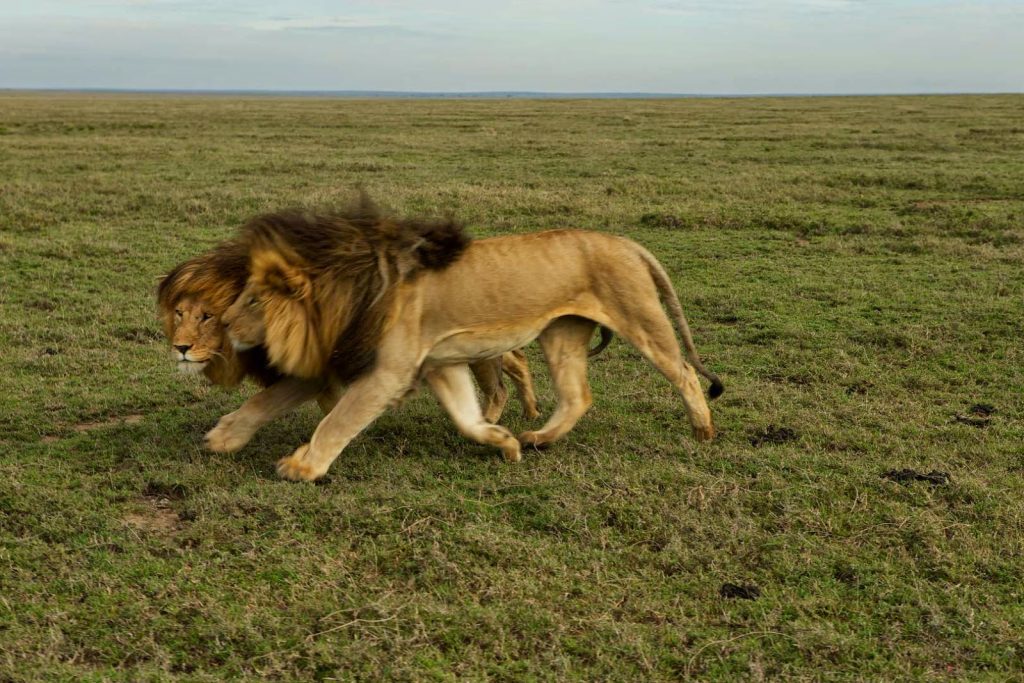
The wildlife behaviour explanations land differently. A guide who explains a lion ambush in your native language gives you a richer mental image than the same explanation translated. The nuances of predator strategy, herd dynamics, and territorial behaviour come through with their full weight.
The Maasai cultural context becomes accessible. Tanzania safaris often include cultural visits to Maasai communities. The translation chain from Maa to Swahili to English to Chinese loses meaning at every step. A Mandarin speaking guide compresses that chain and lets the conversation flow.
Family group dynamics work better. Many Chinese speaking safaris are multigenerational family trips with grandparents, parents, and children travelling together. The grandparents in particular often do not speak English. A Mandarin guide makes the experience accessible to every family member, not just the youngest English speaker.
The dinner conversation matters. Safari evenings at the lodge are when the day’s sightings are processed, questions are answered, and the next day is planned. If those conversations happen in your second language, you go to bed less satisfied and less prepared.
Safety information is precise. The pre game drive briefing covers what to do if you encounter dangerous wildlife on foot, how to behave at a kill sighting, and lodge specific protocols. Critical safety information should be delivered in your strongest language. We do this in Mandarin for all Chinese speaking groups.
Children get the experience too. For families with Chinese speaking children, a guide who speaks to the kids in Mandarin rather than through a parent’s translation transforms the trip. Children pay more attention, learn more, and remember more.
You can ask the questions you actually want to ask. Travellers in their second language tend to simplify their questions because forming complex sentences feels effortful. In your native language, you ask the real questions. The safari becomes a conversation rather than a lecture.
Tanzania Parks We Cover With Mandarin Speaking Guides
Every itinerary we run for Chinese speaking travellers can be guided in Mandarin. Here are the parks we cover most often, woven into our northern circuit safaris.
The Serengeti National Park is the flagship and the site of the Great Wildebeest Migration. The Serengeti is the largest park in Tanzania’s northern circuit, and most Chinese speaking safaris focus here. Our Mandarin speaking guides have detailed knowledge of the region’s ecology, the migration patterns, and the seasonal positioning of the herds. Best timed around the calving in the southern Serengeti and Ndutu (January to early March) or the Mara River crossings in the Northern Serengeti (August to early October).
The Ngorongoro Crater is a 260 square kilometre caldera with one of the highest predator densities in Africa. A single day in the Crater typically delivers four or five of the Big Five for most Chinese speaking travellers. The geology of the caldera, formed when a massive volcano collapsed roughly two to three million years ago, is a particular favourite topic for our Mandarin guides because the rim viewpoints offer dramatic photo opportunities.
Tarangire National Park is the elephant park. Tarangire has one of the largest elephant populations in East Africa and quieter game viewing than the Serengeti. The baobab trees (猴面包树) are something Chinese speaking travellers always remember. Our Mandarin speaking guides combine wildlife observation with discussions of the park’s tribal history.
Lake Manyara National Park is smaller, often included as a single night stop on the way into or out of the Serengeti. Famous for its tree climbing lions and flamingos. A useful addition for longer itineraries.
Lake Eyasi and the Hadzabe Communities offer cultural depth for Chinese speaking travellers interested in human anthropology. The Hadzabe are one of the last hunter gatherer societies in Africa. This is a sensitive cultural experience that requires a guide capable of translating not just words but context, and our Mandarin speaking cultural guides handle this with care.
For travellers who want to combine a safari with Africa’s highest peak, Mount Kilimanjaro climbing is one of the most popular bucket list trips for Chinese travellers. Mountain guiding in Mandarin is rarer than safari guiding in Mandarin, and we have invested specifically in this competence. The mountain (乞力马扎罗山) holds particular appeal for Chinese travellers as one of the Seven Summits and the highest free standing mountain in the world.
For the beach extension after the safari, we coordinate with Mandarin speaking guides on Zanzibar for Stone Town tours, spice farm visits, and dhow excursions. Many Chinese speaking travellers combine the safari with Zanzibar beach holidays for a complete Tanzania experience.
Sample Itineraries for Chinese Speaking Travellers
These are starting points. Every Chinese speaking safari we run is built around the specific traveller, group composition, and goals.
7 Day Classic Tanzania Safari (经典坦桑尼亚野生动物之旅)
The most popular structure. Three of the best northern circuit parks with a Mandarin speaking guide throughout.
- Day 1: Arrival at Kilimanjaro Airport (JRO), transfer to Arusha, Mandarin speaking briefing.
- Day 2: Drive to Tarangire National Park.
- Day 3: Tarangire game drives.
- Day 4: Drive to the Ngorongoro highlands via Lake Manyara.
- Day 5: Ngorongoro Crater game drive, drive to the Serengeti.
- Days 6 and 7: Serengeti game drives.
- Day 8: Morning game drive, fly back to Arusha, departure.
10 Day Tanzania Safari and Zanzibar (野生动物加海滩)
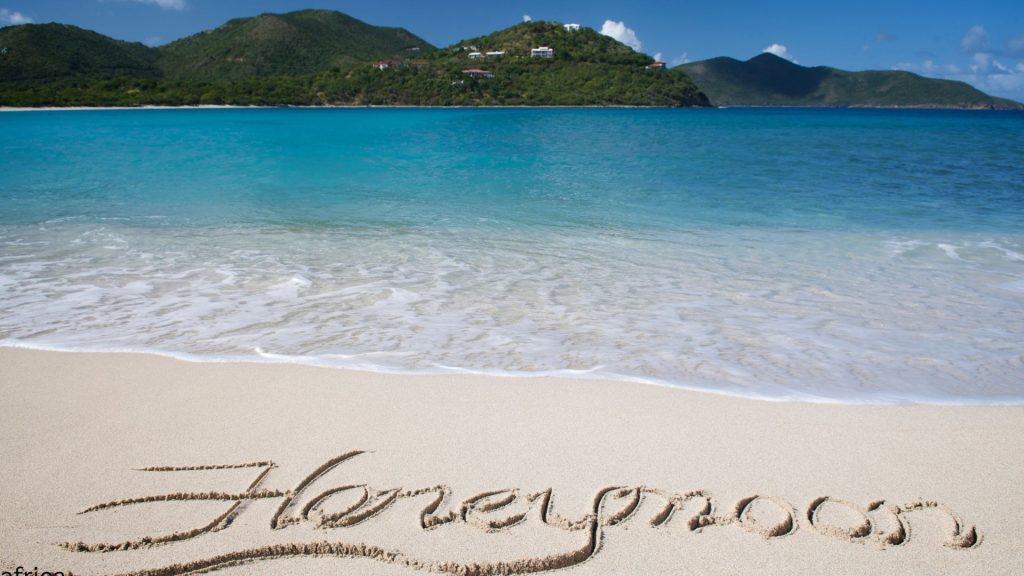
The version we run most often for honeymoon couples and families. Six days of safari with a Mandarin speaking guide, then four days on Zanzibar. This is also a popular structure for our Tanzania honeymoon safari and beach holiday clients.
4 Day Short Safari From Arusha (短期 Safari)
For travellers with limited time. Tarangire, Ngorongoro, and a single night in the Serengeti, all guided in Mandarin.
Migration Focused Safari (动物大迁徙 Safari)
Built around either the calving season (February) in Ndutu or the Mara River crossings (August to October). Our guides position the trip for the appropriate region.
Multigenerational Family Safari (三代同游 Safari)
For Chinese families travelling with grandparents, parents, and children, we adjust the pace, choose family friendly lodges with elevator or single floor access, build in shorter game drives with rest stops, and ensure dietary preferences (particularly for older travellers who may prefer Chinese style food) are accommodated where possible. We have an extensive family safari section with more details.
Honeymoon Safari (蜜月 Safari)
Private vehicle, fluent Mandarin speaking guide, luxury tented camps, sundowner setups, and optional Zanzibar extension.
Photographic Safari (摄影 Safari)
For serious photographers we use guides with photographic experience and good Mandarin vocabulary for technical discussion (light, composition, equipment). The Chinese photographic safari market is growing quickly and includes wildlife photographers with serious equipment.
Kilimanjaro Climb Plus Safari (登山加 Safari)
For the most ambitious trip: a Kilimanjaro climb followed by a recovery safari and optional Zanzibar extension. This is a 2 to 3 week trip and one of the most rewarding combinations we run.
What These Trips Actually Cost
We will not put a single number on this because the cost depends on lodges, season, group size, and length. But for a frame of reference, in 2026:
- Mid range (comfortable lodges, fluent Mandarin speaking guide, private vehicle): a 7 day Tanzania safari at this level typically starts around USD 2,800 to 3,500 per person.
- Luxury (boutique tented camps, premium guide, private vehicle): roughly two to two and a half times mid range.
- Ultra luxury (private concessions, exclusive game drives, top tier camps): roughly four to six times mid range.
Park fees in Tanzania in 2026 are USD denominated and are non negotiable. The Serengeti carries park fees of around USD 80 or more per adult per day plus vehicle and camping fees. A 7 day safari has several hundred dollars per person in park fees alone, before any lodge or vehicle cost.
We can quote in USD or in CNY for Chinese speaking clients who prefer renminbi pricing, with the exchange rate fixed at quote acceptance. This protects you from currency fluctuation between booking and travel. We accept international wire transfers and selected digital payment platforms.
Dietary Preferences and Other Practical Considerations
We ask every Chinese speaking group about food preferences during planning. Most safari lodges serve Western international cuisine, but a few details are worth knowing.
Some lodges and most luxury camps can prepare simpler Chinese style dishes (rice based meals, lighter cooking, less dairy) on request. Larger lodges in the Serengeti and around Arusha sometimes have Chinese guests regularly enough to maintain stocked ingredients. We confirm dietary capabilities with each lodge before your trip.
For travellers who strongly prefer Chinese food throughout, we can provide instant noodles, rice, soy sauce, and other essentials in the vehicle, particularly during long driving days. Some travellers also bring favourite snacks and tea from home, which works well.
For multigenerational families with elderly travellers, we pay attention to walking distances, lodge layouts, and altitude. The Ngorongoro highlands sit at over 2,200 metres and some elderly travellers feel the altitude. We adjust the pace accordingly.