Tanzania Safari With German Speaking Guide
Home » Tanzania Safari With German Speaking Guide
A safari is a guided experience. The wildlife is the headline, but the guide is what determines whether you understand what you are seeing, what you remember when you get home, and whether you book another trip ten years later. For German speaking travellers, the question of language fluency in the guide is not a small detail. It is the difference between a guided safari and a guided tour where half the explanation is missing.
Many Tanzania safari operators advertise “German speaking guides.” Many of those guides actually speak conversational German and run the technical safari content in English. There is a real difference between a guide who can manage a German dinner conversation and a guide who can explain wildlife behaviour, predator strategies, geological history, and Maasai cultural context fluently in German during a long game drive.
We are Kiwoito Africa Safaris, based in Arusha. We run safaris with genuinely fluent German speaking guides for travellers from Germany, Austria, Switzerland, South Tyrol, Liechtenstein, Luxembourg, and other German speaking regions. This page is what we tell our German speaking clients when they email asking how a Tanzania safari in German actually works.
If you are a German speaking traveller searching for eine Tansania Safari mit deutschsprachigem Guide, or if you have German speaking parents or family members joining your trip, this page will tell you honestly what we offer, how our German language guiding actually works, and what to ask any operator before you book.
The Real Difference Between “Speaks German” and “German Speaking Guide”
Many Tanzania safari operators list “German speaking guides” on their website. The reality varies widely. Here is the honest spectrum we have seen across the industry.
Conversational German only. The guide knows greetings, basic safari vocabulary in German, and can manage simple exchanges. Wildlife and geography explanations remain in English with German summaries. This is what is actually delivered when most operators say “we have German speaking guides.”
Functional bilingual. The guide can run a full game drive in German including the standard wildlife explanations, but technical or specialised conversations (geology, behavioural ecology, complex cultural context) drift back to English when the topic gets deep.
Fluent bilingual. The guide is genuinely fluent in German, often having either studied in German or spent significant time in German speaking countries. The full safari experience can be delivered in German at any depth the traveller wants. This level is rarer in Tanzania than the operator industry would have you believe, and worth specifically requesting.
Kiwoito Africa Safaris has fluent bilingual guides on staff and we allocate them specifically to German speaking groups. We are honest about which level of fluency you get with each guide, and you can ask before booking.
A Note on the Tanzania to Germany Historical Connection
For German speaking travellers, Tanzania carries a particular weight that is worth acknowledging. The country was part of German East Africa (Deutsch Ostafrika) from 1885 until the end of the First World War. That colonial era is part of why there are still German place names on Tanzanian maps, why the highest point on Kilimanjaro was once called Kaiser Wilhelm Spitze, and why some of the earliest formal natural history work in Tanzania was published in German.
We do not romanticise this history. Colonial occupation in East Africa caused real harm, including the violent suppression of the Maji Maji Rebellion. But for German speaking travellers visiting Tanzania today, an awareness of this shared history can deepen the experience. Our German speaking guides know the colonial sites, the museums in Bagamoyo, and the historical architecture, and can discuss this history with the seriousness and balance it deserves. If this kind of conversation interests you, tell us at planning stage and we will build elements of it into the trip.
Why German Speaking Travellers Choose Kiwoito Africa Safaris
We have been running Tanzania safaris for German speaking travellers for years. German visitors are consistently among the largest single nationality groups visiting Tanzania each year, and we have built specific competence in serving this audience. Here is what we have built and why it matters for you.
Genuinely Fluent German Speaking Guides
Our German speaking guides are East African with deep Tanzania experience and real German fluency. Several of them have studied in German speaking countries, worked previously with German tourism partners, or have German language family backgrounds. They speak the language well enough to handle complex wildlife discussions, philosophical conversations over dinner, and the small jokes and cultural references that make a guide feel like a friend rather than a service provider.
When a German speaking group books with us, we allocate the guide based on availability, group size, and any specific interests. For honeymoon couples or small private groups, we always send a fluent German speaker. For larger groups, we may pair a fluent German guide with a strong English speaking assistant guide who can support specific aspects.
A Real Track Record With German Speaking Travellers
We currently hold a 5.0 average rating on TripAdvisor with more than 200 reviews and 4.9 on Google with more than 100 reviews. A meaningful share of our reviews come from German speaking travellers, including reviews written in German. Read them when comparing operators. Reviews in German from real travellers are harder to fake than generic English reviews and they signal that the operator genuinely serves German speaking clients rather than just claiming to.
Bilingual Communication Throughout the Booking Process
The German speaking experience does not start when you arrive in Arusha. It starts when you send your first email. We have German speaking team members in our office who handle the entire booking process in German if you prefer: itinerary discussion, quotes, questions about lodges, payment confirmations, pre trip briefings, and post trip follow up.
This matters because language barriers in the planning process create misunderstandings that show up later as disappointments on the trip. Eine Buchung in Ihrer Sprache ist eine Buchung, die richtig gemacht wird. A booking made in your language is a booking made correctly.
East African Expertise, Not Just Language Skills
A German speaking guide is only valuable if the underlying safari knowledge is also strong. Our guides have years of experience in Tanzania’s parks, are licensed by the Tanzania National Parks Authority (TANAPA), and continue ongoing training. They are good guides who happen to speak German, not German speakers who happen to be guides.
For specialised interests (photography, ornithology, family safaris with children), we match German speaking travellers with German speaking guides who also have those specific competencies. A German speaking birding guide who can identify 400 East African species in German is a different proposition from a German speaking general guide.
Honest Planning, Not Hard Selling
We listen to your dates, your group, and what matters to you. We come back with two or three honest options. We do not pad your itinerary with extra parks just to inflate the quote, and we do not push you toward our most expensive lodges if a mid range option suits you better.
German speaking travellers tend to value precision and detailed information in the planning process. We provide it. Our quotes itemise park fees, lodge rates, vehicle costs, guide fees, and any extras line by line so you can see exactly what you are paying for.
Why a German Speaking Guide Genuinely Improves Your Safari
If you are still deciding whether to pay extra for a fluent German guide rather than accepting a “speaks German” guide, here is what actually changes during the trip.
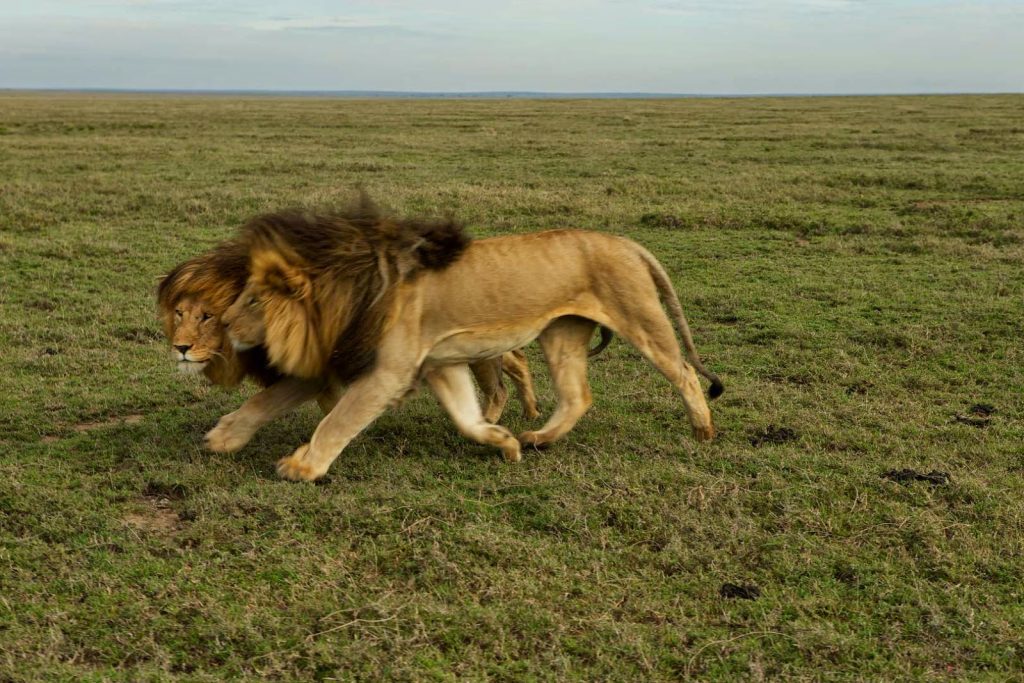
The wildlife behaviour explanations land differently. A guide who explains a lion ambush in your native language gives you a richer mental image than the same explanation translated. The nuances of predator strategy, herd dynamics, and territorial behaviour come through with their full weight.
The Maasai cultural context becomes accessible. Tanzania safaris often include cultural visits to Maasai communities. The translation chain from Maa to Swahili to English to German loses meaning at every step. A German speaking guide compresses that chain and lets the conversation flow.
The dinner conversation matters. Safari evenings at the lodge are when the day’s sightings are processed, questions are answered, and the next day is planned. If those conversations happen in your second or third language, you go to bed less satisfied and less prepared. In your native language, you go to bed informed.
Safety information is precise. The pre game drive briefing covers what to do if you encounter dangerous wildlife on foot, how to behave at a kill sighting, and lodge specific protocols. Critical safety information should be delivered in your strongest language. We do this in German for all German speaking groups.
Children get the experience too. For families with German speaking children, a guide who speaks to the kids in German rather than through a parent’s translation transforms the trip. Children pay more attention, learn more, and remember more.
You can ask the questions you actually want to ask. Travellers in their second language tend to simplify their questions because forming complex sentences feels effortful. In your native language, you ask the real questions. The safari becomes a conversation rather than a lecture.
Tanzania Parks We Cover With German Speaking Guides
Every itinerary we run for German speaking travellers can be guided in German. Here are the parks we cover most often, with brief notes on what each offers.
Serengeti National Park
The flagship. The Serengeti is the largest park in Tanzania’s northern circuit, the site of the Great Wildebeest Migration, and where most German speaking safaris focus. Our German speaking guides have detailed knowledge of the region’s ecology, the migration patterns, and the seasonal positioning of the herds.
Best timed around the calving in the southern Serengeti and Ndutu (January to early March) or the Mara River crossings in the Northern Serengeti (August to early October).
Ngorongoro Crater
The 260 square kilometre caldera with one of the highest predator densities in Africa. A single day in the Crater typically delivers four or five of the Big Five for most German speaking travellers, and our guides know the Crater’s resident lion prides, the rhino population, and the elephant bulls intimately. The geology of the caldera, formed when a massive volcano collapsed roughly two to three million years ago, is something many German travellers find particularly interesting and our guides can discuss in detail.
Tarangire National Park
The elephant park. Tarangire has one of the largest elephant populations in East Africa, baobab trees that German speaking travellers always remember, and quieter game viewing than the Serengeti. Our German speaking guides combine wildlife observation with discussions of the park’s tribal history and the role of the Tarangire River in the dry season ecology.
Lake Manyara National Park
Smaller, often included as a single night stop on the way into or out of the Serengeti. Famous for its tree climbing lions and flamingos. A useful addition for longer itineraries.
Lake Eyasi and the Hadzabe Communities
For German speaking travellers interested in cultural depth, we offer visits to the Hadzabe, one of the last hunter gatherer societies in Africa. This is a sensitive cultural experience that requires a guide capable of translating not just words but context. Our German speaking cultural guides handle this with care.
Kilimanjaro and Meru Treks
For German speaking travellers who want to combine a safari with a Kilimanjaro climb, we provide German speaking trekking guides. Mount Kilimanjaro carries particular significance for German speaking travellers given the historical connection: the mountain was a site of German colonial exploration, and the summit was named Kaiser Wilhelm Spitze until Tanzania’s independence in 1961, when it was renamed Uhuru Peak (the Swahili word for freedom). Mountain guiding in German is rarer than safari guiding in German, and we have invested specifically in this competence.
Bagamoyo and the Coastal Historical Sites
For German speaking travellers with an interest in colonial history and maritime trade, Bagamoyo on the coast (north of Dar es Salaam) was the first capital of German East Africa and contains one of East Africa’s most preserved collections of German colonial era buildings. We can integrate Bagamoyo as a cultural stop into longer itineraries that combine the northern circuit with the coast.
Zanzibar
For the beach extension after the safari, we coordinate with German speaking guides on Zanzibar for Stone Town tours, spice farm visits, and dhow excursions. Stone Town also has historical significance for German speaking travellers because the German consulate building from the colonial era still stands. Our Tanzania honeymoon safari and beach holiday page goes into detail on the Zanzibar combination.
Sample Itineraries for German Speaking Travellers
These are starting points. Every German speaking safari we run is built around the specific traveller, group composition, and goals.
7 Day Classic Tanzania Safari (Klassische Tansania Safari)
The most popular structure. Three of the best northern circuit parks with a German speaking guide throughout.
- Day 1: Arrival at Kilimanjaro Airport (JRO), transfer to Arusha, German speaking briefing.
- Day 2: Drive to Tarangire National Park.
- Day 3: Tarangire game drives.
- Day 4: Drive to the Ngorongoro highlands via Lake Manyara.
- Day 5: Ngorongoro Crater game drive, drive to the Serengeti.
- Days 6 and 7: Serengeti game drives.
- Day 8: Morning game drive, fly back to Arusha, departure.
10 Day Tanzania Safari and Zanzibar (Safari und Strand)
The version we run most often for honeymoon couples and families. Six days of safari with a German speaking guide, then four days on Zanzibar.
4 Day Short Safari From Arusha (Kurzsafari)
For travellers with limited time. Tarangire, Ngorongoro, and a single night in the Serengeti, all guided in German.
Migration Focused Safari (Spezielle Migrations Safari)
Built around either the calving season (February) in Ndutu or the Mara River crossings (August to October). Our guides position the trip for the appropriate region.
Honeymoon Safari (Hochzeitsreise Safari)
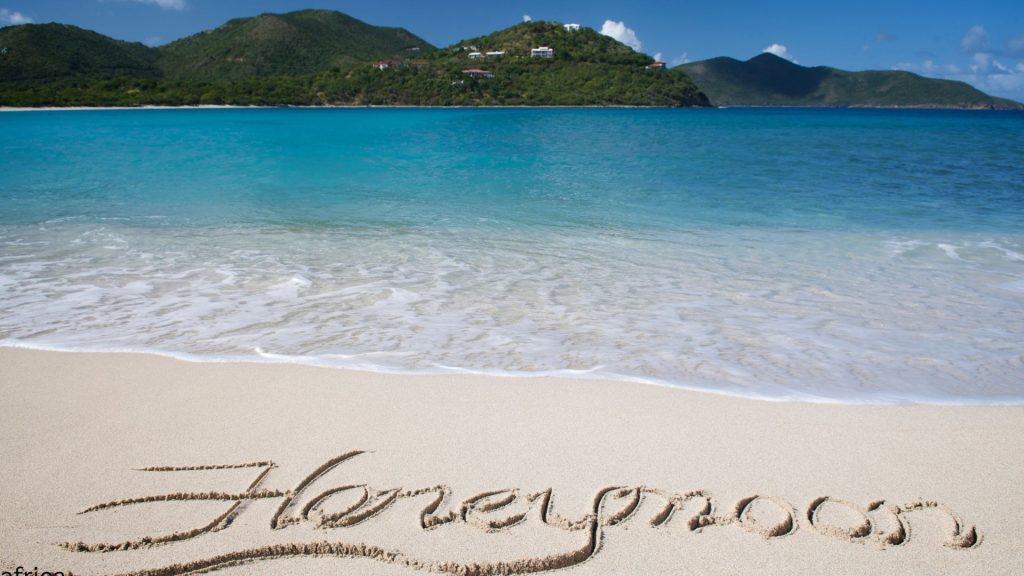
Private vehicle, fluent German speaking guide, luxury tented camps, sundowner setups, and optional Zanzibar extension. We have a separate Tanzania honeymoon safari page with detailed planning.
Family Safari (Familiensafari)
For families with German speaking children. We adjust the pace, choose family friendly lodges, and brief our guides to engage with younger travellers in age appropriate German.
Photographic Safari (Foto Safari)
For serious photographers we use guides with photographic experience and good German vocabulary for technical discussion (light, composition, equipment). Many German photographers come specifically for the Migration and the calving season.
Combined Tanzania and Kenya Safari
For German speaking travellers who want both the Serengeti and the Maasai Mara, we run cross border itineraries with a German speaking guide accompanying you across both countries. We operate in both Tanzania and Kenya.
What These Trips Actually Cost
We will not put a single number on this because the cost depends on lodges, season, group size, and length. But for a frame of reference, in 2026:
- Mid range (comfortable lodges, fluent German speaking guide, private vehicle): a 7 day Tanzania safari at this level typically starts around USD 2,800 to 3,500 per person.
- Luxury (boutique tented camps, premium guide, private vehicle): roughly two to two and a half times mid range.
- Ultra luxury (private concessions, exclusive game drives, top tier camps): roughly four to six times mid range.
Park fees in Tanzania in 2026 are USD denominated and are non negotiable. The Serengeti carries park fees of around USD 80 or more per adult per day plus vehicle and camping fees. A 7 day safari has several hundred dollars per person in park fees alone, before any lodge or vehicle cost.
We bill in USD or in EUR for German speaking clients who prefer euro pricing, with the exchange rate fixed at quote acceptance. This protects you from currency fluctuation between booking and travel. For Swiss clients, we can also bill in CHF on request.
Best Time of Year for a German Guided Safari
The peak European summer safari season in Tanzania runs from mid June through October. This is when most German speaking travellers visit, school holidays align (particularly the German Sommerferien), and the dry weather makes wildlife concentrated and visible. The migration river crossings in the northern Serengeti happen during this window, which is part of the appeal.
The other strong window is January through early March, when the wildebeest calving in Ndutu attracts photographers and repeat safari travellers. This window overlaps with German Faschingsferien (late February or early March in most German states) and the Austrian Semesterferien.
For German speaking travellers, the peak booking period is roughly March through May for trips departing that summer, and September through November for trips departing the following winter. German speaking guides are in high demand during these windows and book up earlier than the safari operator industry generally. We recommend booking at least nine to twelve months ahead for fluent German speaking guides during peak season.
Frequently Asked Questions (Häufig Gestellte Fragen)
Do you really have fluent German speaking guides, or just guides who know some German?
We have genuinely fluent German speaking guides on staff and we allocate them to German speaking groups. We are honest about each guide’s level of fluency and you can ask before booking. We will not assign you a “knows some German” guide if you have asked for fluency. If our fluent German speaking guides are unavailable for your specific dates, we will tell you and offer alternative dates rather than send you a guide who cannot deliver what we promised.
Can I communicate with your office in German throughout the booking process?
Yes. We have German speaking team members who can handle the entire planning conversation in German: emails, quotes, itinerary discussions, payment, pre trip briefings, and post trip follow up.
Are your German speaking guides Tanzanian or expatriate?
Tanzanian. Our German speaking guides are East African nationals with German language skills acquired through study, work in German speaking countries, or partnerships with German tourism companies. We believe local guides deliver better safari experiences because they have grown up with the wildlife, the landscape, and the cultural context. The German language is a layer added on top, not the main substance.
Do you serve travellers from Germany, Austria, Switzerland, and other German speaking regions?
Yes. We have hosted travellers from Germany, Austria, Switzerland, South Tyrol, Liechtenstein, and Luxembourg. Our guides handle the regional variations in German pronunciation and vocabulary comfortably. Swiss German speakers often find that our guides default to Hochdeutsch (standard German) which works well for cross regional groups.
Do you provide German translations of safari documents (itinerary, briefings, packing lists)?
Yes. Trip documents can be provided in German on request. This includes the detailed itinerary, the safari briefing, the packing list, the medical and safety briefing, and the post trip feedback form.
Can my safari include cultural visits with German translation?
Yes. For Maasai community visits, Hadzabe encounters, and similar cultural experiences, our German speaking guides translate not just the words but the cultural context. This is one of the genuine advantages of booking a fluent German speaking guide rather than just a “speaks German” guide.
Are there German speaking lodge staff at the lodges you use?
This varies by lodge. Some of the larger lodges and tented camps have German speaking front of house staff, particularly at properties that cater regularly to German speaking European clients. Most game drive vehicles have only the guide as the German speaking presence. We will let you know which lodges in your itinerary have German speaking staff so you know what to expect.
Is travel insurance available with German language coverage?
Yes. German insurance providers including Allianz, ERV, ADAC, HanseMerkur, and Zurich all cover Tanzania safaris and provide claims support in German. Swiss insurers including Helsana and CSS also offer Tanzania travel coverage. We recommend confirming your insurance covers East African travel including helicopter evacuation before departure.
Do you accept payment in euros or Swiss francs?
Yes. We can quote and accept payment in EUR for German and Austrian clients. For Swiss clients, we can quote in CHF on request. The exchange rate is fixed at quote acceptance to protect you from currency fluctuation between booking and travel.
How far in advance should I book?
For peak season (June through October, December through February), we recommend booking nine to twelve months ahead, particularly during the German school summer holidays and Christmas break. German speaking guides book up earlier than English speaking guides because the demand to supply ratio is higher. For shoulder season, four to six months is usually enough.
Can you arrange direct flights from Frankfurt, Munich, Zurich, or Vienna?
Lufthansa, Swiss, Austrian Airlines, KLM, Turkish Airlines, Ethiopian Airlines, Qatar Airways, and Emirates all serve Kilimanjaro Airport (JRO) from German speaking Europe, mostly with one stop. Condor offers seasonal direct flights from Frankfurt to Zanzibar and Mombasa. We can advise on routing and partner with travel agents we trust if you prefer a fully bundled booking. We do not directly issue international tickets.
Will my children enjoy the experience even if their German is the only language they speak?
Yes, and this is actually one of the strongest reasons to book a fluent German speaking guide for family trips. Children who can communicate with their guide in their native language engage with the experience deeply. They ask questions, learn animal names in German, and come home with stories. We have hosted German speaking families with children as young as six who came back saying their child’s safari memories were the highlight of the family year.
Can my safari be combined with a Kilimanjaro climb in German?
Yes. We provide fluent German speaking trekking guides for Kilimanjaro climbs and the climb can be combined with a safari and a Zanzibar extension into a single trip of two to three weeks. Mountain guiding in German is rarer than safari guiding in German, so we ask for at least four to six months notice for a German speaking Kilimanjaro climb.
Do you cater to German walking groups, photo tours, and special interest tours?
Yes. We work with German tourism companies and special interest groups including walking safaris, photographic tours, and ornithological tours. Some of our highest repeat client retention is among German walking and birding groups who return year after year. Group bookings of six to twelve travellers are particularly economical because guide and vehicle costs are shared across the group.
Why German Speaking Travellers Trust Kiwoito Africa Safaris
We do not need to argue with the dozens of Tanzania safari operators competing for the title of best German speaking safari company. We just need to keep doing the work, planning honest trips, and supporting our German speaking travellers from the first email to the last airport drop off.
Our reviews speak for themselves: 5.0 on TripAdvisor across 200 plus reviews, 4.9 on Google across 100 plus reviews, and a meaningful share of our annual bookings come from past clients referring friends and family. Read the reviews directly. Many are in German.
If you want to see for yourself why German speaking travellers keep coming back to us, the next step is a conversation. Send us your dates, group composition, and rough budget, in German or English. We will come back with two or three honest itinerary options, no pressure, and a clear price breakdown including park fees.
Ready to plan your Tanzania safari with a fluent German speaking guide? Request a custom safari quote or call us directly at +255 769 222 238. We respond to most enquiries within 12 hours during East African business days.
Sie können uns auch auf Deutsch schreiben. Wir antworten in Ihrer Sprache.