Tanzania Safari With Hebrew Speaking Guide
Home » Tanzania Safari With Hebrew Speaking Guide
Tanzania receives more than 1.5 million tourists each year, and the number of Israeli travellers choosing it as a destination has grown sharply over the past decade. The northern circuit, covering Serengeti, Ngorongoro, Tarangire, and Lake Manyara, draws Israeli families, couples, and groups in large numbers, particularly around Pesach and the Sukkot break. Most of them arrive having done significant research in Hebrew, then land in Arusha and spend the first morning realising their English is fine but their guide’s explanations are landing at about 70 percent.
That gap matters more than most people expect.
At Kiwoito Africa Safaris we are a locally registered Tanzanian operator based in Arusha, and we arrange private safaris for Hebrew speaking clients with guides who carry genuine fluency, not the kind of basic Hebrew that gets tested on the first game drive and then quietly abandoned. This page is written to give you the actual information you need to plan well, including the parts most operators skip.
Why a Hebrew Speaking Guide Changes the Safari Experience
Game drives run from roughly 06:00 to 10:00 in the morning and again from 15:30 until dusk. That is five to six hours per day sharing a vehicle with your guide. Over a seven day safari, the total contact time between you and your guide exceeds thirty hours. What gets said in those hours, and how clearly it lands, is the difference between a safari that feels like a genuine education and one that feels like a very expensive tour of impressive but poorly understood scenery.
Hebrew is a specific language with a specific vocabulary for science, culture, and humour. A guide who speaks it fluently can explain predator territory marking in terms that make sense, can pick up on a child’s curiosity and redirect the conversation without the parent having to translate, and can share the kind of dry observation about a wildebeest’s decision making that actually gets laughed at. That does not happen through English with a Hebrew follow up.
For Israeli families especially, the language question is not a luxury consideration. It is core to whether children engage or zone out by day three.
The Parks We Cover on Hebrew Guided Safaris
Our standard routes for Hebrew speaking clients follow the northern circuit, which connects the four parks that form the backbone of most Tanzania itineraries. Here is an honest picture of each one.
Tarangire National Park
Tarangire sits about 120 kilometres south of Arusha, roughly two hours by road. We almost always open a multi day itinerary here because it provides an immediate, unhurried introduction to the safari experience before the more complex logistics of the Serengeti begin. The Tarangire River is the central feature in the dry season from June through October, when elephants congregate along its banks in numbers that are genuinely startling the first time you see them. We have watched groups of more than 200 elephants move through a single clearing. The baobab trees here are some of the oldest living organisms in East Africa, and they give the landscape a character that is completely different from the open plains of the Serengeti.
Lake Manyara National Park
Lake Manyara is compact, which makes it well suited to a half day or single full day. We use it as either a warm up on arrival day or a quiet final morning before the journey home. The alkaline lake turns pink with flamingos in season, and the forest edge at the base of the Rift Valley escarpment holds surprising density of game. The tree climbing lions here are a real phenomenon and not a marketing invention, though we will be honest that sightings are not guaranteed. If you see them, extraordinary. If you do not, Lake Manyara has enough else to make the stop worthwhile.
Ngorongoro Conservation Area
The crater is 19 kilometres across and sits roughly 600 metres below the rim at an elevation of around 1,800 metres above sea level. The floor holds approximately 25,000 animals in a self contained ecosystem, including the densest concentration of lions in Africa and one of the last viable black rhino populations in Tanzania. Descending into the crater on a clear morning, with the mist still sitting in the lower sections and the flamingos visible on the soda lake at the centre, is the kind of thing that stays with you.
We should say clearly that not every crater rim lodge deserves its price. Some properties charge at the high end specifically because of their position on the rim, and the actual rooms, food, and service do not match what you pay. We will tell you which lodges we send our own contacts to and which ones we have learned to avoid. That conversation happens when we put your itinerary together.
Serengeti National Park
The Serengeti covers 14,763 square kilometres. It is roughly the size of Northern Ireland and has no fences. Understanding which section to be in at which time of year is where a local operator’s knowledge actually earns its place. The southern plains around Seronera and the Seronera River have the best year round game density and are the right base for first time visitors. The northern Serengeti near the Mara River is where the Great Wildebeest Migration river crossings happen from roughly July through October. The western corridor sees the migration pass through between May and July. Our Hebrew speaking guides know these patterns well and brief clients on what to expect before each drive so that sightings arrive with context rather than confusion.
Israeli Holiday Timing and Safari Planning
This is a topic most safari operators do not address and most Israeli travellers search for specifically.
Pesach typically falls in March or April. March is a genuinely good month for Tanzania. The short dry spell between the two rainy seasons can produce excellent conditions in Tarangire and Ngorongoro, and the Serengeti calving season in the southern plains, which runs from late January through March, is one of the most extraordinary wildlife events you can witness. Hundreds of thousands of wildebeest calves are born within a concentrated period, drawing predators and creating a level of activity that the river crossing crowds never quite match in terms of sheer biological intensity. Pesach week is busy in the parks because Israeli demand peaks, and we recommend booking at least five to six months in advance if your dates are fixed around this period.
Sukkot falls in September or October, which is one of the best times to be in northern Tanzania. The dry season is ending, the Mara River crossings are still happening in the northern Serengeti, and the parks are beginning to thin out after the August peak. This is a strong window.
Summer break in July and August is peak safari season globally, not only for Israelis. Prices are at their highest, parks are at their busiest, and lodges in the northern Serengeti fill months in advance. If you are set on this period, book early and accept the premium. If you have flexibility, June or October gives you comparable conditions with fewer vehicles at sightings.
April and May are the long rains. We will tell you directly that these months are not ideal for most travellers. Some roads in the Serengeti become genuinely impassable after heavy rainfall, certain camps close entirely, and the game disperses across a much larger area. The landscape is beautiful and green and photographers sometimes seek this out deliberately, but for a family or couple doing their first Tanzania safari, April and May carry real risk of a frustrating experience.
Kosher Considerations in Tanzania
We want to be accurate here rather than simply reassuring.
Tanzania does not have kosher certified restaurants or lodges in any meaningful sense. Arusha has some options for buying sealed kosher products, and certain Israeli group operators bring their own supplies and cooks for large delegations travelling around Pesach. If you are strictly observant and keeping full kashrut, you will need to plan this carefully and bring sealed provisions for the duration of the safari. We can work with you on this but we will not pretend it is a simple arrangement.
If your requirement is more along the lines of no pork, separate utensils, or vegetarian meals, virtually every lodge and camp in Tanzania can accommodate this without difficulty. The standard full board offering at reputable camps includes good quality food and is genuinely flexible for dietary needs. Tell us your specific requirements when you enquire and we build them into the booking from the start.
How Our Hebrew Guided Safaris Are Structured
Every safari we run is private. You are not in a shared group vehicle where the guide splits attention between multiple nationalities and languages. You have your own Toyota Land Cruiser 4×4 with a pop up roof for standing game viewing, a cooler with water and soft drinks, a charging point for cameras and phones, and space for up to six passengers. We do not put more than six people in a vehicle because it affects viewing angles and the quality of the game drive for everyone.
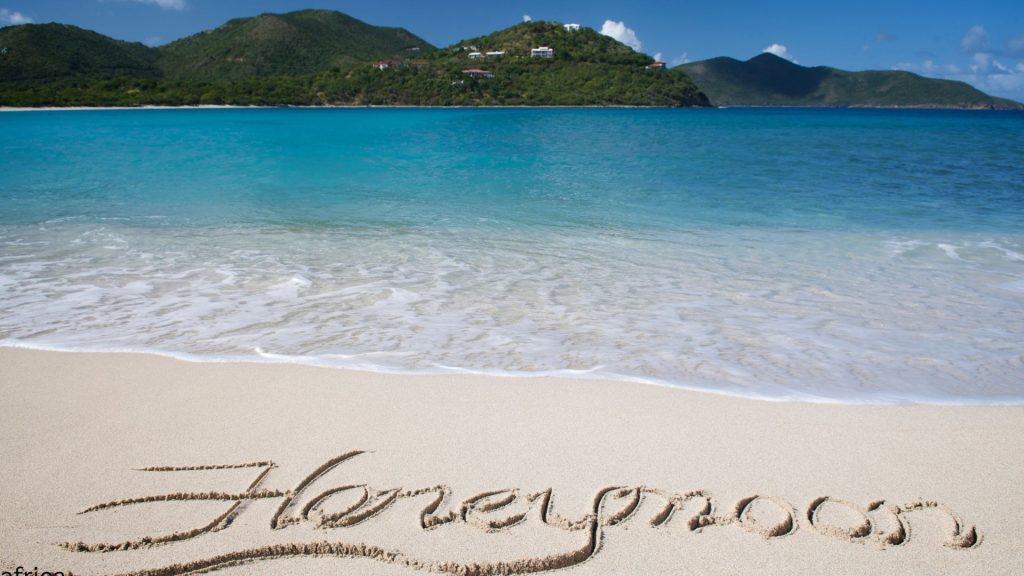
Your guide is briefed on your group before departure. If you have a teenager who wants to focus on predators, we note that. If you are on a Tanzania honeymoon safari and want slower mornings and a sundowner stop each evening, we build that in. If you are travelling as a multi family group and want the guides to keep children engaged with activities and questions during drives, we prepare for that.
A typical day by day structure for a 7 day Hebrew guided northern circuit safari:
- Day 1: Pickup from Kilimanjaro International Airport or your Arusha hotel, drive to Tarangire (approximately 2 hours), afternoon game drive along the Tarangire River
- Day 2: Full day in Tarangire with morning and afternoon game drives
- Day 3: Drive to Lake Manyara for a game drive, continue to Ngorongoro rim for the night
- Day 4: Full descent into Ngorongoro Crater, approximately 6 hours on the crater floor, return to rim lodge
- Day 5: Drive through the Ngorongoro Conservation Area to central Serengeti, afternoon game drive near Seronera
- Day 6: Full day Serengeti with morning and afternoon drives
- Day 7: Morning game drive, drive back to Arusha, airport or hotel drop off
We extend this to 10 days by adding nights in the northern Serengeti near the Mara River when timing aligns with the migration, or by adding a Zanzibar beach extension of three to five nights. Zanzibar is a 45 minute flight from Arusha or the Serengeti airstrip and works extremely well as a decompression after the pace of a safari. Stone Town, the old city on the west coast, is worth at least one night before moving to the beach areas on the east and north coasts.
Which Option Is Right for You?
Choose a 5 to 6 day northern circuit safari if you are visiting Tanzania for the first time, you are combining the safari with Zanzibar, or you are working with a tighter budget. This covers Tarangire, Ngorongoro, and Serengeti at a pace that feels complete without becoming exhausting.
Choose a 8 to 10 day itinerary if you want to include the northern Serengeti for the migration, spend more time in each park without feeling rushed, or add Zanzibar as a proper beach stay rather than a quick two night stop.
Choose a fly in safari if your budget allows and you want to eliminate the long road transfers. Flying between Arusha and Seronera, or between the Serengeti airstrips and Zanzibar, saves significant travel time and opens up camps that are not accessible by road during wet season. We coordinate domestic flights through Coastal Aviation and Air Excel, both of which operate from Arusha Airport.
Choose a tailor made itinerary if you are returning to Tanzania and want to go beyond the northern circuit, either into the southern circuit covering Ruaha National Park and the Nyerere National Park, or the western circuit for Mahale Mountains and chimpanzees on the shores of Lake Tanganyika. These require fly in logistics but offer a level of solitude and wilderness that the northern parks cannot match.
Do not choose a group joining safari for this. Our group joining safari operates in English and is good value for solo travellers who are comfortable in that setting. It is not designed for Hebrew language immersion and we would not recommend it for families or anyone for whom the guide language is a genuine priority.
Honest Pricing for a Hebrew Guided Private Safari
Park fees are set by Tanzania National Parks (TANAPA) and the Ngorongoro Conservation Area Authority and they are not negotiable. For Serengeti, the non resident adult conservation fee as of 2025 is $82 USD per person per day. Ngorongoro Crater carries a separate vehicle entry fee of $295.30 USD per vehicle per visit in addition to the per person daily fee. A couple spending 7 days covering these parks will pay over $1,200 USD in park fees alone, before a single night of accommodation or a guide fee is added.
Our guide and vehicle fee for a private safari runs between $280 and $380 USD per day depending on the route and guide. Hebrew speaking guides with genuine fluency command a premium, which is reasonable given how few of them exist with real experience in the field.
Accommodation costs vary widely. A solid mid range tented camp in the Serengeti with full board starts around $250 per person per night. Luxury camps with private plunge pools, dedicated butler service, and high end food start around $700 and run past $1,500 per person per night at the top properties. We work across both categories without bias. We will tell you honestly when a luxury lodge is worth the extra and when it is selling a name rather than a genuinely better experience. Our mid range safari and luxury safari pages give you a clearer picture of what each level actually delivers.
For a couple on a 7 day private Hebrew guided northern circuit safari with mid range accommodation, a realistic total sits between $5,500 and $7,500 USD per person, covering all park fees, guide and vehicle, full board accommodation, and airport transfers. International flights are separate.
Why Travel with Kiwoito Africa Safaris
We are a registered Tanzanian operator based at Fire Road, Arusha, operating under full membership of TATO (Tanzania Association of Tour Operators) and registered with the Tanzania Tourist Board and TANAPA. These are not decorative affiliations. They mean we are subject to regulatory oversight and can be reported to an industry body if our service falls below standard.
Our guides have an average of more than eight years of active guiding experience across the northern and southern circuits. The Hebrew speaking guides on our roster have worked specifically with Israeli clients over multiple seasons, which means they understand the questions that come from that background, including the direct and sometimes blunt communication style that Israeli travellers are known for, and which we genuinely respect. You will not need to soften your questions with us.
Our vehicles are Toyota Land Cruiser 4x4s maintained on a regular service schedule in Arusha. We carry a communication device and a full recovery and tool kit on all remote routes, because a mechanical issue in the middle of the Serengeti is a real possibility and a prepared guide handles it without it becoming the story of the trip.
We hold over 200 five star reviews on TripAdvisor and more than 100 reviews on Google averaging 4.9. We have run safaris that have not gone perfectly. Anyone who tells you otherwise is not an honest operator. What we can tell you is that we communicate clearly when problems arise and we fix them. Read our recent client accounts on our Tanzania safari blog or visit our about us page if you want a fuller picture of how we work.
Plan Your Safari with Kiwoito Africa Safaris
If you are in the research phase and not yet ready to commit, send us your travel dates, the size of your group, and a general sense of your budget. We will reply with a detailed itinerary, an honest cost breakdown, and straightforward advice on whether your timing and expectations line up well with what Tanzania is doing in that season.
We do not use pressure tactics. If the timing is genuinely bad for what you want to see, we will tell you that and suggest a better window, even if it means you book for a later date.