Tanzania Safari With Hindi Speaking Guide
Home » Tanzania Safari With Hindi Speaking Guide
Overview
India sends a growing number of travellers to Tanzania each year. Many of them tell us the same thing after they arrive: they wish they had known sooner that a Hindi speaking guide was an option. Not because English is not manageable, but because there is a specific kind of ease that comes from processing an entirely new environment in your own language, asking the question that occurs to you in the moment without pausing to translate it in your head, and hearing the answer land the way it was intended.
At Kiwoito Africa Safaris, we have guided Hindi speaking clients from across India and from Indian communities in the UK, the US, Canada, and East Africa itself. This guide covers what a Hindi speaking safari actually looks like in practice, which parks make sense for Indian travellers, how we handle vegetarian and Jain dietary requirements in remote safari camps, and what the whole trip costs in 2026.
Why Language Matters More on Safari Than on Most Trips
A safari is not a sightseeing tour where you follow a route and read the information boards. It is a continuous, real time conversation between you and your guide. You are asking questions about animal behaviour, tracking signs, plant species, Maasai culture, and the ecology of landscapes you have never seen before. Your guide is sharing knowledge that took years to accumulate, watching for things you have not yet learned to notice, and making decisions about where to drive based on what they are reading in the environment.
When that conversation happens in your first language, it flows. You ask the follow up question when it occurs to you. You understand the nuance in the answer. You catch the dry humour. Your children ask what they want to ask without waiting for you to translate. The experience is simply more connected, and connection is what safari is fundamentally about.
This is not a criticism of English speaking guides. Our Hindi speaking guides are outstanding in English too. The point is that when a family from Delhi or Mumbai arrives in the Serengeti, having a guide who can switch fluidly into Hindi when the moment calls for it changes the texture of the entire trip.
The Parks on a Tanzania Hindi Speaking Safari
A standard northern circuit Tanzania safari covers four main parks, each within reasonable driving distance of Arusha. Most itineraries for Indian travellers run between six and ten days, depending on whether Zanzibar is included. Here is what each park offers and why it makes the itinerary.
Serengeti National Park
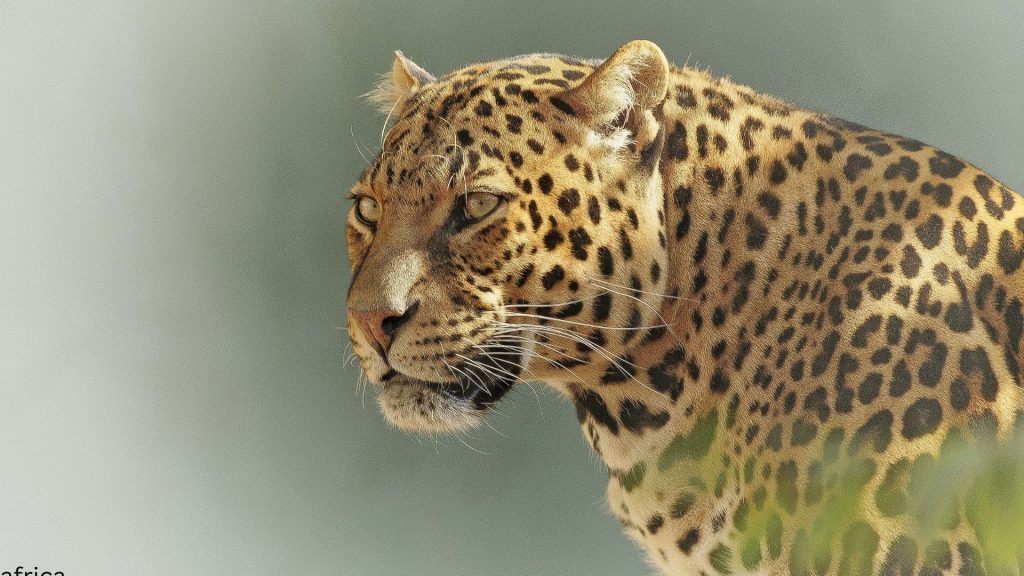
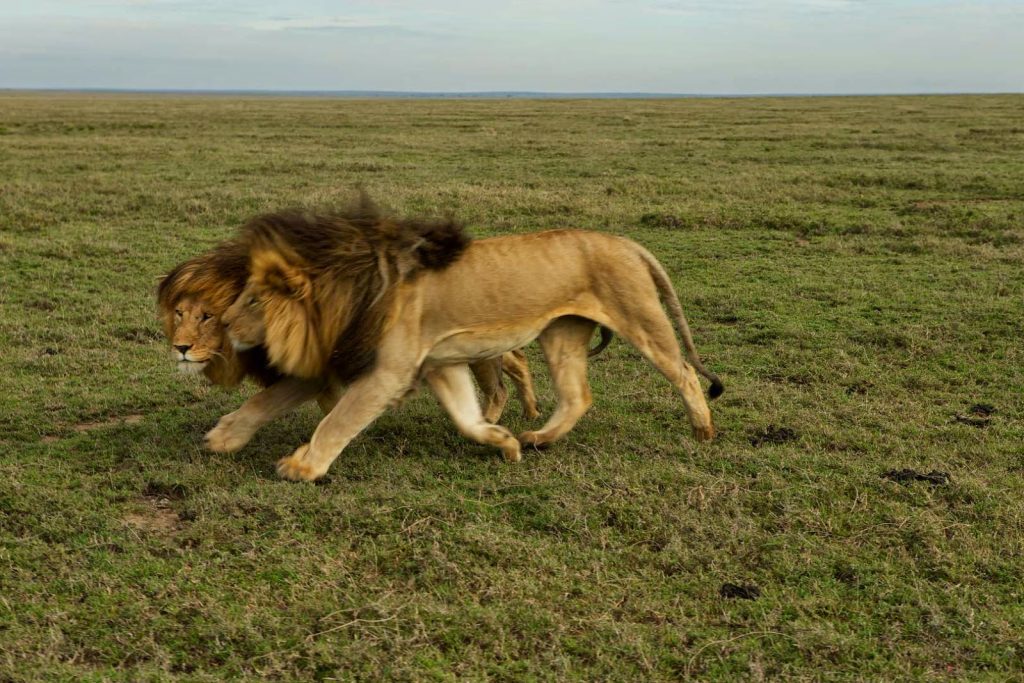
The Serengeti National Park covers 14,763 square kilometres of open savanna and is home to the most famous wildlife concentration in Africa. More than 4,000 lions, roughly 1,000 leopards, approximately 550 cheetahs, and the annual movement of over 1.35 million wildebeest make this the park most travellers come to Tanzania for. Entry costs USD 82.60 per adult per day as of 2026.
The park rewards patience. Your guide knows that the best sightings rarely happen at the first spot you stop. A Hindi speaking guide can keep that explanation interesting across a long morning, sharing stories about specific animal territories, describing what the vulture behaviour in the distance might indicate, and keeping the energy of the vehicle alive through the quieter stretches between sightings.
For travellers interested in the Great Wildebeest Migration, timing matters significantly. The calving season in February brings extraordinary predator activity on the southern plains near Ndutu. The Mara River crossings peak between July and October in the northern Serengeti. We brief every client on which phase their travel dates will capture before the itinerary is confirmed.
Ngorongoro Crater
The Ngorongoro Crater is a collapsed volcanic caldera roughly 260 square kilometres in size, holding around 25,000 large animals in a self contained ecosystem. It is the easiest park in Tanzania for guaranteed high density wildlife viewing, which makes it a natural fit for families and first time visitors. The crater floor holds lions, elephants, hippos, rhinos, zebras, and flamingos within a landscape that is genuinely dramatic from every angle.
The drive down the crater wall takes around twenty minutes. Once on the floor, the distances are short and the terrain is relatively flat, making it comfortable for elderly family members and young children alike. If your group includes grandparents or members with limited mobility, the Ngorongoro Crater is the park we prioritise. You can read more about how we plan for family groups of all ages in our Tanzania family safari guide.
Tarangire National Park
Tarangire is the park that consistently surprises clients who expected to be most impressed by the Serengeti. The elephant herds here are among the largest in East Africa. During the dry season from June through October, hundreds of elephants concentrate along the Tarangire River in groups that dwarf anything you are likely to see anywhere else on the continent. The ancient baobab trees scattered across the landscape are extraordinary in scale, some estimated to be over a thousand years old.
The drive from Arusha to Tarangire takes around two hours on sealed road, making it the most accessible park on the northern circuit and a natural starting point for most itineraries.
Lake Manyara National Park
Lake Manyara is a smaller park that punches well above its size in variety. The park is famous for its tree climbing lions, a behaviour seen reliably here but almost nowhere else, its flocks of flamingos on the alkaline lake shallows, and its dense groundwater forest that holds a completely different ecology from the open savanna parks. It works well as a half day or full day stop between Arusha and the Ngorongoro Crater, adding variety to the circuit without significantly increasing transfer times.
Dietary Requirements: Vegetarian and Jain Meals on Safari
This is one of the most common questions we receive from Indian travellers, and it is worth answering directly.
Tanzania’s safari lodges are not specifically designed for vegetarian or Jain diets. The standard menu at most camps is built around meat, and the default assumption in the industry is that guests eat everything. If you arrive without having communicated your requirements in advance, the kitchen will do its best but may not have the right ingredients.
We handle this differently. When we book accommodation for any Indian client group, we communicate dietary requirements to the lodge kitchen at the point of reservation, follow up in writing two weeks before arrival, and confirm again on the day of check in. This gives the kitchen time to source appropriate ingredients and prepare dishes that are actually satisfying rather than improvised.
For strict Jain requirements, including no root vegetables, no eating after sunset, and no cross contamination with meat preparation surfaces, we are honest with clients about which lodges can genuinely accommodate this and which cannot. Some remote bush camps have limited kitchen infrastructure. We would rather tell you which properties work and adjust the itinerary accordingly than promise accommodation that will disappoint.
Most lodges on the northern circuit can comfortably produce vegetarian meals of reasonable quality if notified in advance. For Jain requirements, the best positioned properties in our experience are typically the larger, well staffed lodges with dedicated chefs rather than the smaller boutique camps.
For a Zanzibar extension, Stone Town and the north coast resort areas have far more flexibility. Indian cuisine is part of the Zanzibar culinary heritage, and the island’s long history of trade with the Indian subcontinent means that vegetarian and Jain friendly food is genuinely available in the right restaurants and resorts.
Adding Zanzibar to Your Safari
Most Indian travellers combining a Tanzania safari with a beach extension choose Zanzibar, and the combination works very well. The island is a short flight from Kilimanjaro International Airport, the beaches on the north and east coast are exceptional, and Stone Town carries centuries of Indian, Arab, and African cultural history that resonates specifically with Indian visitors in a way it does not for all nationalities.
The spice tour, visiting plantations growing cloves, vanilla, cinnamon, cardamom, and black pepper, is a particular highlight for Indian travellers who recognise many of the spices from their own kitchens. The historical connection between Zanzibar and the Indian subcontinent is visible in the architecture, the food, and the family names of many Stone Town residents.
You can read more in our full trip to Tanzania and Zanzibar guide, which covers transport between the mainland and the island, accommodation options at different price points, and the best activities across both destinations.
Which Safari Style Is Right for Your Group
The right safari structure depends on who is travelling with you and what matters most to the group.
If you are travelling as a couple, whether for a honeymoon or a milestone trip, a private vehicle with a Hindi speaking guide gives you the full flexibility to set your own pace, spend longer at sightings that captivate you, and have a more personal experience with your guide. Our Tanzania honeymoon safari page covers the lodges and itinerary options we recommend for couples specifically.
If you are travelling as a multigenerational family, the key considerations are physical accessibility for older members, engagement for children, and dietary flexibility for vegetarian family members. We have managed family groups as large as fourteen people from India, spanning three generations, and the planning principles are consistent: fewer parks, more time per location, private vehicles throughout, and dietary requirements confirmed in writing at every property before arrival.
If you are a solo Hindi speaking traveller or a small group of friends, our group joining safari option places you with other travellers in a shared vehicle at a lower per person cost. Note that group joining vehicles may not always include a Hindi speaking guide, as the vehicle composition depends on who else has booked the departure. For a guaranteed Hindi speaking guide, a private booking is necessary.
Honest Tradeoffs to Consider Before Booking
We tell every Hindi speaking client the same things we tell every other client, because honesty about tradeoffs is part of how we plan trips that actually meet expectations.
The dry season from June through October delivers the best wildlife viewing conditions and the most reliable predator sightings, but it is also the busiest and most expensive period of the year. If your dates fall in this window and you want a popular lodge inside the Serengeti, book at least six months ahead.
The green season from November through May offers a completely different experience: lush green landscapes, lower prices, fewer vehicles in the parks, and the calving season on the southern plains in February. Some Indian families specifically prefer this window because their school holidays fall in December and January. The wildlife is excellent in both seasons, though the experience is different in character.
Tanzania is a significant distance from India. Most routings from Indian cities go through Nairobi, Addis Ababa, or Dubai before arriving at Kilimanjaro International Airport. A minimum of eleven to twelve hours of travel each way is realistic. We recommend building in at least one full recovery day in Arusha at the start of the trip before the first game drive, particularly for families with elderly members or young children.
What Does a Tanzania Hindi Speaking Safari Cost?
A Tanzania safari price depends on the length of the trip, the number of parks, the level of accommodation, and the group size. Here is a realistic planning range for 2026.
For a private 6 day northern circuit safari covering Tarangire, the Ngorongoro Crater, and the central Serengeti, with a Hindi speaking guide and mid range accommodation on a full board basis, expect to budget between USD 3,200 and USD 5,500 per person depending on group size. Costs per person reduce significantly as group size increases from two to four or six.
For a 9 or 10 day trip combining the northern circuit with three or four nights in Zanzibar, add approximately USD 800 to USD 1,500 per person for the Zanzibar segment, depending on the accommodation level chosen on the island.
Park entry fees are included in all Kiwoito Africa Safaris packages and not added as a separate surprise cost. The Serengeti entry fee of USD 82.60 per adult per day and Ngorongoro Conservation Area fee of the same amount are built into your package quote from the start.
For a more detailed breakdown, review our full Tanzania safari pricing guide, which covers what is and is not included in standard packages.
Frequently Asked Questions About Tanzania Safari with Hindi Speaking Guide
Do Kiwoito Africa Safaris guides speak Hindi fluently? Yes. Our Hindi speaking guides are fluent in Hindi as well as English and Swahili, and have experience guiding clients from India and the broader Hindi speaking diaspora. When you book a private safari and specify a Hindi speaking guide, your entire safari from airport pickup through to the last game drive will be led by that guide.
Can vegetarian and Jain meals be arranged at safari lodges? Vegetarian meals can be arranged at virtually all lodges on the northern circuit with advance notice, which we provide as part of the booking process. Strict Jain requirements, including no root vegetables and no post sunset eating, require more careful lodge selection. We will tell you honestly which properties can accommodate this properly and which cannot, and we adjust the itinerary accordingly.
Is Tanzania a good destination for Indian families travelling with children? Tanzania is excellent for families, including those with young children. The game drives are passive, the lodges are comfortable, and the wildlife density in parks like the Ngorongoro Crater means children see significant wildlife action without long drives to find it. We have a full guide on children on Tanzania safari covering age suitability, lodge selection, and practical tips for travelling with kids.
What is the best time for Indian travellers to visit Tanzania? The dry season from June through October is the best overall window for wildlife viewing. For Indian families with school schedules, December through February is also excellent, capturing the green season landscapes and the extraordinary calving season on the southern Serengeti plains in February. We advise against April and May for first time visitors, as the long rains make some roads difficult and the wildlife is more dispersed.
Do I need a visa to visit Tanzania from India? Yes. Indian nationals require a tourist visa to enter Tanzania. The visa costs USD 50 and can be obtained online through the official Tanzania e-visa portal before departure or on arrival at Kilimanjaro International Airport. We recommend applying online at least ten days before travel to avoid delays. Our full Tanzania tourist visa guide covers the application process step by step.
Can I combine a Tanzania safari with a Kilimanjaro climb? Yes, and a number of Indian travellers include a Kilimanjaro climb as part of their Tanzania itinerary, particularly younger travellers and those marking a significant birthday or life milestone. The standard routes on Kilimanjaro require no technical climbing experience. Our Kilimanjaro private climb guide covers routes, costs, and what to expect on the mountain.
How far is Arusha from Kilimanjaro International Airport? Kilimanjaro International Airport sits approximately 45 kilometres from Arusha city centre, a drive of around 45 minutes to one hour depending on traffic. We include airport pickup and drop off in all our safari packages, and your guide will be waiting in the arrivals hall with a name board as soon as you clear immigration.
Is it possible to add Maasai cultural visits to a Hindi speaking safari? Yes. Visits to Maasai villages are available as an add on to most northern circuit itineraries. Your Hindi speaking guide will provide context and interpretation throughout the visit, covering Maasai history, community structure, cattle culture, and the relationship between Maasai communities and the national parks that border their land. These visits can be arranged for a half day alongside a game drive or as a standalone cultural activity.
Why Book Your Hindi Speaking Tanzania Safari with Kiwoito Africa Safaris
Kiwoito Africa Safaris is a licensed Tanzanian operator based on Fire Road in Arusha, registered with the Tanzania Association of Tour Operators (TATO) and the Tanzania Tourist Board. We are 45 minutes from Kilimanjaro International Airport and have operated safaris for Indian and Hindi speaking clients for years.
Our safari vehicles are custom fitted Toyota Land Cruisers with pop up roofs, padded seating, USB charging, and a cooler box for cold drinks on game drives. We carry a maximum of six passengers per vehicle, which means every client has a window seat with full access to the roof opening. We do not overload vehicles.
When you book a private safari with a Hindi speaking guide, you travel exclusively with your own group for the full duration. Your guide, your vehicle, your schedule. The itinerary is built around what your group wants to see and how your group travels, not around a fixed product template.
We communicate with Indian clients in Hindi through WhatsApp throughout the planning process. Dietary requirements are documented in writing and confirmed with every property before your arrival. We flag anything we think you need to know before you travel, including health precautions, altitude considerations for the Ngorongoro Crater rim, and what to pack for your Tanzania safari.
Our TripAdvisor rating is 5.0 from over 200 verified reviews. Our Google rating is 4.9 from over 100 verified reviews. We welcome enquiries from prospective Hindi speaking clients who want to speak directly with someone who has planned their trip before committing to a booking.