Tanzania Safari With Korean Speaking Guide
Home » Tanzania Safari With Korean Speaking Guide
Introduction
In 2024, over 14,000 Korean travelers visited Tanzania. Most of them spoke little English. Yet they spent between five and twelve days inside national parks, trying to follow explanations about lion behavior, Maasai history, and volcanic geology in a language they did not fully understand. Some used translation apps. Others nodded politely and missed half the details. A few hired Korean speaking guides and later described the difference as night and day.
At Kiwoito Africa Safaris, we have watched this pattern repeat for years. We are a locally owned operator based in Arusha, and we keep a small team of Korean speaking safari guides on staff specifically for travelers who want to ask questions in their own language, read park signage aloud, and understand what the ranger is saying during a walking safari. This page explains exactly how our Korean guided safaris work, where we go, what they cost, and when we would honestly tell you to wait for a different season.
Why a Korean Speaking Guide Changes Everything on Safari
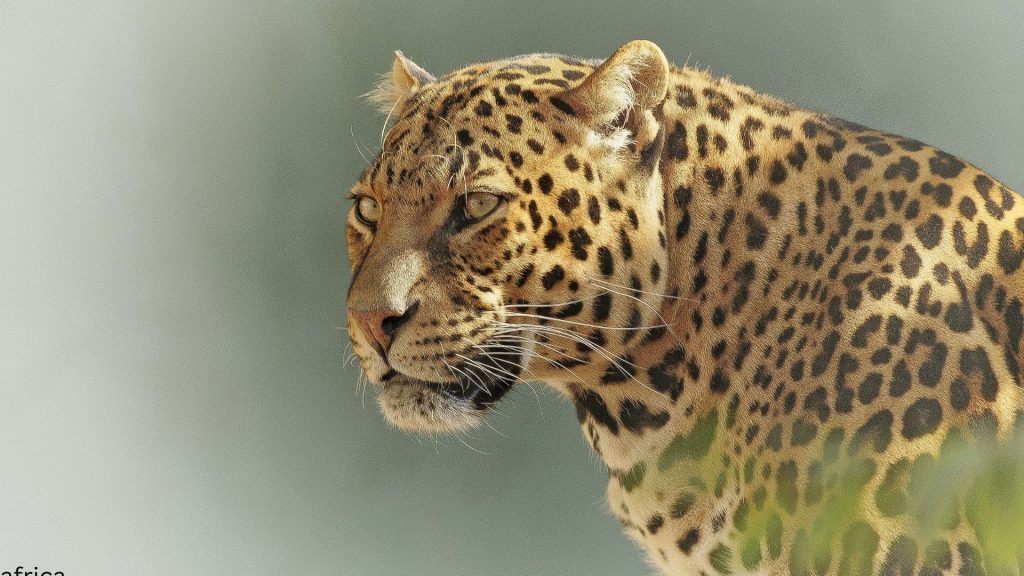
A safari is not a museum visit. You do not stand in front of a plaque and read facts at your own pace. You are inside a moving 4×4 vehicle, bouncing across dirt tracks, while your guide spots a leopard camouflaged in a sausage tree and explains in real time why the cat is resting there and not hunting. If you miss that explanation because of a language barrier, you miss the point of having a guide at all.
Our Korean speaking guides are fluent in Korean and professionally trained in wildlife biology, park regulations, and off road driving. They translate live commentary during game drives, clarify safety instructions before walking safaris, and handle lodge check ins when English-only staff are on duty. They also bridge cultural gaps. Korean travelers often have specific questions about the Maasai that do not translate cleanly into English, or they want to know the exact difference between a Thomson’s gazelle and a Grant’s gazelle. Our guides answer these without the awkward pause of a translation app.
Here is what changes when you book a Korean speaking guide with us:
-
You ask questions as they occur to you, not hours later at the lodge
-
You understand radio chatter between guides about wildlife sightings
-
You receive clear explanations of park rules, such as why vehicles must stay on designated tracks
-
You can discuss photography settings with someone who understands both Korean camera terminology and African light conditions
We do not subcontract these guides from third party agencies. They are our employees, based in Arusha, and they drive our vehicles. That matters because it means they know our maintenance schedules, our radio codes, and our lodge relationships.
Where We Take You: The Northern Circuit Parks
The Northern Circuit is Tanzania’s most established safari route. It covers four main parks within driving distance of Arusha, where our office sits. A typical Korean speaking safari with us runs five to eight days and covers two to four of these parks depending on your budget and interests.
Serengeti National Park
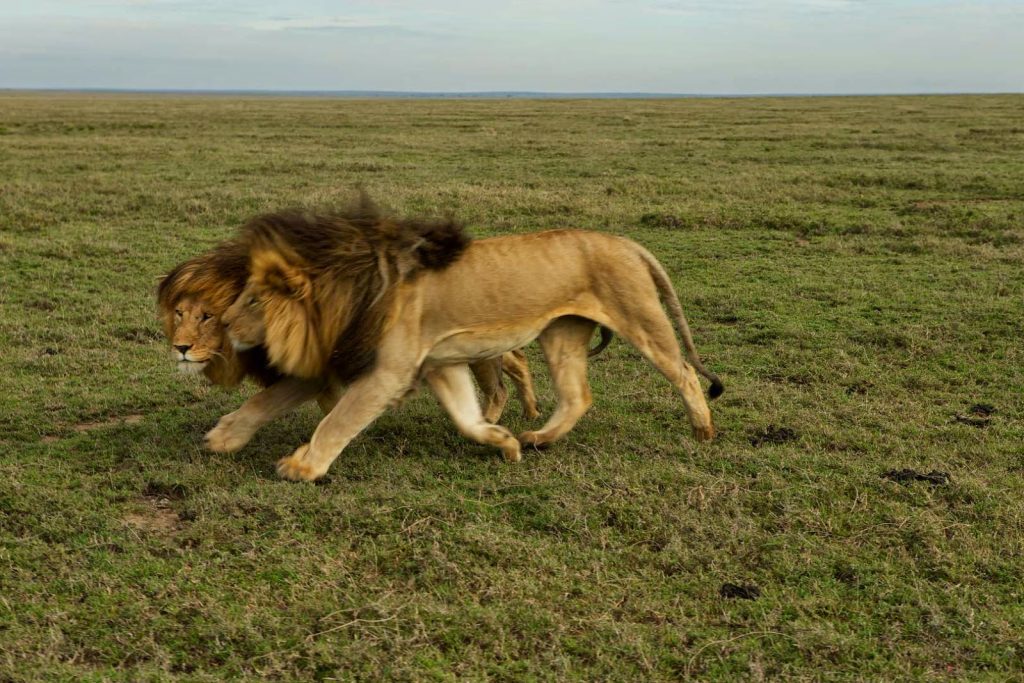
Serengeti is the reason most travelers book a Tanzania safari. The park spans 14,750 square kilometers of grassland, acacia woodland, and riverine forest. It hosts the largest terrestrial mammal migration on earth, with roughly 1.5 million wildebeest, 200,000 zebra, and 400,000 Thomson’s gazelle moving in a continuous loop between the southern plains, the western corridor, and the northern Mara River region.
Our Korean speaking guides know the Serengeti by region. They understand that the southern plains near Ndutu are best from January to March for Calving season, when predators concentrate around newborn wildebeest. They know that the western corridor around the Grumeti River sees crossings from May to July, and that the northern Kogatende area is where you position yourself for Mara River crossings between July and October. They also know that the central Seronera valley offers reliable big cat sightings year round, which is useful if your dates are fixed and you cannot chase the migration.
Park fees for Serengeti in 2026 are $83 per adult per day for non residents, plus an 18 percent VAT. If you stay inside the park at a lodge or tented camp, you also pay a concession fee of $71 per person per night. These fees are set by TANAPA and we pass them through at cost. We do not mark them up.
Ngorongoro Crater
Ngorongoro is not technically a national park. It is a conservation area managed by the Ngorongoro Conservation Area Authority. The crater itself is the world’s largest inactive volcanic caldera, measuring roughly 20 kilometers across and 600 meters deep. It contains an estimated 25,000 large mammals, including a small but visible population of black rhino that is difficult to find elsewhere in northern Tanzania.
The crater floor is where most game viewing happens. You descend early in the morning, spend six to eight hours on the floor, and ascend before the main gates close at 4:30 PM. Our Korean speaking guides handle the logistics of this descent carefully. They know which picnic sites allow lunch breaks, where the best hippo pools are, and how to time the drive to avoid the midday vehicle clusters near the Lerai Forest.
The fee structure here is different from Serengeti. You pay a conservation fee of $70.80 per adult per day, plus a crater service fee of $295 per vehicle per descent. For a private safari with two travelers, that means $141.60 in conservation fees plus $295 for the vehicle each time you enter the crater. If you stay two nights on the crater rim and descend twice, you pay the conservation fee twice and the vehicle fee twice. We explain this clearly in our quotes because it is a common source of confusion.
Tarangire National Park
Tarangire sits 120 kilometers southwest of Arusha, about a two hour drive on paved road followed by 30 minutes of dirt track. It is smaller than Serengeti and less famous, but it holds the highest elephant density in northern Tanzania. During the dry season from June to October, herds of several hundred elephants gather along the Tarangire River, which is the only permanent water source in the park.
Our Korean speaking guides often recommend Tarangire for travelers who want a quieter start to their safari before the intensity of Serengeti. The park is also excellent for birding, with over 550 species recorded, and the baobab trees that dot the landscape make for strong photography. Park fees are $59 per adult per day including VAT, which is lower than Serengeti and Ngorongoro.
Lake Manyara National Park
Lake Manyara is the smallest of the four main Northern Circuit parks, covering 330 square kilometers of which roughly two thirds is the lake itself. It is famous for tree climbing lions, though in our experience these are spotted less reliably than advertised. What Manyara does deliver consistently is dense forest elephant sightings, large baboon troops, and spectacular flamingo concentrations when water levels are right.
We typically use Manyara as a half day stop between Arusha and Ngorongoro, or as a final park before returning to Kilimanjaro International Airport. It is not a destination we would build an entire safari around, and we tell clients that honestly. If you have limited time, prioritize Serengeti and Ngorongoro. If you have six or more days, Manyara adds variety without adding much driving distance.
How to Choose the Right Safari Length and Style
Most Korean speaking safari bookings with us fall into three categories. Here is how we think about each one.
Five day safari: This is the minimum we recommend for a meaningful Northern Circuit experience. A typical five day itinerary runs Arusha to Tarangire, then Ngorongoro, then two full days in Serengeti, then back to Arusha by road or a domestic flight. You see the Big Five and you get a sense of the landscape, but you do not have time for slow mornings or extended walking safaris.
Seven day safari: This is our most popular option. It allows two nights in Serengeti, one night on the Ngorongoro crater rim, one night in Tarangire or Karatu, and a relaxed pace with shorter driving days. Seven days also gives you a buffer if weather delays a flight or a road is closed for maintenance.
Ten day safari plus Zanzibar: For travelers who want wildlife and beach time, we combine a seven day Northern Circuit safari with three nights on Zanzibar. The flight from Serengeti or Arusha to Zanzibar takes roughly two hours and costs between $200 and $350 per person depending on the season. Our Korean speaking guides do not accompany you to Zanzibar, but we arrange English speaking transfers and beach hotel staff who are accustomed to Korean guests.
Private versus shared: All our Korean speaking safaris are private. We do not offer group joining tours with Korean guides because the demand is too specific and the logistics too complicated. A private safari means your vehicle, your guide, and your schedule. It costs more per person than a shared group tour, but it is the only way we can guarantee a Korean speaking guide for the full duration.
When to Visit Tanzania: Honest Season Advice
We tell Korean travelers the truth about timing, even when it means advising them to delay their trip.
June to October: This is the dry season and the busiest period. Wildlife congregates around water sources, making animals easier to find. The grass is short, so visibility is better. However, lodges charge peak rates, Serengeti roads are dusty, and you will share sightings with dozens of other vehicles. If you want the migration river crossings in the northern Serengeti, July to October is the window, but book six months in advance.
November to February: The short rains fall in November and December, but they are intermittent and rarely disrupt game drives. January and February are excellent for the southern Serengeti calving season. This is a strong alternative to the peak dry season, with slightly lower lodge prices and fewer vehicles around Ngorongoro.
March to May: The long rains. Roads become muddy, some lodges close, and wildlife disperses into thicker vegetation. Park fees drop slightly for some parks, and lodge rates fall by 25 to 40 percent. If you are on a tight budget and do not mind occasional downpours, this is viable. But we warn Korean travelers that the Serengeti can be frustrating in April, with long grass hiding predators and some areas effectively inaccessible.
December 20 to January 5: Christmas and New Year. Lodges charge premium rates and minimum night stays apply. We recommend avoiding this window unless you have no flexibility, because the value drops significantly for the price you pay.
Why Travel with Kiwoito Africa Safaris
We are not a booking platform or a middleman. We are a locally registered tour operator based on Fire Road in Arusha, Tanzania, and we hold active membership with the Tanzania Association of Tour Operators, known as TATO. This means we are audited for financial stability, guide licensing, and vehicle safety standards.
Here is what that means in practical terms:
-
Our vehicles are owned, not rented. We service them in our own workshop in Arusha
-
Our Korean speaking guides are employees, not freelancers. They receive ongoing training in first aid, wildlife behavior, and customer service
-
Our office is reachable by phone at +255 769 222 238 during Tanzanian business hours, and we respond to emails within 12 hours
-
We have been operating since 2018 and we have a verified presence on Trustpilot and SafariBookings
We do not claim to be the cheapest operator in Arusha. We focus on private tours with professional guides, transparent pricing, and direct accountability. When something goes wrong, a vehicle breaks down, or a lodge loses your reservation, you call us and we fix it. There is no overseas booking agent to escalate through.
Plan Your Korean Speaking Safari with Us
If you are researching a Tanzania safari and you want the confidence of a guide who speaks your language, we are here to help. We do not pressure you to book immediately. Most Korean travelers who contact us are in research mode for two to three months before they commit, and we respect that.
Send us your preferred travel dates, the number of people in your group, and any specific parks or lodges you have read about. We will reply with a detailed itinerary and a line by line quote within 24 hours.