Tanzania and Kenya Private Safari
Home » Tanzania and Kenya Private Safari
Table of Contents
The phrase “mid range safari” has shifted meaning over the past five years. In 2018, a mid range Kenya safari meant a 3 star roadside lodge with hot water sometimes and a buffet dinner with five options. In 2026, mid range means a comfortable tented camp with ensuite bathrooms, a swimming pool, decent wine list, and an experience that would have cost USD 800 a night a decade ago for the same product. We are an Arusha based East Africa operator who runs Kenya safaris across budget, mid range, and luxury tiers with a long established Kenyan partner. The mid range tier is where most of our clients actually book, and it is where the value question is most interesting.
The honest answer to “what does Kenya mid range get me in 2026” depends on where the lodge sits, what month you travel, and how the operator structures the trip. Below is what is genuinely included at this tier, where the line sits between mid range and budget below it (or premium above it), and how to tell whether a particular operator’s “mid range” quote is the real product or a budget tier dressed up in better marketing.
What Kenya Mid Range Wildlife Safari Actually Means in 2026
The mid range tier in Kenya 2026 covers a specific range of products. Knowing what falls inside and outside the tier saves you from booking something the operator is willing to call mid range but isn’t.
Inside the mid range tier. Comfortable lodges or tented camps with ensuite bathrooms and reliable hot water. Swimming pools at most properties. Family rooms or interconnecting rooms available. Three meals a day, mostly buffet with some plated options at dinner. Private 4×4 Toyota Land Cruiser with pop up roof and your own driver guide for the trip. Park entry fees included in the quote.
Outside the tier (below). Group joining shared vehicles, basic 2 star lodges with shared bathrooms, public campsites. Anything where the operator wants to call it “mid range” but the vehicle holds six strangers and the lodge has a single shared shower block.
Outside the tier (above). Premium tented camps in private conservancies (Mara North, Olare Motorogi, Naboisho), which add walking safaris, night drives, off road driving, and cost roughly twice as much per night. The top tier conservancy properties (Saruni, Mara Plains, Angama Mara) are luxury, not mid range.
The honest watch out. Some operators sell mid range and quietly use the cheapest lodges within the tier on every single night. We use a mix: usually one stronger property on day three or four when clients have settled into the rhythm and notice the upgrade, and standard mid range on the other nights. This costs us slightly more in margin but produces a better trip arc.
The Lodges We Actually Use at Mid Range Tier
Specific names matter at this tier because the gap between the better mid range lodges and the weaker ones is wider than at any other tier.
Masai Mara
Sarova Mara Game Camp. Permanent tented camp with ensuite bathrooms, decent buffet, and a pool. About 30 minutes from the main reserve gate. Reliable choice for first time mid range travelers.
Mara Sopa Lodge. Slightly cheaper, more group friendly, larger property. Functional but feels like a hotel chain rather than a safari camp.
Sentrim Mara. Mid tier tented camp on the reserve boundary. Quieter than the Sopa style properties. Good food and friendly staff.
Honest admission about Mara mid range. The mid range lodges all sit outside the main reserve in conservation areas or buffer zones, which means a 20 to 40 minute drive to the gate every morning. That is the trade off you accept for the price tier.
Amboseli
Ol Tukai Lodge. The standard mid range pick. Inside the park, with rooms facing Mount Kilimanjaro. Pool, decent food, family rooms available. A property that has been a comfortable choice for 15+ years.
Sentrim Amboseli. Tented camp just outside the park gate. Less convenient location than Ol Tukai but solid mid range product.
Honest admission about Amboseli mid range. We do not put mid range clients at Amboseli Sopa unless specifically requested. The lodge is comfortable but the location adds a long drive into the park each morning, which eats into game drive time.
Lake Nakuru
Sarova Lion Hill. Inside the park, swimming pool, lake views from many rooms. The standard mid range option for Lake Nakuru.
Ol Pejeta Conservancy (Laikipia)
Sweetwaters Serena Camp. Permanent tented camp with ensuite bathrooms, swimming pool, and the famous chimpanzee sanctuary on the property. Mid range pricing for what feels like a premium product.
Lake Naivasha
Naivasha Sopa Resort or Lake Naivasha Sopa. Both work as mid range options for one night transit stops. Not destination lodges but functional for a single night break between the Mara and Nairobi or Amboseli.
Realistic Mid Range Itineraries
Standard shapes we run on the Kenya side at this tier.
5 day Kenya mid range wildlife safari. Three nights Masai Mara, one night Lake Naivasha, one night Nairobi. Drive based or fly in to the Mara depending on group size and budget. Cost per person sharing in 2026: USD 2,400 to USD 3,200.
7 day Kenya mid range wildlife safari. Three nights Mara, two nights Amboseli, one night Lake Naivasha or Lake Nakuru, one night Nairobi. The most balanced shape we sell. Cost per person sharing: USD 3,200 to USD 4,500.
9 day Kenya mid range wildlife safari plus beach. The 7 day shape plus a 2 night extension to Diani Beach. Adds a flight from Wilson Airport to Diani. Cost per person sharing: USD 4,200 to USD 5,800.
10 day combined Kenya and Tanzania mid range. Adds Tanzania’s northern circuit (Tarangire, Ngorongoro, Serengeti) at mid range tier on the Tanzania side. Our combined Kenya and Tanzania safari page covers the logistics. Cost per person sharing: USD 5,800 to USD 8,500.
How to Decide: Is Mid Range Right for You
Match the tier to what you actually want from the trip.
Mid range works if you want a comfortable real safari without luxury pricing. The lodges are good. The food is solid. The vehicle is private and your own. The wildlife is the same the luxury operators see. You are paying about half what a premium conservancy trip costs and getting probably 80% of the experience.
Mid range works for couples and small groups in their 30s to 60s. The most common demographic at this tier. Old enough to want comfort and reliability. Not yet at the life stage where ultra luxury feels worth it.
Mid range works for travelers who care more about wildlife than lodge architecture. If your priority is what is outside the vehicle (cheetahs, elephants, the Mara’s resident lion prides), mid range delivers everything premium does for game viewing.
Mid range is wrong if you specifically want walking safaris, night drives, or off road driving. These activities require a private conservancy lodge, which is one tier up. The mid range Mara lodges all sit outside the conservancy areas and cannot offer these activities legally.
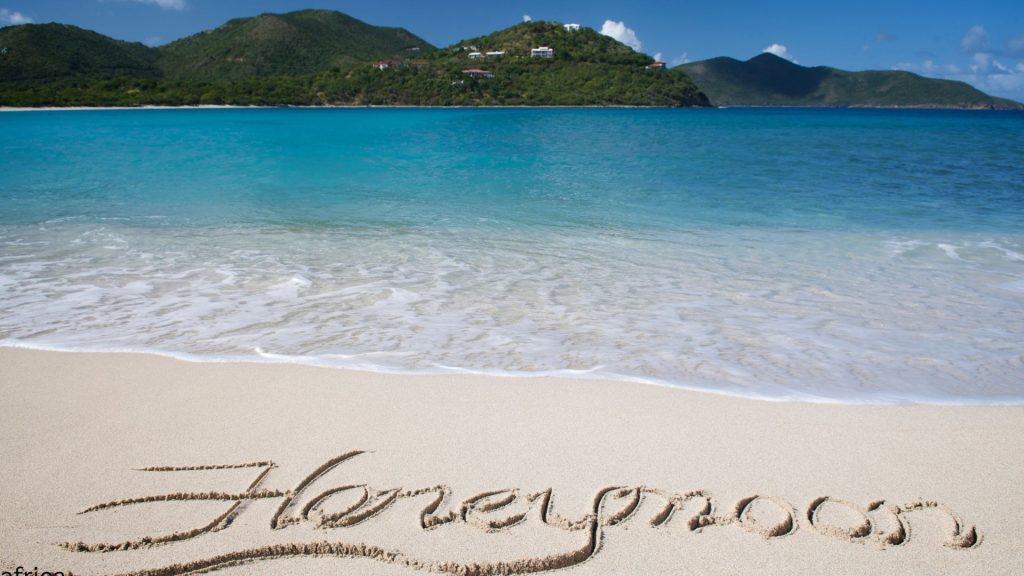
Mid range is wrong if you are honeymooning. Pay the upgrade for a conservancy property or top tier mid range. The romance budget should not be where you save money.
Mid range is wrong if your whole trip is just 3 days. The fixed costs (vehicle, guide, transfers) eat into a short trip’s economics. A 3 day group joining trip or a 5 day mid range trip work better than a 3 day mid range trip at the same lodge tier.
Why Travel With Kiwoito Africa Safaris
We are a TATO member operator (Tanzania Association of Tour Operators), licensed by the Tanzania Tourist Board and accredited by TANAPA. Our office is on Fire Road in Arusha, with 200+ verified five star reviews on Tripadvisor and listings on Trustpilot, Safaribookings, and Petit Futé.
For Kenya mid range wildlife safaris, we partner with a long established Kenyan operator we have worked with for years. Both legs of any combined Kenya and Tanzania trip are coordinated from our Arusha office, so you have one point of contact rather than two.
Our founder, Charles Moses, has worked in East Africa tourism for more than 15 years. Our team speaks English, French, Spanish, Italian, and German. Our Tanzania fleet is Toyota Land Cruiser 4x4s with pop up roof, guide hatch, three row seating with one window per guest, charging ports, drinks fridge, and air intake snorkel. Our Kenyan partner uses comparable vehicles. We do not run vehicles older than five years.
What we cover. Kenya mid range wildlife safaris, combined Kenya and Tanzania safari trips, our equivalent Tanzania mid range safaris, Mount Kilimanjaro climbs through our trekking operation, and Zanzibar Island beach extensions. For families specifically, see our Kenya family safari planning guide.
What we will not do. We do not put mid range clients in lodges that are technically “in the tier” but functionally below it. We do not pretend a budget safari is mid range. We do not push the lodges where we earn the most margin.
Ready to Plan Your 2026 Kenya Mid Range Safari
If you have a 2026 mid range Kenya trip in mind, the better mid range lodges fill up four to six months in advance for July to October. Booking 60 to 90 days out is normal for shoulder season; 30 to 60 days works in low season.
You can request a custom mid range safari quote and we will reply within 24 hours, usually faster, with a draft itinerary, current lodge availability, and an honest cost breakdown including park fees and what is and is not included. We are based in Arusha, on East Africa time (GMT+3).
Whatever you decide, get the lodge picks question answered before the price question. The difference between a good mid range trip and a frustrating one is which lodges the operator actually books, not the headline rate they advertise.
FAQs – Tanzania and Kenya Safari
Is it better to combine Tanzania and Kenya safaris?
Yes, combining both gives you access to the best parks and increases chances of seeing the Migration.
Do I need separate visas?
Yes, unless you use the East Africa Tourist Visa which covers both Kenya and Uganda plus Rwanda.
How do I travel between Tanzania and Kenya?
You can cross by land or take short flights between parks and cities.
What should I pack?
Light clothes for the day, warm layers for mornings and evenings, binoculars, and a camera.
How much does it cost to go to Tanzania and Kenya safari?
A combined Tanzania and Kenya safari usually costs between 4,000 and 8,000 USD per person for 10 to 14 days. The price depends on accommodation level, park fees, transfers, and whether you choose luxury lodges, mid-range camps, or budget options. Private safaris are more expensive than group safaris, while camping safaris are the most affordable.
Which safari is cheaper, Kenya or Tanzania?
Kenya safaris are generally cheaper than Tanzania safaris. Park fees in Tanzania are higher, and the Serengeti is larger, requiring longer drives and more fuel. Kenya also has more budget-friendly lodges and easier logistics from Nairobi.
Which month is best for Kenya and Tanzania?
The best time is from June to October when the weather is dry and wildlife viewing is excellent. July to September is ideal for witnessing the Great Migration river crossings in Serengeti and Maasai Mara. December to March is also a good time, especially for calving season in Southern Serengeti.
Which African country has the best safari?
Tanzania and Kenya are both among the best safari destinations. Tanzania is often praised for its vast landscapes, Serengeti, and Ngorongoro Crater, while Kenya is famous for the Maasai Mara and cultural experiences. Many travelers combine both countries to get the most complete safari experience.
Is Masai Mara or Serengeti better?
The Serengeti is larger and offers year-round wildlife, including the Great Migration for nine months. Maasai Mara is smaller but dense with wildlife and best for viewing dramatic river crossings between July and September. Both parks complement each other, which is why combined safaris are popular.
Which Tanzania safari is best?
The Serengeti and Ngorongoro Crater are the top choices. Tarangire and Lake Manyara also add variety, especially for elephants, birdlife, and unique landscapes. For off-the-beaten-path safaris, Selous and Ruaha in Southern Tanzania are excellent.
How many days is enough for a Kenya safari?
A Kenya safari needs at least 5 to 7 days to cover Maasai Mara, Amboseli, and one more destination like Lake Naivasha or Samburu. For a deeper experience, 8 to 10 days is ideal.
Why are safaris in Tanzania so expensive?
Tanzania has higher park fees, larger parks that require more fuel and logistics, and lodges that are often located deep inside remote areas. The government also limits mass tourism to preserve the natural environment, which keeps safari quality high but increases costs.