Wheelchair Accessible Kenya Safari
Home » Wheelchair Accessible Kenya Safari
Kenya is one of the more achievable safari destinations in Africa for travellers using a wheelchair. The roads are reasonable, the parks are well established, the lodges range from basic to genuinely accessible, and the wildlife in the Masai Mara, Amboseli, and Lake Nakuru is among the densest you will find anywhere. Done right, a Kenya safari for a wheelchair user can be one of the most rewarding trips of their life. Done wrong, it can be exhausting, undignified, and unsafe.
We are Kiwoito Africa Safaris, based in Arusha, Tanzania. We are honest about that upfront because it matters. We run Kenya safaris through trusted ground partners in Nairobi who we have worked with for years, and we coordinate the full trip from your first email through to the airport drop off at the end. We are not pretending to be a Nairobi based operator. We are a Tanzanian operator who built proper Kenya partnerships because clients kept asking us to combine the two countries or to do Kenya alone.
This page is what we actually tell families and travellers when they email asking whether a Kenya safari with a wheelchair user is possible. We will not oversell it. We will tell you which parks work best, which lodges have genuinely accessible rooms (not just a ramp at the entrance), and where the trip usually breaks down when families plan it themselves.
Is a Kenya Safari Realistic for a Wheelchair User?
Short answer: yes, for most wheelchair users, with the right planning.
Kenya has a meaningful advantage over many African safari destinations because of how the parks are set up. Game viewing happens almost entirely from inside a vehicle. You drive on park roads, animals come to the road or are visible from it, and you spend most of your day seated regardless of mobility. This is fundamentally different from a walking safari or a bush hike, both of which are difficult for wheelchair users without specialist setups.
What matters most for accessibility is therefore not the safari itself but the four moments around it: getting in and out of the vehicle, getting in and out of the lodge room, getting in and out of the bathroom, and getting through Nairobi and the domestic airports.
Get those four right and the rest of the trip is mostly comfortable.
Who This Trip Works For
We have planned wheelchair accessible Kenya safaris for travellers with:
- Lower limb paralysis including paraplegia
- Single or double leg amputations
- Spinal cord injuries with retained upper body function
- Multiple sclerosis at various stages
- Recovery from major orthopaedic injury or surgery
- Older travellers using a wheelchair due to general mobility decline
- Stroke recovery with one sided weakness
We have also turned trips down. We do not take clients whose treating physician has not signed off, who require oxygen support beyond what we can reliably stock, or whose medical complexity exceeds what a remote bush environment can manage.
If you are an independent wheelchair user with reasonable upper body strength, Kenya is very approachable. If you require full transfer assistance, the trip is still possible but takes more planning, more staff, and a more careful lodge selection.
Which Kenya Parks Work Best for Accessible Safaris
Kenya has many parks. Not all of them are equally suitable for a wheelchair user. Here is how the main accessible options actually compare.
Masai Mara National Reserve
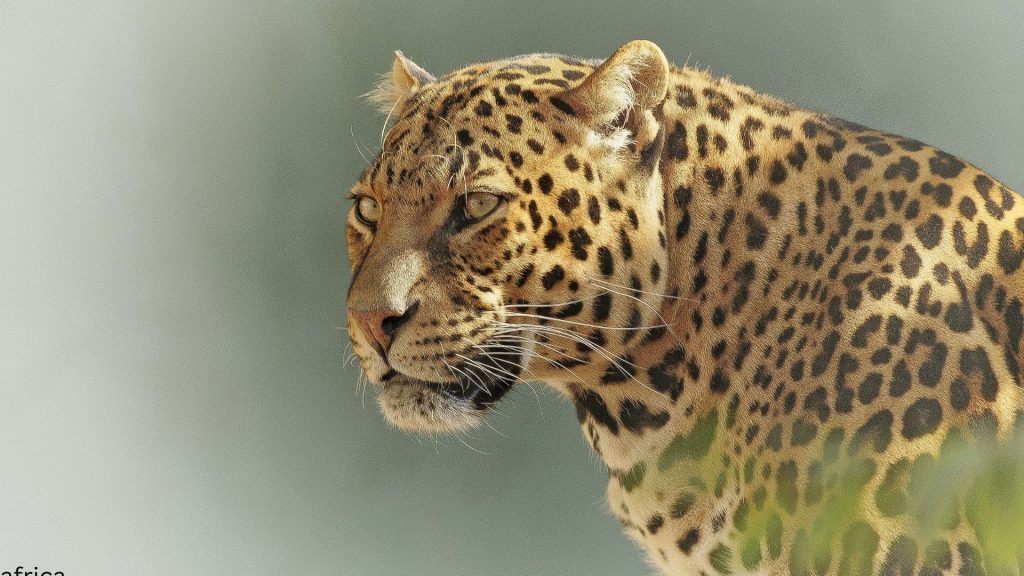
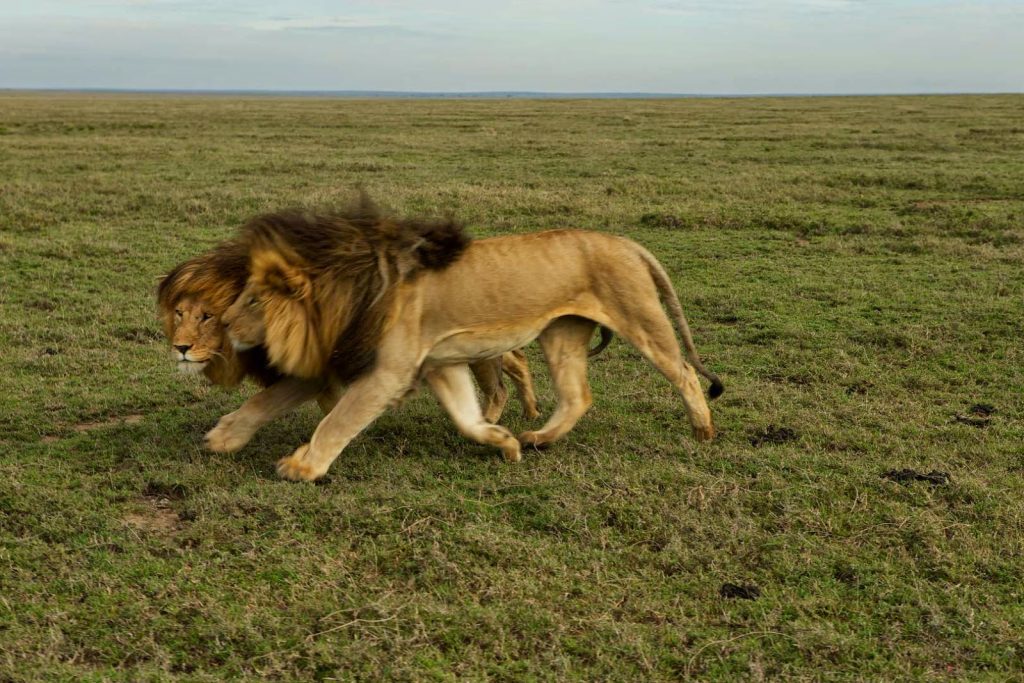
The Mara is Kenya’s wildlife showpiece. From late July through October, the wildebeest from the Serengeti cross the Mara River into Kenya, and predator activity is at its annual peak. Even outside migration season, the Mara has resident lion prides, leopards, cheetah, and excellent general game.
For wheelchair access, the Mara works because the main game viewing roads are graded and most lodges in the Mara conservancies (Olare Motorogi, Naboisho, Mara North) have made meaningful accessibility upgrades over the past decade. The reserve itself is more crowded than the conservancies, but the wildlife is genuinely spectacular.
Accessible lodge picks:
- Mara Serena Safari Lodge has rooms with roll in showers and step free access. Centrally located, large operation, dependable.
- Sarova Mara Game Camp has accessible tents on flat ground with adapted bathrooms.
- Basecamp Masai Mara has more limited accessibility but the staff have experience supporting mobility impaired guests and the lodge is on flat ground.
For higher end options, the Mara conservancy camps (Mara Plains, Saruni Mara) generally have more elevation changes and wooden walkways, which limits wheelchair access. We are honest about this with clients rather than pretending the high end automatically equals the most accessible.
Best for: travellers who want maximum wildlife density and the migration window in August and September.
Amboseli National Park
Amboseli is the elephant park. It also has the most photographed view of Mount Kilimanjaro from anywhere in Africa. The terrain is flat, the roads are mostly good, and several of the larger lodges have invested in accessibility.
For a wheelchair user, Amboseli is arguably the easiest Kenya park. The flat terrain means lodges can build properly accessible rooms without ramps onto stilts or platforms over uneven ground. The drives are short and the wildlife is concentrated.
Accessible lodge picks:
- Amboseli Serena Safari Lodge has accessible rooms with roll in showers and the building is single storey with paved pathways.
- Ol Tukai Lodge has accessible cottages with adapted bathrooms and a long history of welcoming mobility impaired guests.
- Sentrim Amboseli is a more affordable option with several ground floor rooms and a flat layout.
Best for: travellers prioritising elephants, a strong mountain backdrop, easier physical logistics, and shorter days.
Lake Nakuru National Park
Lake Nakuru is a smaller park around two and a half hours from Nairobi. It is famous for flamingos (numbers vary year to year depending on water levels), white rhino, and Rothschild’s giraffe. The park is small enough that you can see most of it in a single day.
For wheelchair users, Nakuru works as a one or two night addition rather than a main destination. The roads are decent, the lodges around the park have varying accessibility, and the proximity to Nairobi makes it logistically simple.
Accessible lodge picks:
- Lake Nakuru Lodge has ground floor rooms with adapted bathrooms.
- Sarova Lion Hill Lodge is built on a hill, which works against accessibility, but ground floor rooms exist for those who can be dropped off near the room block.
Best for: a short add on for travellers who want flamingos and rhino without committing to a long stay.
Nairobi National Park, Giraffe Centre, and Sheldrick Wildlife Trust
Most accessible Kenya safaris begin or end with one or two nights in Nairobi. The city has the most accessible hotels in the country, the airport is reasonably wheelchair friendly (more on that below), and there are three good half day activities that work well for wheelchair users:
- Nairobi National Park can be done as a half day game drive from a Nairobi hotel. Lions, rhino, giraffe, and the Nairobi skyline in the same frame.
- The David Sheldrick Wildlife Trust elephant orphanage is open to visitors for an hour each morning. The viewing area has flat access and is wheelchair manageable, though it gets crowded.
- The Giraffe Centre in Karen has step free access on the lower viewing platform and some access to the upper feeding deck depending on the wheelchair.
Accessible Nairobi hotels: Hemingways Nairobi, Eka Hotel, Crowne Plaza Nairobi, and Sankara Nairobi all have rooms classified as accessible. We confirm specifics for each booking because hotel definitions of accessible vary.
Parks We Generally Avoid for Wheelchair Safaris
Samburu, Laikipia, and Tsavo are spectacular parks but more difficult for accessible safaris. Samburu has rougher roads. Laikipia conservancies often have walking and horseback components and tented camps with limited accessibility. Tsavo is enormous and remote, which makes evacuation logistics harder. We will plan trips to these parks for wheelchair users when there is a strong specific reason, but we will not recommend them as the default.
The Vehicle Question
The vehicle is the single most important piece of equipment on an accessible Kenya safari. Get this wrong and the rest of the trip suffers.
For accessible Kenya safaris, our partners use modified Toyota Land Cruisers with the following adaptations:
- Side door wheelchair lift or ramp rather than expecting transfers up the high vehicle step
- Wheelchair tie down points so the chair stays secured during game drives on rough roads
- Captain’s chair option for travellers who prefer to transfer to a fixed seat for game drives
- Pop up roof for game viewing while remaining seated
- Charging points for power chair users
- Cool box and water as standard
- Two way radio for guide communication
Note that lift and ramp equipped safari vehicles are not common in Kenya. There are perhaps a few dozen of them across the entire industry. They book out months in advance for peak season. If you are planning a Mara migration trip in August or September, the vehicle needs to be reserved by January or February at the latest.
If you are bringing your own wheelchair, send us photos and dimensions during planning. Some power chairs are too wide for the vehicle door even with adaptations. Some manual chairs fold smaller than expected and travel well. We work this out before the trip rather than discovering it on day one.
Getting Through Nairobi and the Domestic Airports
Jomo Kenyatta International Airport in Nairobi is the main international gateway. It has wheelchair assistance services, accessible toilets in most terminals, and lifts between levels. The arrivals process for a wheelchair user is generally smooth if you have requested assistance with your airline in advance. Without that request, it can be slow.
Wilson Airport, the smaller domestic airport in Nairobi, is where most flights to the Masai Mara and Amboseli depart from. Wilson is much smaller and has limited accessibility infrastructure. The aircraft are small (Cessna Caravan or similar), and boarding involves climbing three or four steps into the plane. For most wheelchair users this means a transfer with assistance, with the chair travelling in the hold and waiting at the destination airstrip.
For travellers who cannot transfer up aircraft steps, the alternative is driving. Nairobi to the Masai Mara is around 5 to 6 hours by road. Nairobi to Amboseli is around 4 hours. The drives are long but doable in a properly modified vehicle with breaks.
We discuss the flight versus drive decision honestly with every client based on their specific situation.
Sample Itineraries That Actually Work
These are starting points. Every accessible safari we run is custom built around the specific traveller’s needs.
6 Day Accessible Kenya Highlights
The most common length we book for first time wheelchair Kenya safaris.
- Day 1: Arrive Nairobi, transfer to accessible hotel, rest.
- Day 2: Half day Nairobi National Park or Sheldrick visit, fly or drive to Amboseli in the afternoon.
- Days 3 and 4: Two full days in Amboseli with morning and afternoon game drives.
- Day 5: Fly or drive to the Masai Mara.
- Day 6: Full day in the Mara, evening flight back to Nairobi for international departure.
9 Day Accessible Kenya Safari
Our recommended length. Adds Lake Nakuru and gives more time in the Mara.
- Day 1: Arrive Nairobi.
- Day 2: Drive to Lake Nakuru, afternoon game drive.
- Day 3: Morning game drive at Nakuru, drive to the Mara via the Rift Valley.
- Days 4 and 5: Full days in the Masai Mara.
- Day 6: Fly or drive to Amboseli.
- Days 7 and 8: Full days in Amboseli.
- Day 9: Drive back to Nairobi or fly, international departure.
12 Day Accessible Kenya and Tanzania Combination
For travellers who want to see both countries. Typically Kenya first, then a road or charter flight crossing into Tanzania for the Serengeti and Ngorongoro.
- Days 1 to 6: Kenya as in the 6 day itinerary.
- Day 7: Cross to Tanzania via Isebania or fly to the Serengeti.
- Days 8 to 11: Serengeti and Ngorongoro with accessible lodges.
- Day 12: Depart from Kilimanjaro Airport.
Family or Companion Group Safari
Most of our accessible Kenya safaris include family or friends travelling alongside the wheelchair user. Group sizes of three to six work well in a single modified vehicle. Larger groups may need a second vehicle alongside.
What It Costs
Accessible Kenya safaris cost more than standard Kenya safaris. We will not pretend otherwise. The cost difference comes from three places: the modified vehicle (premium over standard rates), the accessible lodges (often the larger and more expensive properties because the small intimate camps tend to have less accessible infrastructure), and the additional planning time required.
For a frame of reference, accessible Kenya safaris in 2026 typically run roughly 30 to 60 percent above the equivalent standard safari at the same lodge level. The exact uplift depends on group size, vehicle requirements, and how flexible the dates are.
Park fees in Kenya are charged in USD and add roughly USD 80 to 100 per person per day depending on the park. The Masai Mara reserve fees and conservancy fees are charged separately if you stay in a conservancy. We always quote these openly so the breakdown is clear.
If a quoted accessible safari feels suspiciously cheap, ask the operator the following three questions:
- Is the vehicle a modified accessible vehicle, or a standard safari vehicle?
- Have the staff at the proposed lodges actually been confirmed as available and aware of accessibility requirements for these specific dates?
- Who is the on the ground coordinator if something goes wrong, and what is their phone number?
The answers tend to clarify the difference between a real accessible safari and a brochure version.
Best Time of Year for an Accessible Kenya Safari
The Kenya safari seasons overlap with the standard wildlife calendar. For accessibility specifically, dry season is significantly easier than wet season because muddy roads compound every other logistical challenge.
- June to October. The long dry season. Mara migration crossings from late July through early October. This is the most popular window and books out earliest. Best wildlife, most expensive, busiest parks.
- January to early March. The short dry window after the short rains. Warm, generally dry, calving season for resident wildebeest. A strong second choice with fewer crowds than peak season.
- April and May. The long rains. We do not recommend this window for accessible safaris. Roads become difficult, some lodges close, and wheelchair logistics become harder than they need to be.
- November. Short rains begin. Lower prices, occasional storms. Workable if budget is the priority.
What We Need From You to Plan the Trip
If you are seriously considering this, here is what to send us in your first email:
- The traveller’s age, weight, and primary mobility condition
- A short summary of mobility (independent wheelchair user, transfer ability, upper body strength, continence considerations)
- Any cardiac, pulmonary, or recent medical history
- The treating physician’s contact details, with permission for us to consult them if needed
- The wheelchair type and dimensions, with photos if possible
- Approximate target dates and any flexibility around them
- The size of the travelling group and whether anyone is also a primary caregiver
- Any previous travel experience to remote destinations
We will review and come back with realistic options, suggested parks, lodge recommendations, vehicle plan, and a clear quote.