Affordable Kenya Safari
Home » Affordable Kenya Safari
Overview
January 2024, Kenya Wildlife Service doubled park fees across the country. The Masai Mara, which used to cost $80 per day, now charges $100 during low season and $200 during peak season. A three day safari that cost $900 in 2023 suddenly cost $1,500 or more. Travelers who had saved for years called us in panic. They still wanted to see lions in the Mara and elephants in Amboseli, but the math no longer worked.
At Kiwoito Africa Safaris, we are based in Arusha, Tanzania, and we have been organizing affordable Kenya safaris since 2018. We are not a Nairobi booking office. We coordinate Kenya trips through our network of licensed Kenyan driver guides, vehicles, and camps, while handling your planning from our Arusha base. This page explains exactly how to build an affordable Kenya safari in 2026, which parks give you the best value for money, and where we would honestly tell you to spend less or skip entirely.
How Kenya Safari Pricing Works in 2026
Park fees now eat roughly 30 percent of any Kenya safari budget. Understanding the new fee structure is the first step to planning an affordable trip.
The Masai Mara National Reserve charges non resident adults $100 per day during low season, which runs January through June, and $200 per day during high season, which runs July through December. Children aged 9 to 17 pay $50 year round. Children under 9 enter free. These are 12 hour tickets, valid from 6:00 AM to 6:00 PM. If you stay overnight inside the reserve, you get 24 hour validity. If you exit after 6:00 PM, you pay again the next day.
Amboseli National Park charges $94 per day during low season and $118 during high season. Lake Nakuru National Park matches Amboseli at $94 and $118. Tsavo East and West National Parks are cheaper, at $41 during low season and $61 during high season. Nairobi National Park, despite being inside the city limits, charges $51 during low season and $118 during high season.
Vehicle fees are separate. A standard safari van or 4×4 pays an additional fee based on seating capacity, usually around $12 per day. Camping inside public campsites costs $30 per adult per night for non residents. Private campsites charge $40 per adult per night.
Here is what this means in practical terms. A four day Masai Mara safari during peak season, with two adults sharing a vehicle and staying at a budget camp outside the reserve, costs roughly $1,600 per person in park fees alone. During low season, that same trip drops to roughly $800 per person in fees. The difference is not subtle. If your budget is tight, low season travel is the single biggest lever you can pull.
Which Parks Offer the Best Value for Money
Not every Kenyan park justifies its fee. We rank them honestly for budget travelers.
Masai Mara National Reserve
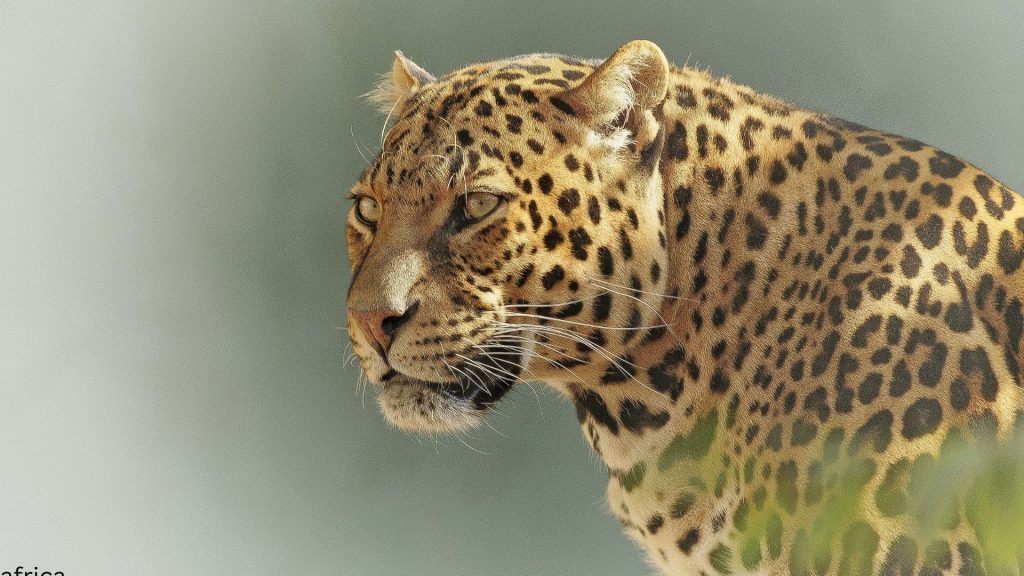
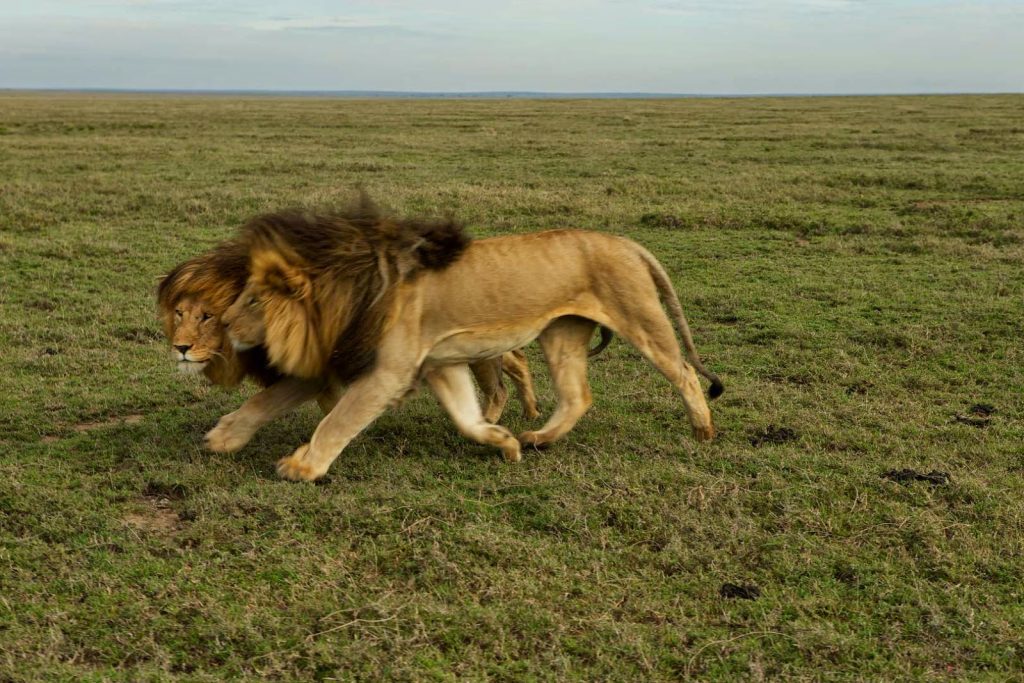
The Mara is the most expensive park in Kenya. It is also the most rewarding. The density of big cats, the open grassland that makes photography easy, and the wildebeest migration between July and October make it worth the price for most first time visitors. But if you are on a strict budget, we recommend limiting your Mara time to two or three full days rather than stretching to five. Two days gives you four game drives, which is usually enough for lion, leopard, and cheetah sightings. Three days gives you a buffer if weather cuts one drive short.
We also recommend staying outside the reserve boundary rather than inside. Camps like Mara Explorers Camp, Enkhoro Wildlife Camp, and Lenchada Tourist Camp charge $60 to $120 per person per night on a full board basis. They sit five to fifteen minutes from the Sekenani or Talek gates. You do not get the 5:00 AM head start of a camp inside the reserve, but you save $50 to $100 per night on accommodation and you avoid the higher concession fees that inside camps pass through.
Amboseli National Park
Amboseli is our second recommendation for affordable safaris. The park sits at the foot of Mount Kilimanjaro, and the elephant herds here are the most photographed in Africa. Park fees are lower than the Mara, and the driving distance from Nairobi is shorter, which saves on fuel costs. A three day Amboseli trip costs roughly 40 percent less than a three day Mara trip.
The tradeoff is species diversity. Amboseli is excellent for elephants, buffalo, and plains game, but leopard and rhino sightings are rare. If your goal is the Big Five in one park, the Mara is still the better bet. If you love elephants and want Kilimanjaro as a backdrop, Amboseli is unbeatable for the price.
Lake Nakuru National Park
Lake Nakuru works best as a stopover between the Mara and Amboseli, or as a standalone two day trip from Nairobi. The park is famous for flamingos, though their numbers fluctuate with water levels and they are not guaranteed. What is reliable is the rhino sanctuary. Nakuru has both black and white rhino, and sightings are more consistent here than in the Mara.
At $94 to $118 per day, Nakuru is mid priced. We typically include it on a six or seven day itinerary that combines Mara, Nakuru, and Amboseli. On its own, it is not worth a long drive unless you are specifically chasing rhino or bird photography.
Tsavo East and Tsavo West National Parks
Tsavo is the largest park complex in Kenya, covering over 20,000 square kilometers combined. It is also the cheapest at $41 to $61 per day. The landscape is scrubbier and more open than the Mara, which makes wildlife harder to spot. But the red dust elephants of Tsavo East are iconic, and the lava flows and Mzima Springs of Tsavo West offer geological variety that the Mara cannot match.
We recommend Tsavo for travelers who have already done the Mara and want something different, or for those on very tight budgets who need to keep park fees low. A five day Tsavo safari costs roughly the same as a three day Mara safari.
Nairobi National Park
Nairobi National Park is unique because it sits seven kilometers from the city center. You can see lion, rhino, giraffe, and zebra with the Nairobi skyline behind them. At $51 to $118 per day, it is not cheap for what it is, but it works as a half day or full day add on if you have a long layover in Nairobi. We do not recommend building a multi day safari around it. The park is small, the vehicle traffic is high, and the experience feels compressed compared to the Mara or Amboseli.
Lake Naivasha and Hell’s Gate National Park
These are not traditional big game parks, but they are excellent value. Hell’s Gate allows cycling and walking safaris, which most Kenyan parks do not. Lake Naivasha offers boat rides among hippos and fish eagles. Combined, they make a good two day extension from Nairobi at very low cost. We often add them to itineraries for travelers who want variety without paying Mara level fees.
How to Choose the Right Safari Length and Style
Most affordable Kenya safari bookings with us fall into four categories. Here is how we think about each one.
Three day Masai Mara group joining safari: This is our most affordable option. You join a shared safari van or 4×4 with up to seven other travelers. You stay at a budget tented camp outside the reserve, eat buffet meals, and do two to three game drives per day. Prices range from $350 to $500 per person depending on the season. The downside is fixed departure dates, less flexibility on timing, and shared space with strangers. The upside is that you see the Mara for roughly one third the cost of a private tour.
Four day Masai Mara private budget safari: This uses the same budget camps as the group option, but you get a private vehicle and driver guide. Prices range from $800 to $1,200 per person during low season, and $1,400 to $1,800 during high season. The vehicle is usually a safari van rather than a Land Cruiser, which saves fuel and rental costs. We recommend this for couples or small families who want flexibility but cannot afford mid range lodges.
Seven day Mara, Nakuru, and Amboseli shared safari: This is the classic Kenya circuit. You spend three days in the Mara, one day at Lake Nakuru, and two days in Amboseli, with travel days in between. Shared tours run $1,300 to $1,700 per person. Private versions run $2,200 to $3,000 per person. The shared option is excellent value if you do not mind the longer drives between parks.
Ten day Kenya and Tanzania combined safari: For travelers who want both countries, we run combined itineraries that start in Nairobi, cover the Mara and Amboseli, cross into Tanzania at the Namanga or Isebania border, and continue to Serengeti, Ngorongoro, and Tarangire. These start at roughly $1,900 per person for budget camping and shared transport, and climb to $4,500 for private mid range tours. The border crossing adds a full day of driving and paperwork, but you avoid paying for two separate international flights.
What an Affordable Kenya Safari Costs in 2026
We believe in itemized pricing. Here is a realistic breakdown of what an affordable Kenya safari costs per person, based on two adults sharing.
Budget three day Masai Mara group safari: $350 to $500 per person. This includes shared transport from Nairobi, budget tented camp accommodation with shared bathroom facilities, full board meals, park entry fees, and game drives with a driver guide. It does not include tips, drinks, or the hot air balloon ride, which costs $450 to $500 per person.
Budget four day Masai Mara private safari: $800 to $1,200 per person during low season. This includes private safari van transport, budget camp accommodation, full board meals, park fees, and a private driver guide. During high season, the same trip costs $1,400 to $1,800 per person because park fees double.
Mid range seven day Kenya circuit private safari: $2,500 to $3,500 per person during low season. This upgrades the vehicle to a Toyota Land Cruiser 4×4 with a pop up roof, moves accommodation to mid range lodges like Amboseli Serena or Mara Sopa Lodge, and includes all park fees, meals, and transfers. During high season, expect $3,500 to $4,800 per person.
Budget camping ten day Kenya and Tanzania combined safari: $1,900 to $2,400 per person. This uses public campsites, shared transport, and a cook who prepares meals. It is physically demanding, with basic shared bathrooms and no electricity during the day. But it is the cheapest way to see both the Mara and the Serengeti in one trip.
What is not included in any of these packages:
- International flights to Jomo Kenyatta International Airport in Nairobi
- Travel insurance
- Kenya visa fees, currently $51 for most nationalities
- Alcoholic drinks at lodges and camps
- Tips for guides and camp staff. We recommend $10 to $15 per day for your driver guide, and $5 per day for camp staff pooled
- Personal items like sunscreen, insect repellent, and camera batteries
We do not quote headline prices and then add fees later. When we send a quote, every park fee, every camp night, and every fuel surcharge is listed. If you want to upgrade a camp or add a flight, we recalculate and send a revised quote within 24 hours.
When to Visit Kenya for the Best Value
We tell budget travelers the truth about timing, even when it means advising them to delay.
January to June: This is the low season for most Kenyan parks except the Mara, which is low season until June but still excellent for wildlife. Lodge rates drop by 25 to 40 percent. The landscape is greener, which makes photography more vivid. The downside is that grass is taller, which can hide predators. The upside is that you pay half the park fees of peak season, and lodges are emptier.
March to May: The long rains. Roads in the Mara can become muddy and some budget camps close for maintenance. Amboseli is more reliable during this period because the roads are better. If you are on a tight budget and flexible about where you go, this is the cheapest window. But we warn travelers that the Mara can be frustrating in April, with long grass and occasional flooding in the Talek River area.
July to October: Peak season. The wildebeest migration crosses the Mara River, predator action is at its highest, and every lodge charges top rates. Park fees are double. If you have your heart set on the migration, this is the window, but you need to book four to six months ahead and expect to pay premium prices. For budget travelers, we often suggest September rather than July or August. The migration is still active, but lodge rates begin to soften slightly.
November to December: The short rains. This is a hidden value window. Grass is short after the dry season, wildlife is concentrated around water, and lodge rates drop before the Christmas spike. We recommend mid November to early December for budget travelers who want good sightings without peak season prices.
December 20 to January 5: Christmas and New Year. Lodges charge premium rates and minimum night stays apply. We recommend avoiding this window unless you have no flexibility. The value drops significantly for the price you pay, and the Mara is crowded with holiday travelers.
Honest Tradeoffs We Tell Our Clients
Real operators admit when something is not worth it. Here are the tradeoffs we discuss with every budget traveler who contacts us.
The two day Mara trip is rarely worth it. A two day safari from Nairobi means you spend six to seven hours driving each way, arrive late on day one, squeeze in one short game drive, sleep, do one morning drive on day two, and drive back to Nairobi. You pay for two days of park fees but get roughly one day of actual wildlife viewing. We do not offer two day Mara trips because we do not believe they deliver value. Three days is the minimum we recommend.
Shared safari vans versus Land Cruisers. Most budget operators use safari vans, which are converted Toyota Hiace minibuses with pop up roofs. They cost less to rent and use less fuel. They are fine on the main Mara roads but struggle in mud. Land Cruisers are more comfortable, more stable, and better for photography because the roof opens higher. If your budget allows, the upgrade to a Land Cruiser is worth it. If it does not, a van is perfectly adequate during dry season.
Inside the reserve versus outside. Camps inside the Masai Mara reserve charge $150 to $400 per night and add concession fees. Camps outside charge $60 to $120 per night. The inside camps let you start game drives at 5:30 AM before the gates open to outside vehicles. That early hour is magical and improves your chances of finding cats before they sleep. But it costs $100 to $200 more per night. For a first safari, we usually recommend outside camps. For photographers or second time visitors, we recommend inside.
Self drive is not cheaper. Some travelers ask about renting a car and driving themselves to save money. In Kenya, self drive safaris are complicated. You need a 4×4, park permits, and local knowledge of where animals congregate. A missed turn in the Mara can cost you an hour. A flat tire on a remote track can cost you a morning. By the time you add rental, fuel, insurance, and park fees, you rarely save money compared to a group joining tour. We do not recommend self drive for first time visitors.
Why Travel with Kiwoito Africa Safaris
We are not a Nairobi booking platform. We are a locally registered tour operator based on Fire Road in Arusha, Tanzania, and we hold active membership with the Tanzania Association of Tour Operators, known as TATO. We have been operating since 2018 and we maintain a verified presence on Trustpilot and SafariBookings.
Here is what that means when you book a Kenya safari with us:
- We work with the same Kenyan driver guides and camps year after year. We do not rotate random freelancers
- Our quotes are itemized. You see every park fee, every camp night, and every fuel surcharge
- We handle combined Kenya and Tanzania trips without handing you off to a separate company at the border
- If something goes wrong, a vehicle breaks down, or a camp loses your reservation, we fix it. There is no overseas booking agent to escalate through
We do not claim to be the cheapest operator in East Africa. If you are looking for a $200 safari with 20 other travelers in a broken van, we are not the right fit. We focus on transparent pricing, reliable vehicles, and guides who know the parks well enough to find wildlife even when the radio is quiet.
Plan Your Affordable Kenya Safari with Us
If you are researching a Kenya safari and you want an honest breakdown of what it costs, we are here to help. We do not pressure you to book immediately. Most travelers who contact us are in research mode for two to three months before they commit, and we respect that.
Send us your preferred travel dates, the number of people in your group, and any specific parks or camps you have read about. We will reply with a detailed itinerary and a line by line quote within 24 hours.